Operation Hours:09:00~18:00

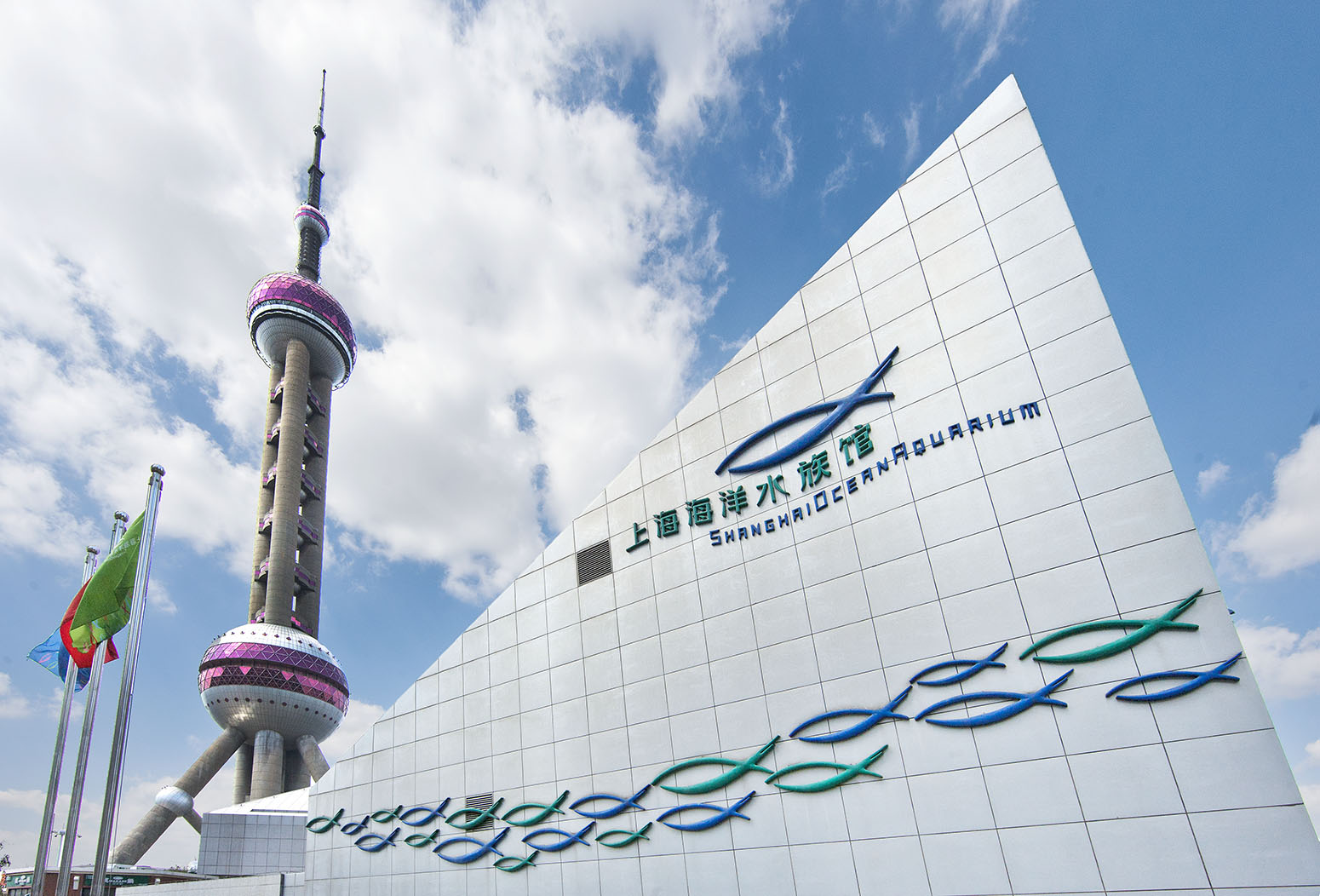
Shanghai Ocean Aquarium (“SOA”)

视频
Operation Hours
  • 09:00

    Opening Time

  • 17:30

    Ticket Sales Suspended

  • 18:00

    Closing Time

1388 Lujiazui Ring Road, Pudong New Area, Shanghai 200120, China

What's Happening

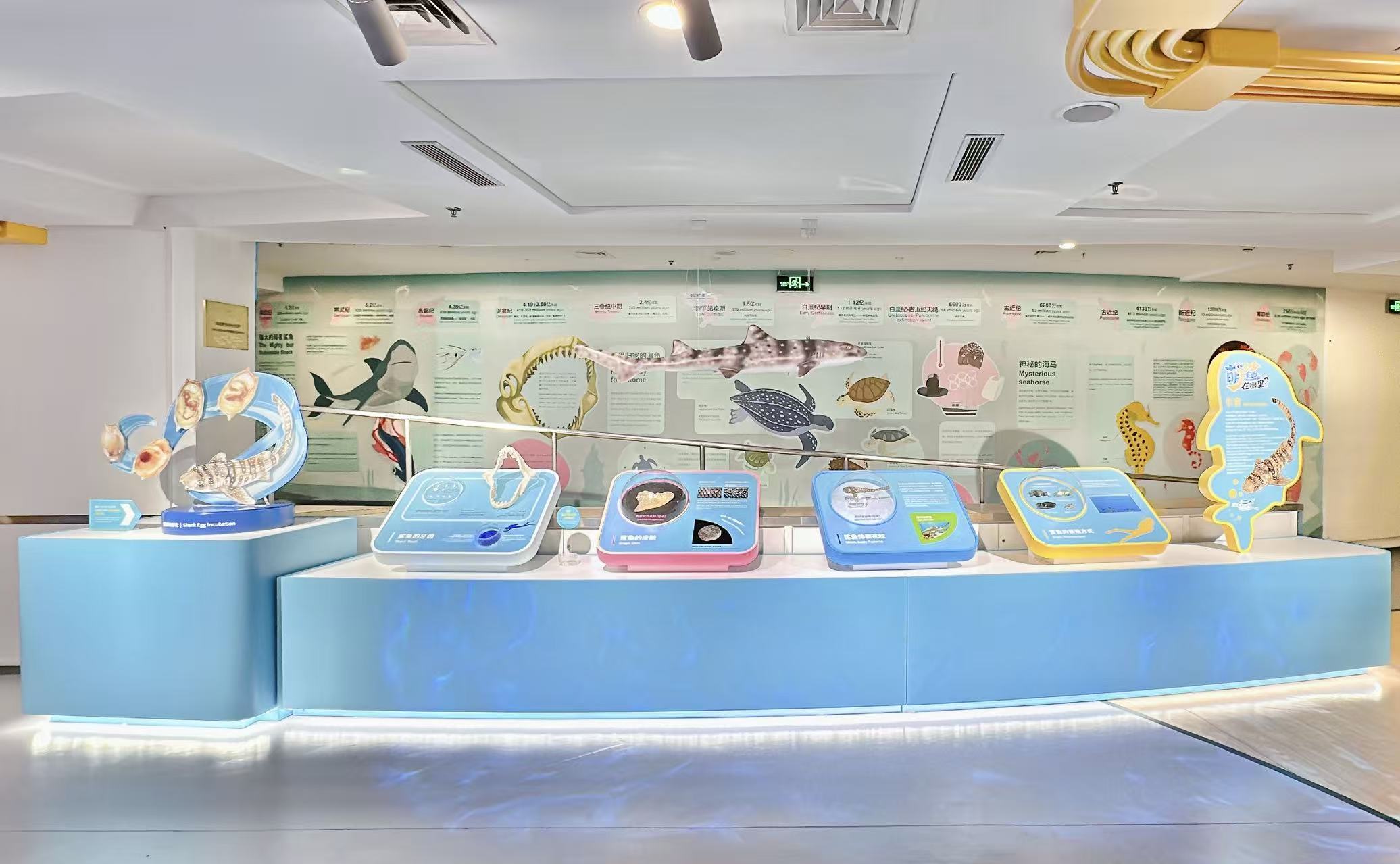
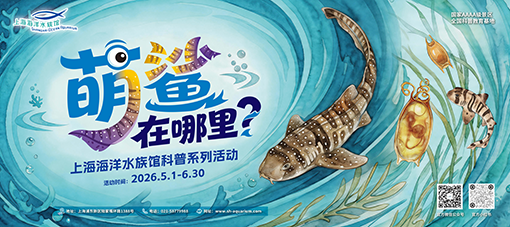
Where Are the Mini Sharks? Special Marine Science Program, Dive Into the Enchanting World of Miniature Sharks with Us!

Event Period:2025-05-01~06-30

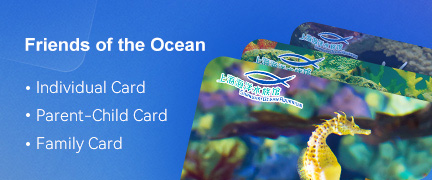
SOA Membership Card

Unlimited Entry into the Aquarium for One Year

Specially catered to both individual aquarium lovers and families…
Recent Activities All Events
333333.jpg
Exhibition Preview

Where Are the Mini Sharks? Special Marine Science Program, Dive Into the Enchanting World of Miniature Sharks with Us!

Sharks are not all ferocious apex predators lined with razor-sharp teeth. Some are diminutive and irresistibly cute; others traverse the seafloor by “walking” on their pectoral fins. Certain species hatch from spiral egg capsules nicknamed “mermaid’s purses”, while others give live birth to fully developed shark pups that look like tiny carbon copies of adult sharks...

Explore More
Feeding Sessions
The aquarium offers five interactive feeding sessions throughout the day, providing nutritionally balanced food tailored to the natural feeding habits of each species, helping to support their health and well-being.
Visitor Reminder:The aquarium follows a one-way visiting route. Please plan your time accordingly.
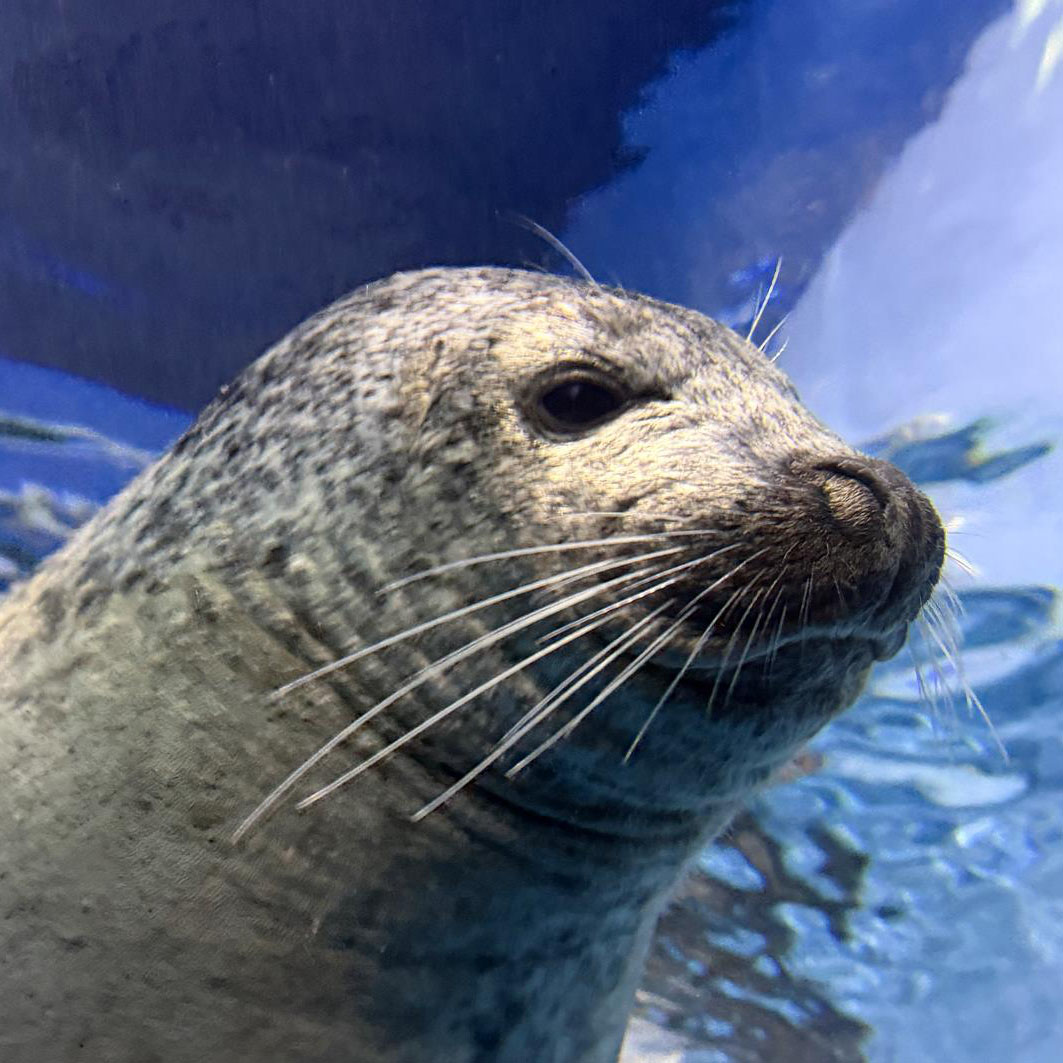
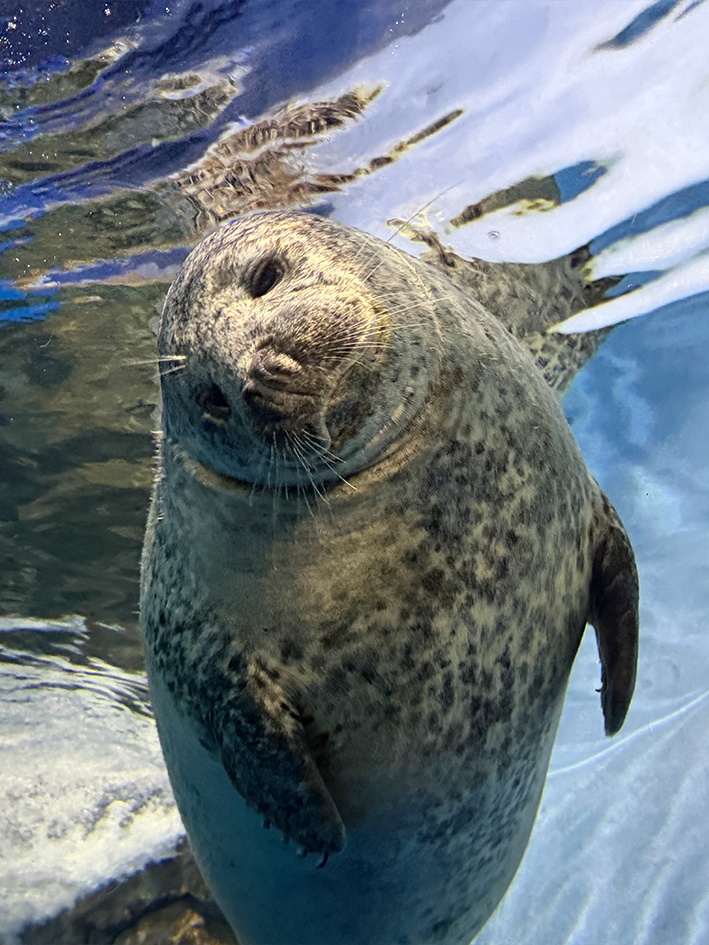
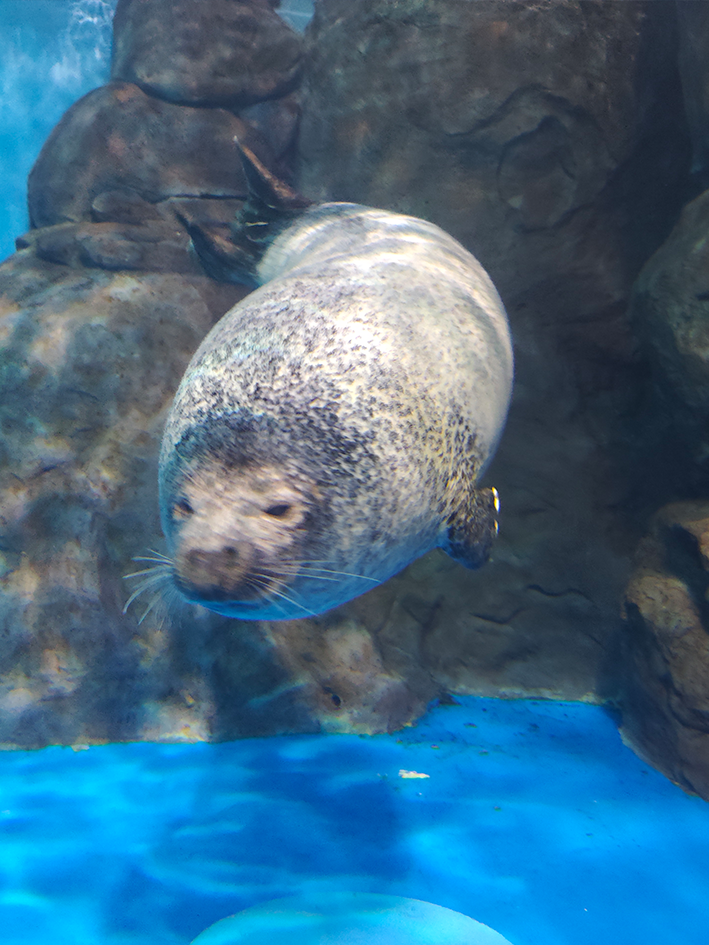
Spotted Seals (Level 2 – Cold Water Zone)
Spotted seals are carnivores with a broad diet that depends on the season, habitat, and environment. Their diet includes a wide range of fish, crustaceans, and cephalopods.
Feeding Times:
9:45–9:55 | 14:15–14:25
  • 2026/05/20260506161443997.png?5pyq5qCH6aKYLTEucG5n
  • 2026/05/20260506161448981.png?5pyq5qCH6aKYMi5wbmc=
image/麦哲伦企鹅1.png?6bqm5ZOy5Lym5LyB6bmFMS5wbmc=
image/麦哲伦企鹅2.jpg?6bqm5ZOy5Lym5LyB6bmFMi5qcGc=
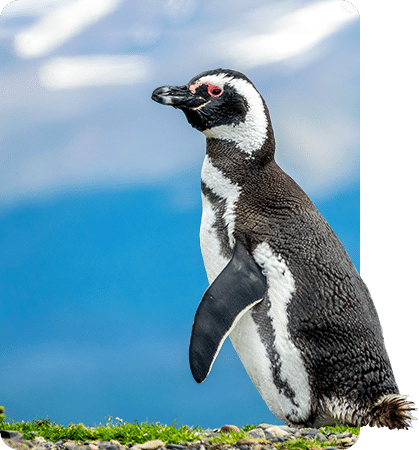
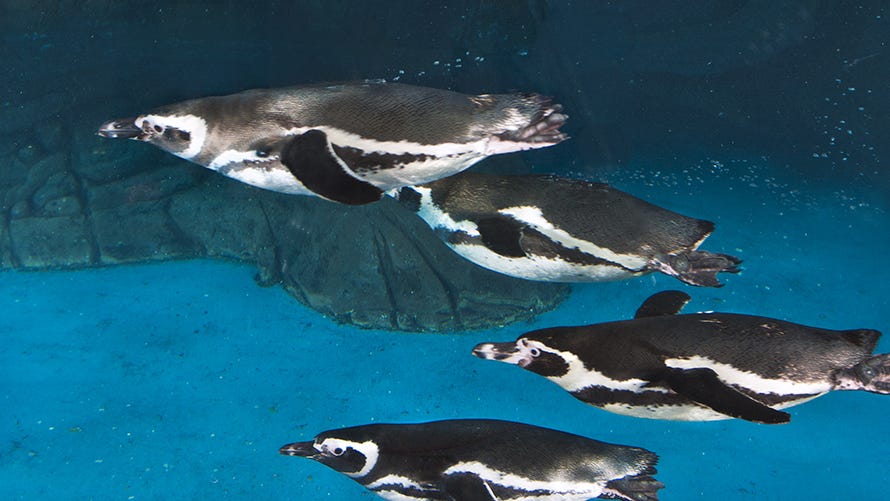
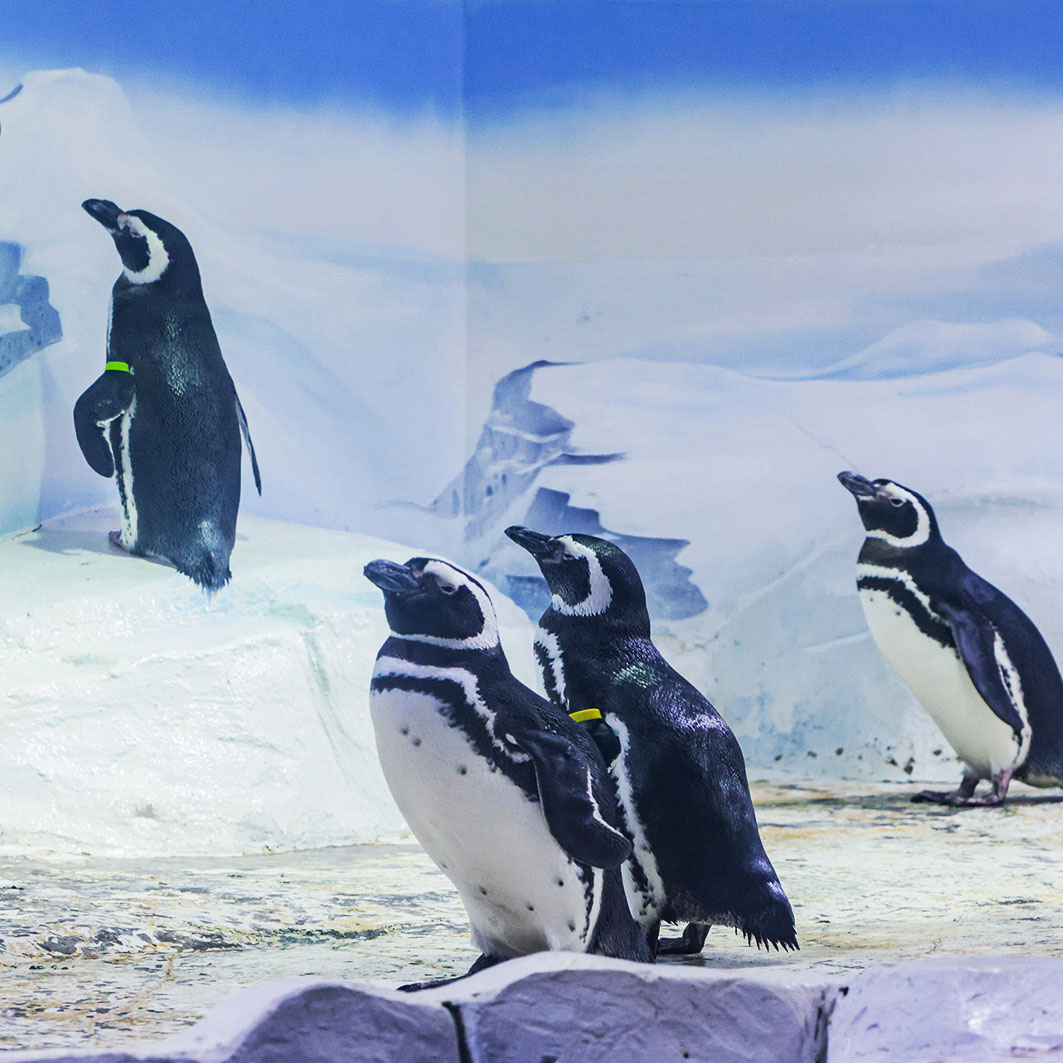
Penguins(Level 2 – Polar Zone)
Penguins primarily feed on marine organisms such as Antarctic krill, but they also consume fish like sardines and herring, which are nutrient-rich and commonly found in deeper waters.
Feeding Times:
10:00–10:15 | 14:30–14:45
  • image/鹰鲼缸参观场景.jpg?6bmw6bK857y45Y+C6KeC5Zy65pmvLmpwZw==
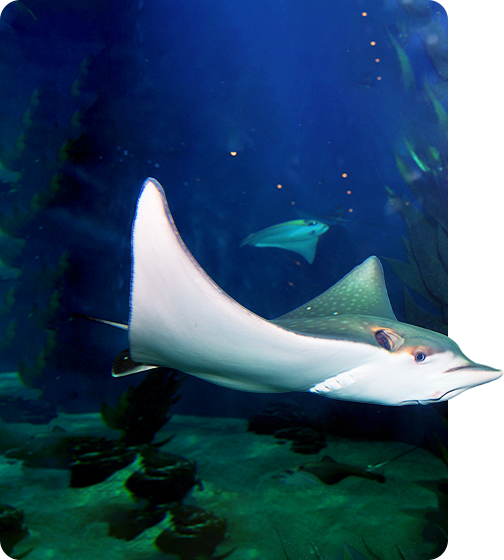
  • image/深海区--白点鹰鲼.png?5rex5rW35Yy6LS3nmb3ngrnpubDpsrwucG5n
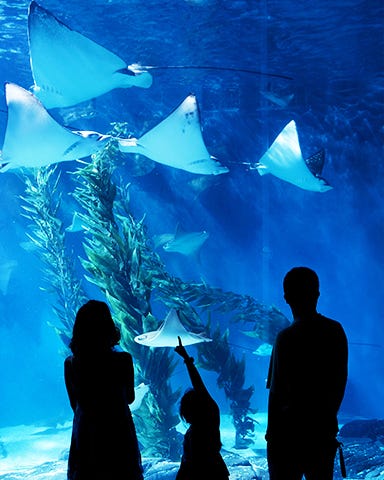
Open Ocean (B2 – Deep Sea Zone)
This exhibit features a group of “flying” rays belonging to the class Chondrichthyes (cartilaginous fish), specifically from the ray family. These filter-feeding animals primarily consume shellfish (such as clams), crustaceans, and small fish. Their feeding behaviour involves filtering plankton and organic particles from the water.
Feeding Times:
10:30–10:45 | 15:00–15:15
image/银色旋风.png?6ZO26Imy5peL6aOOLnBuZw==
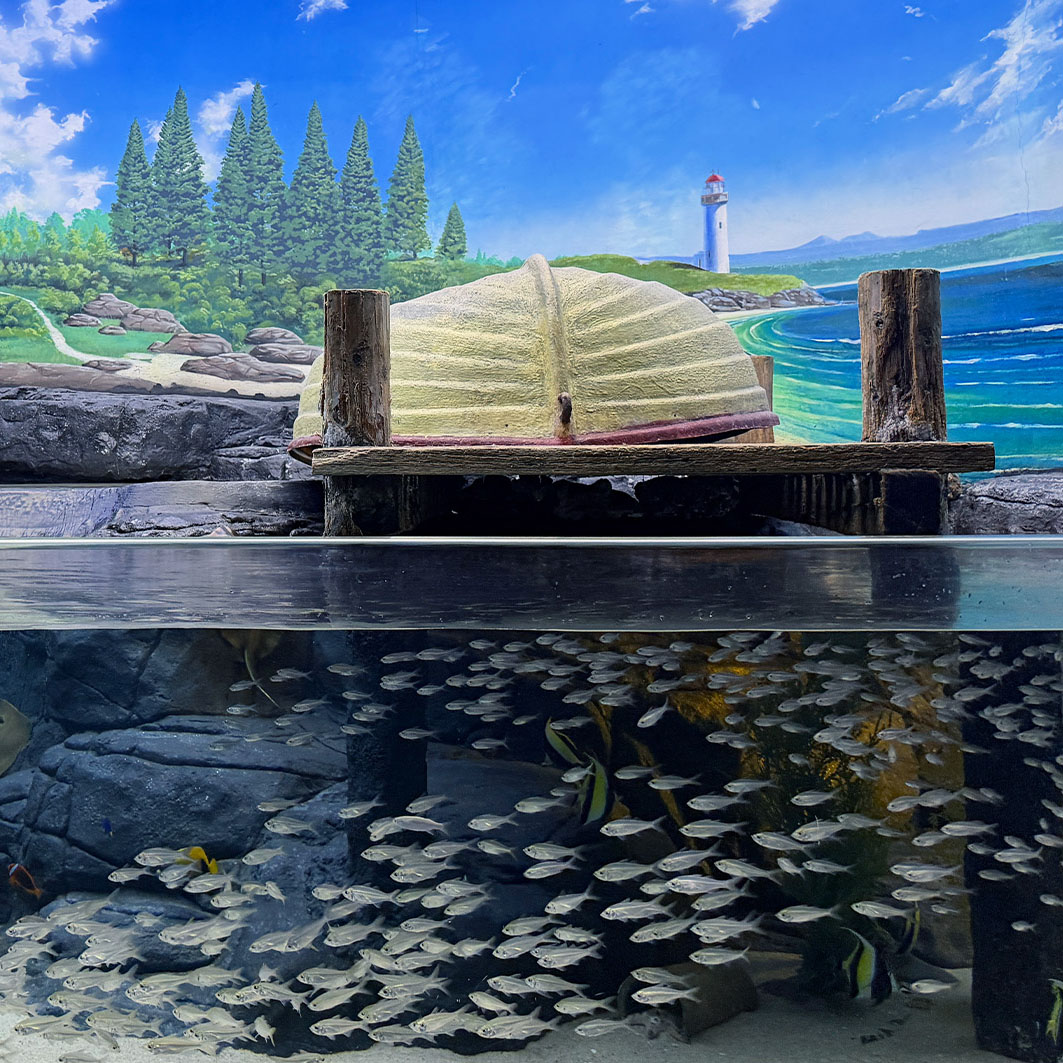
Schooling Fish – “Silver Vortex” (B2 – Deep Sea Zone)
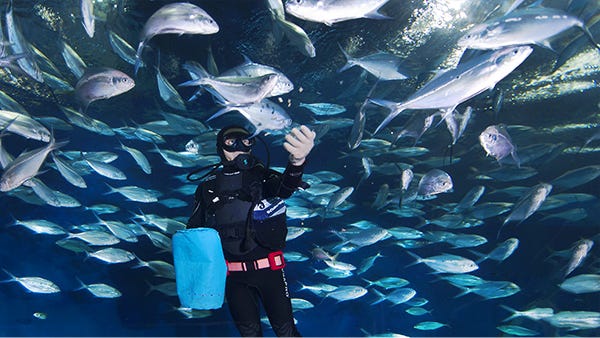
This exhibit houses the largest population of fish in the aquarium. During feeding, the fish gather and swirl around the diver, forming a spectacular “silver vortex.”
Adult trevally tend to swim in schools near the surface and feed on small fish, crustaceans, and worms.
Feeding Times:
10:50–11:00 | 15:20–15:40
image/银色旋风喂食场景.jpg?6ZO26Imy5peL6aOO5ZaC6aOf5Zy65pmvLmpwZw==
image/沙虎鲨.png?5rKZ6JmO6bKoLnBuZw==
image/鲨鱼海湾.jpg?6bKo6bG85rW35rm+LmpwZw==
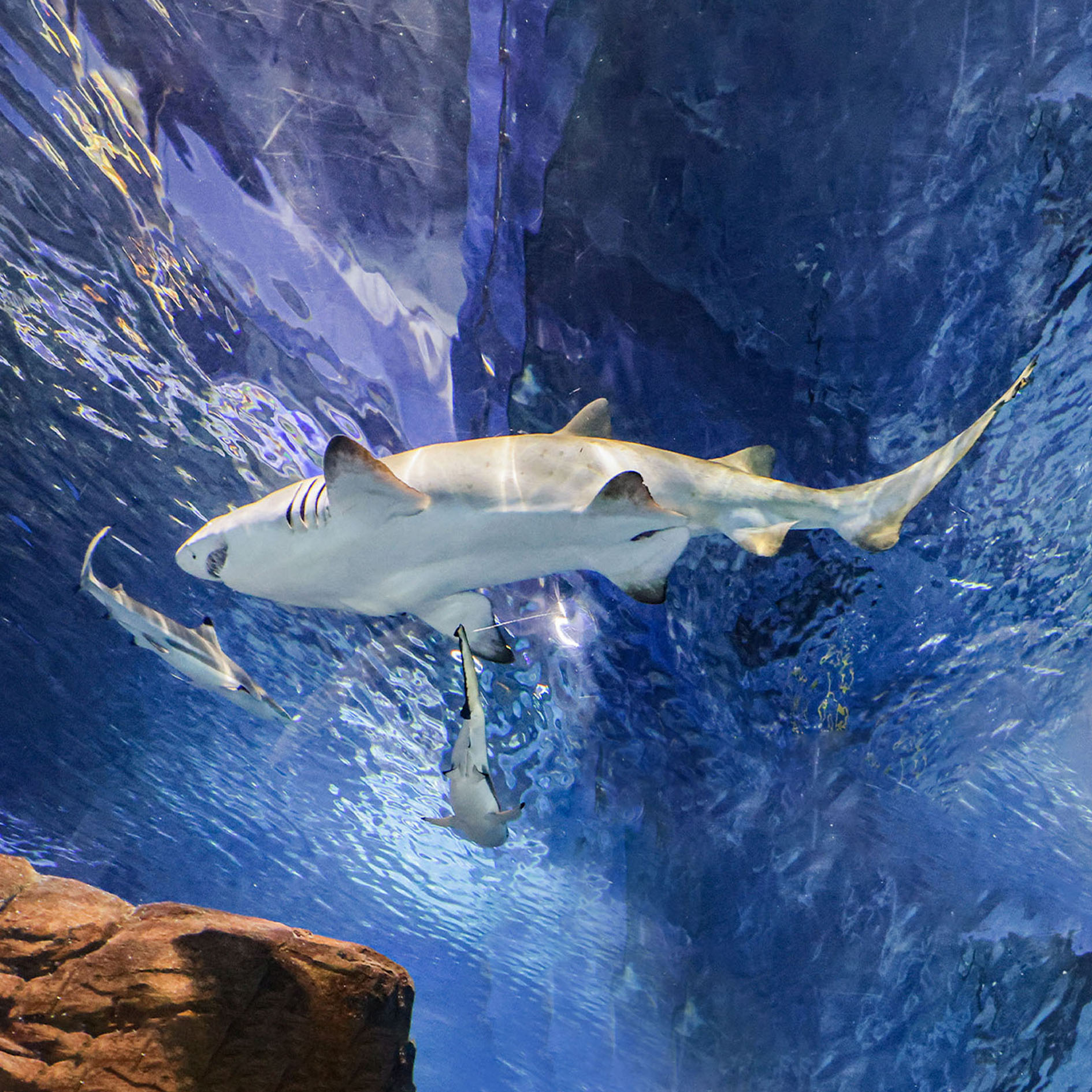
Shark Bay(B2 – Deep Sea Zone)
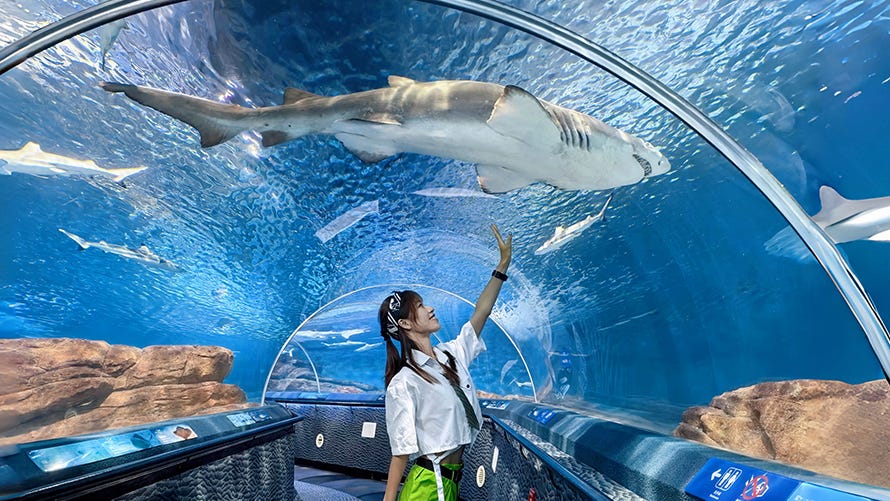
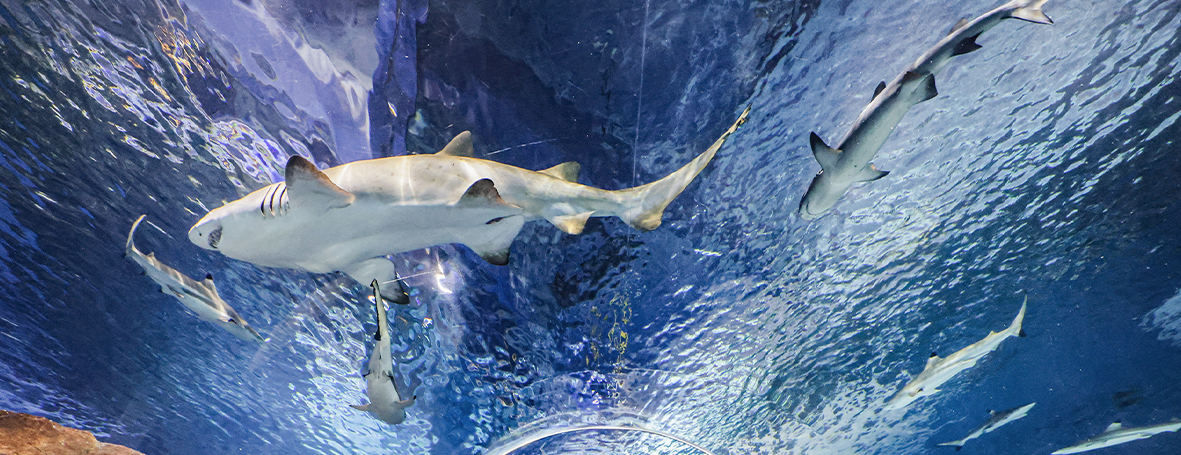
Shark Bay is home to six species of sharks along with their symbiotic companions. Based on differences in size and evolutionary adaptations, these sharks can be broadly categorized into three feeding types: carnivorous sharks, omnivorous sharks, and filter-feeding sharks.
Feeding Times:
10:50–11:10 | 15:20–15:40
中国banner.jpg
南美banner.jpg
澳大利亚banner.jpg
非洲banner.jpg
东南亚banner.jpg
冷水banner.jpg
极地banner.jpg
海岸banner.jpg
深海banner.jpg
特别展banner.jpg
Exhibits
China
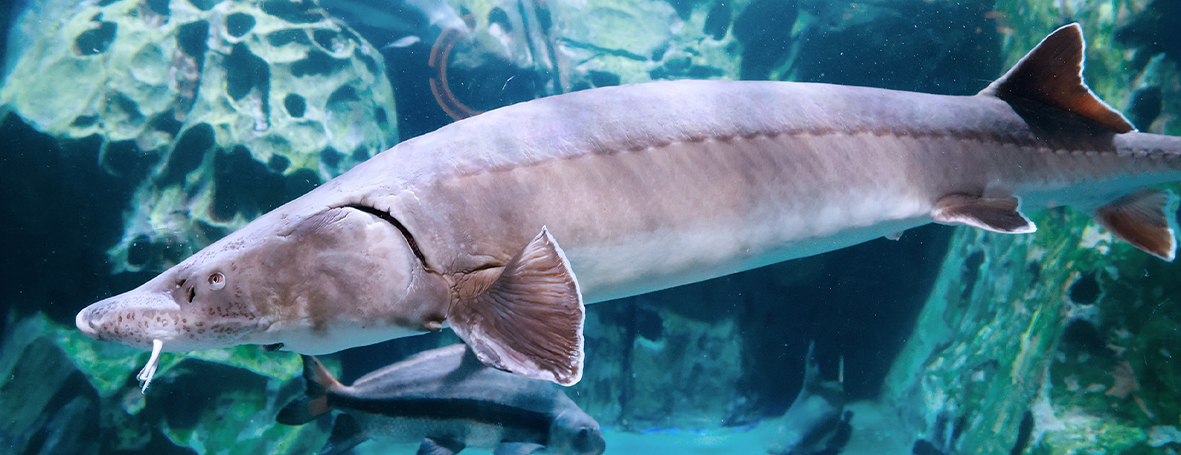
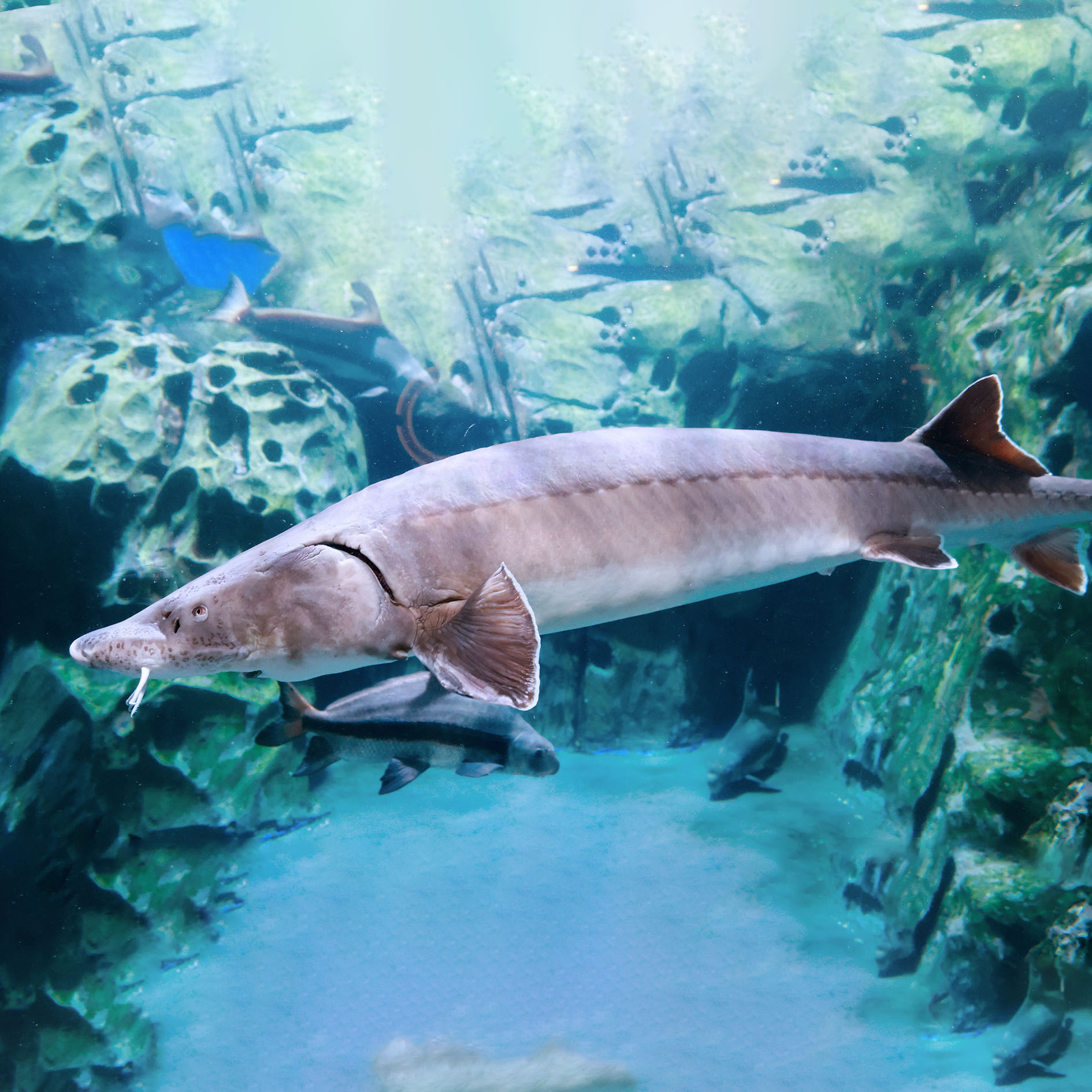
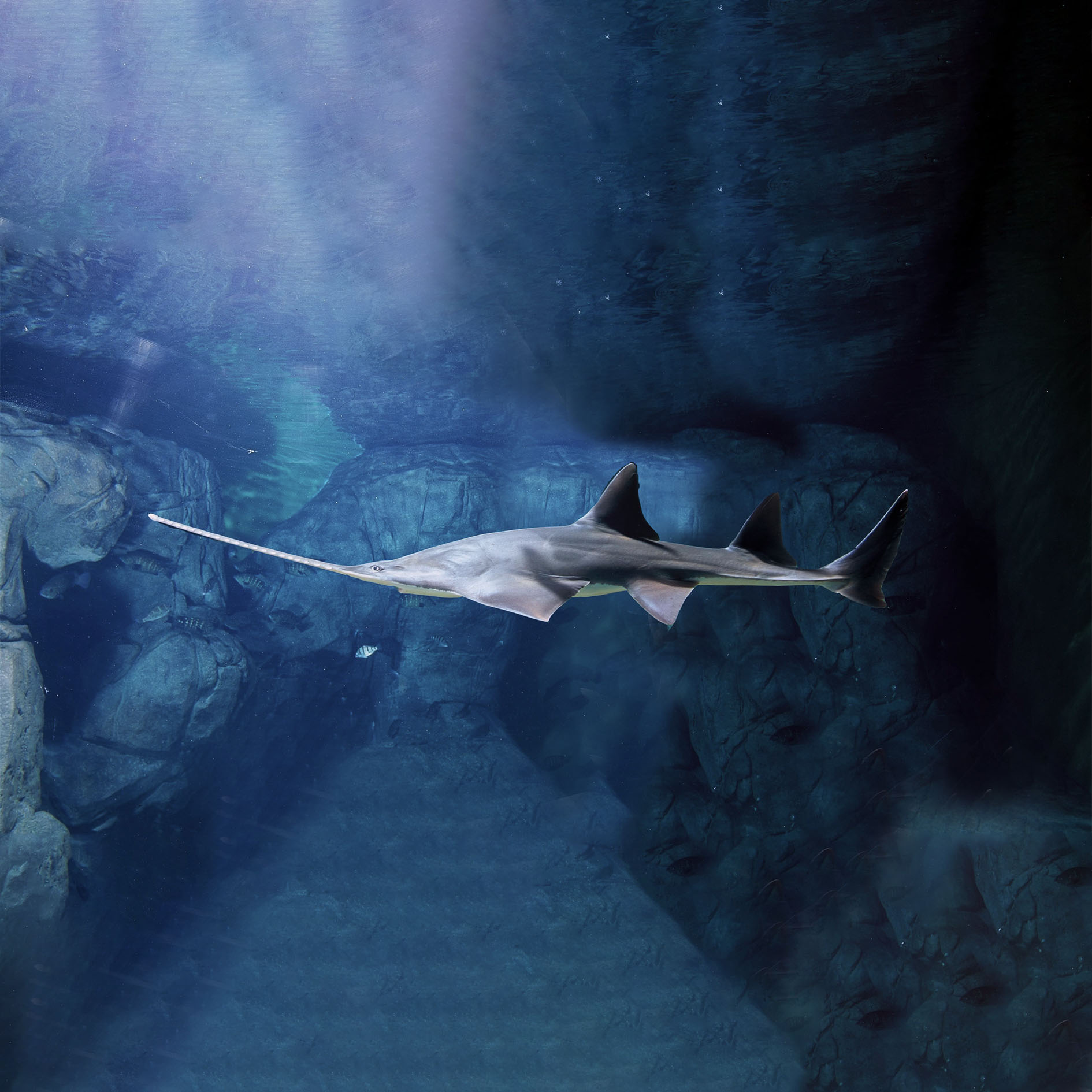
Shanghai Ocean Aquarium is the only aquarium in the world with a dedicated China Zone showcasing endemic aquatic species of China. Most of the species exhibited are nationally protected animals, including the Chinese sturgeon, Chinese sucker fish, Yangtze alligator, Chinese giant salamander, and Percocypris pingi (Jinsha carp).
South America
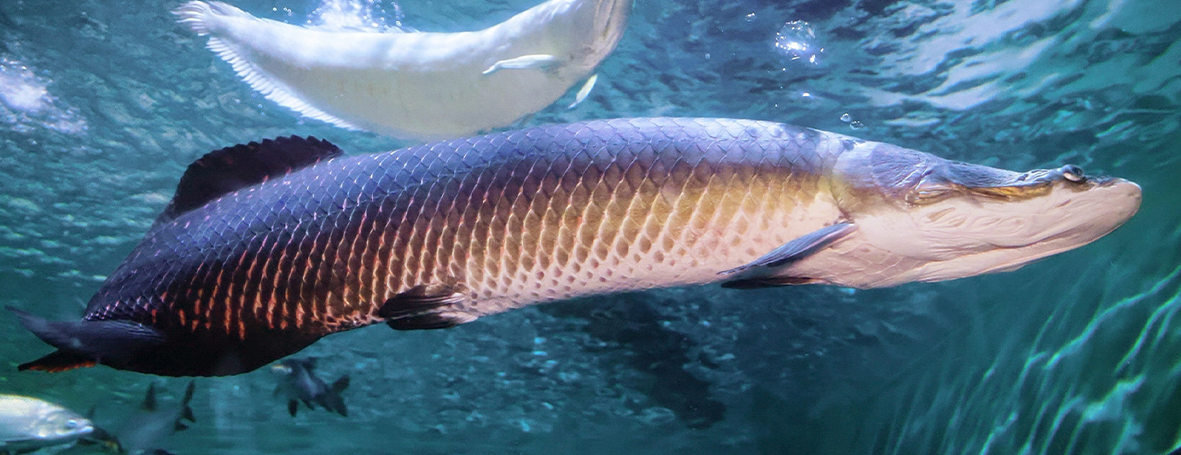
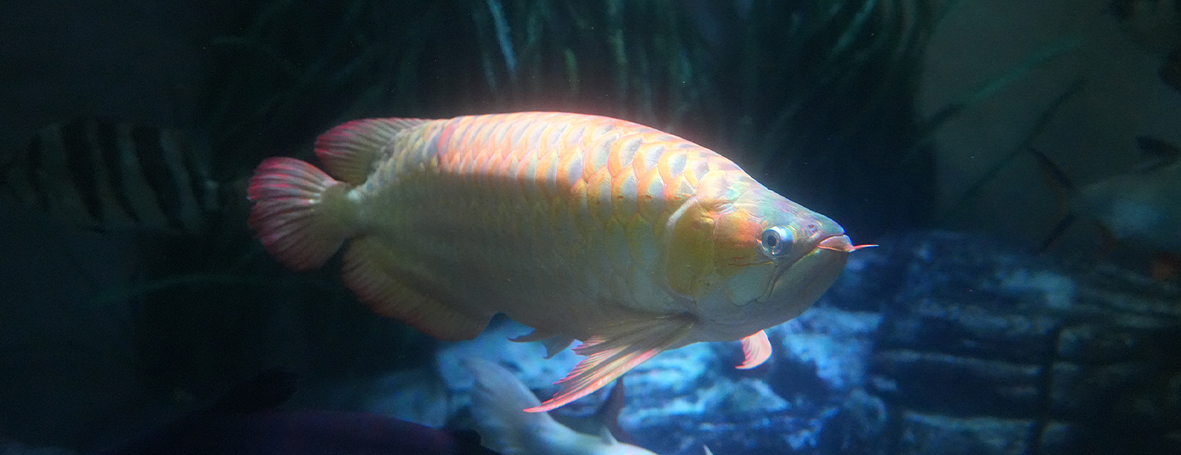
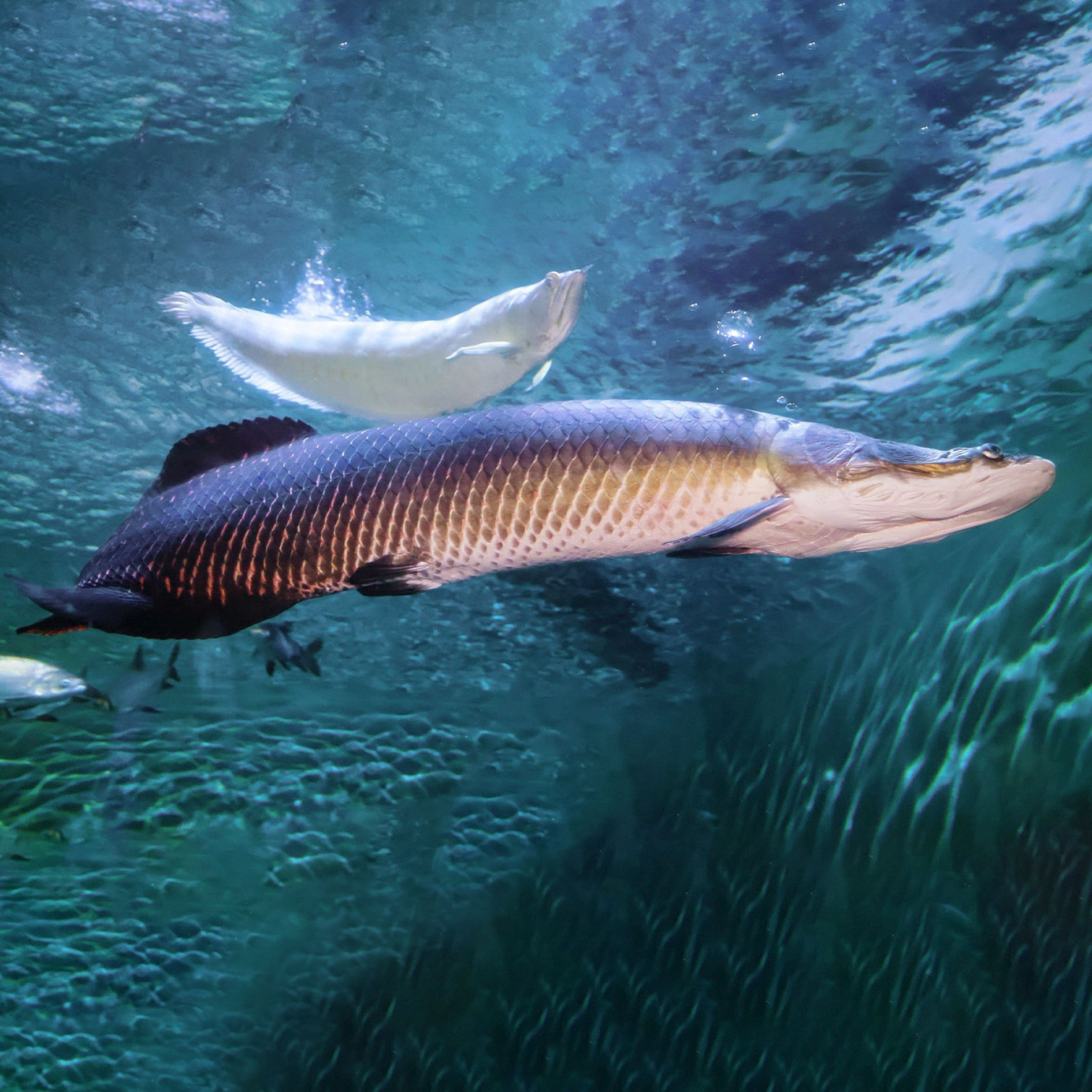
South America boasts the world's richest freshwater fish resources. The arapaima, one of the largest scaled bony freshwater fish species on Earth, thrives in these waters. Walk through the Amazon River tunnel, and you will get an up-close encounter with this winding, mystical river snaking through tropical rainforests, experiencing the unique allure of South America's freshwater ecosystems.


Australia
Australia has relatively few freshwater fish species, yet many are uniquely found nowhere else in the world. This distinctiveness is the result of the continent’s long geographic isolation, which has limited species exchange and allowed its aquatic life to evolve independently over millions of years.
Africa
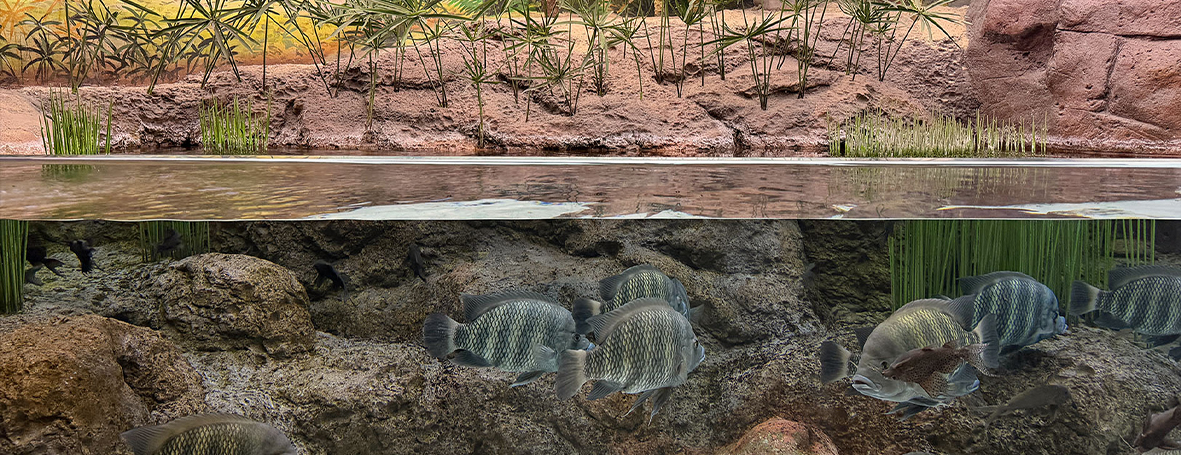
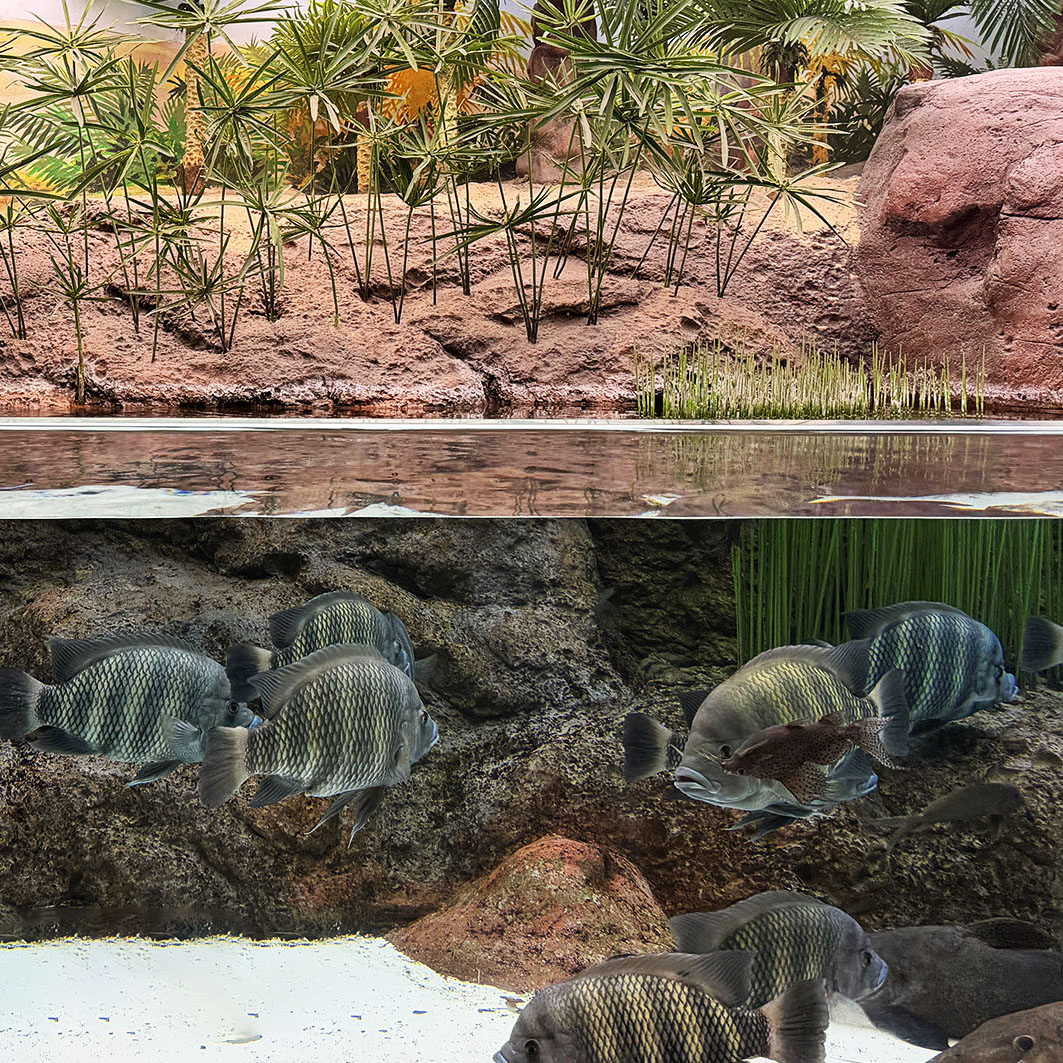
Africa is home to some of the world’s most remarkable freshwater systems, including the Nile River, the Congo River, and the Great Lakes of the East African Rift Valley. Among these, Lakes Victoria, Tanganyika, and Malawi are especially renowned for their extraordinary diversity of cichlids. Formed approximately 500,000 to 2 million years ago, these lakes have driven rapid evolutionary diversification, resulting in one of the richest concentrations of freshwater fish species on Earth.
Southeast Asia
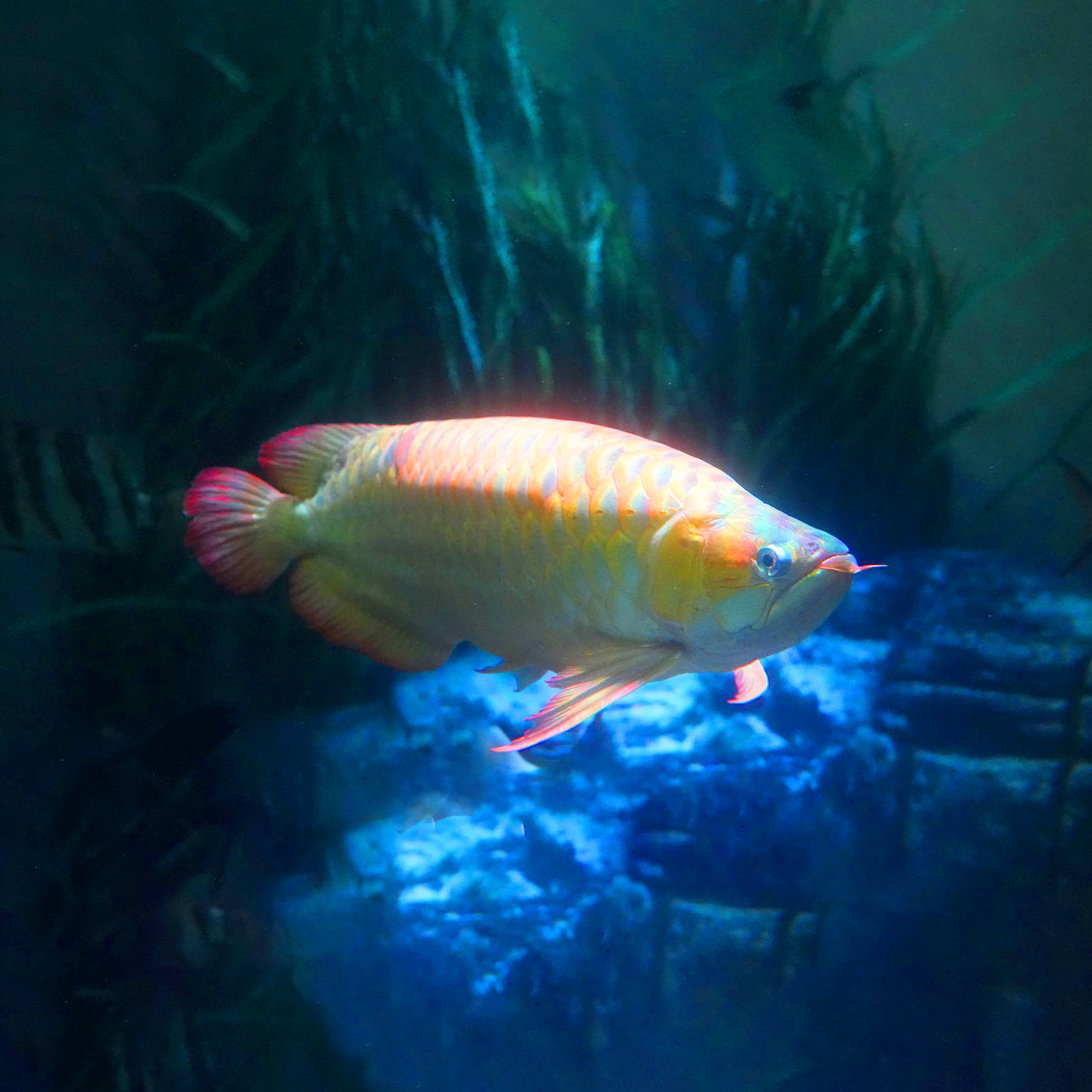
Southeast Asia’s tropical rainforests are among the oldest on Earth, characterized by dense forest coverage, dramatic landscapes, and exceptional biodiversity. These rich ecosystems provide abundant food sources and ideal habitats, supporting a wide variety of unique freshwater species.
Cold Water
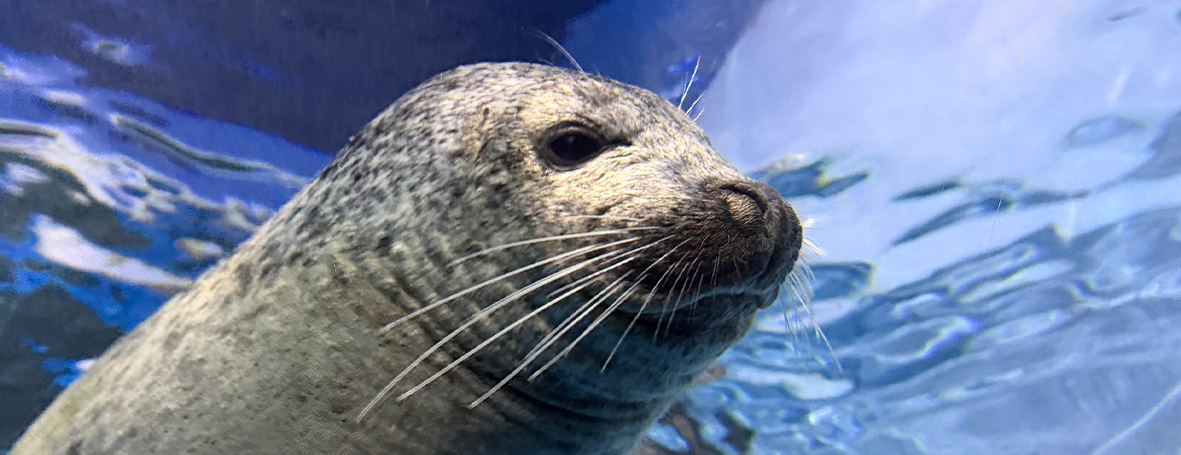
Within the semi-arc acrylic tunnel, visitors can enjoy close-up views of the spotted seals.  If they are not immediately visible in the water, live video feeds may reveal them resting or playfully lounging on their swings behind the scenes.
Polar
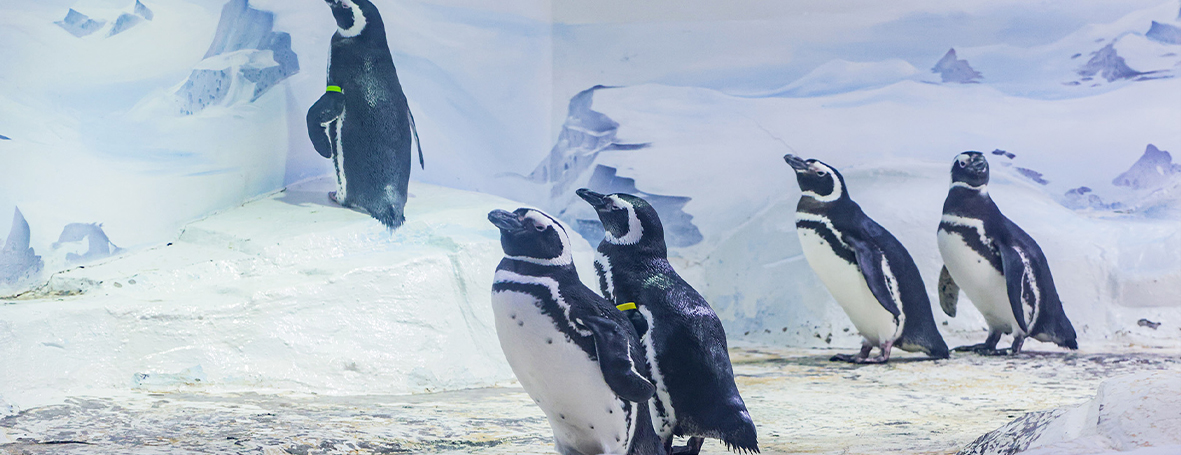
Amid the sound of howling winds, penguins await your arrival, dressed in their signature “tuxedo” plumage. As they waddle gracefully through the chilly environment, their charming movements bring warmth and delight to this icy world.
Sea and Shore
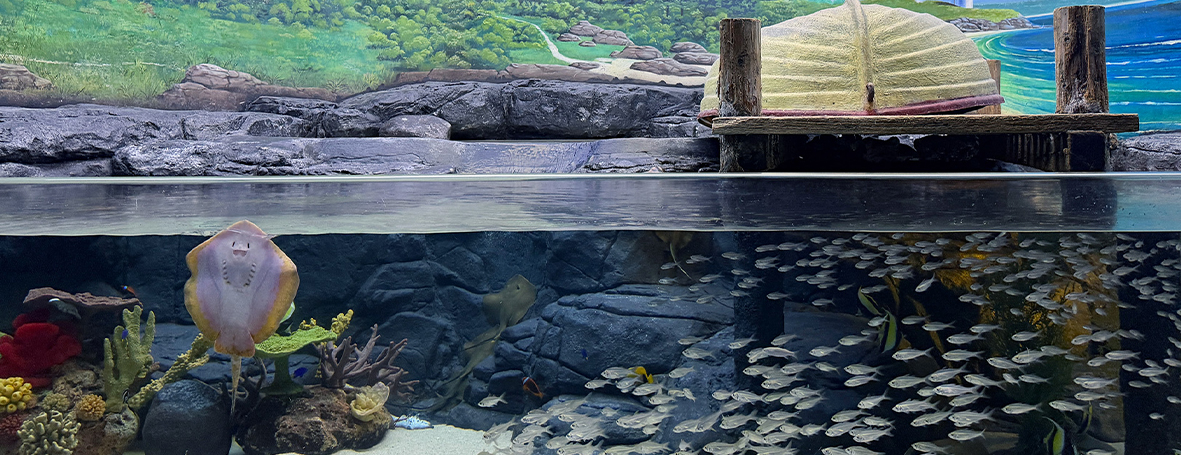
A vibrant showcase of marine biodiversity, this zone highlights the remarkable diversity of forms, colours, and behaviours found in coastal ecosystems.
Deep Ocean
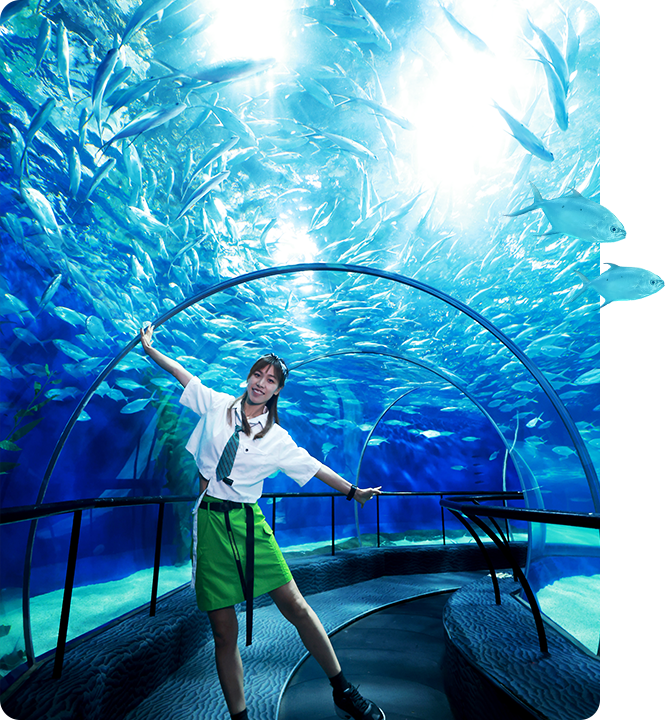
This zone features a spectacular 155-meter underwater tunnel, offering an immersive journey through the open ocean environment. As you walk through, you will be surrounded by a diverse array of marine life, creating the sensation of being beneath the sea.
Special Exhibition
Special exhibitions are presented year-round offering focused insights into specific themes and species.
Humans were once merely a part of the natural food chain, but through technological advancement and large-scale organization, have become dominant apex predators. Today, marine biologists warn that sharks—once the ocean’s top predators—may be among the first marine species pushed toward endangerment due to human activities.
The Yangtze River, China’s longest river, is not only a vital lifeline for human civilization but also a cradle of biodiversity. Its basin supports more than half of China’s aquatic species, including over 300 species of fish.
中国.jpg

China

南美.jpg

South America

澳洲.jpg

Australia

非洲.jpg

Africa

东南亚.jpg

Southeast Asia

冷水.png

Cold Water

极地.jpg

Polar

海岸.jpg

Sea and Shore

深海.jpg

Deep Ocean

特别展区封面.jpg

Special Exhibition

Featured Star
海豹内图2.jpg
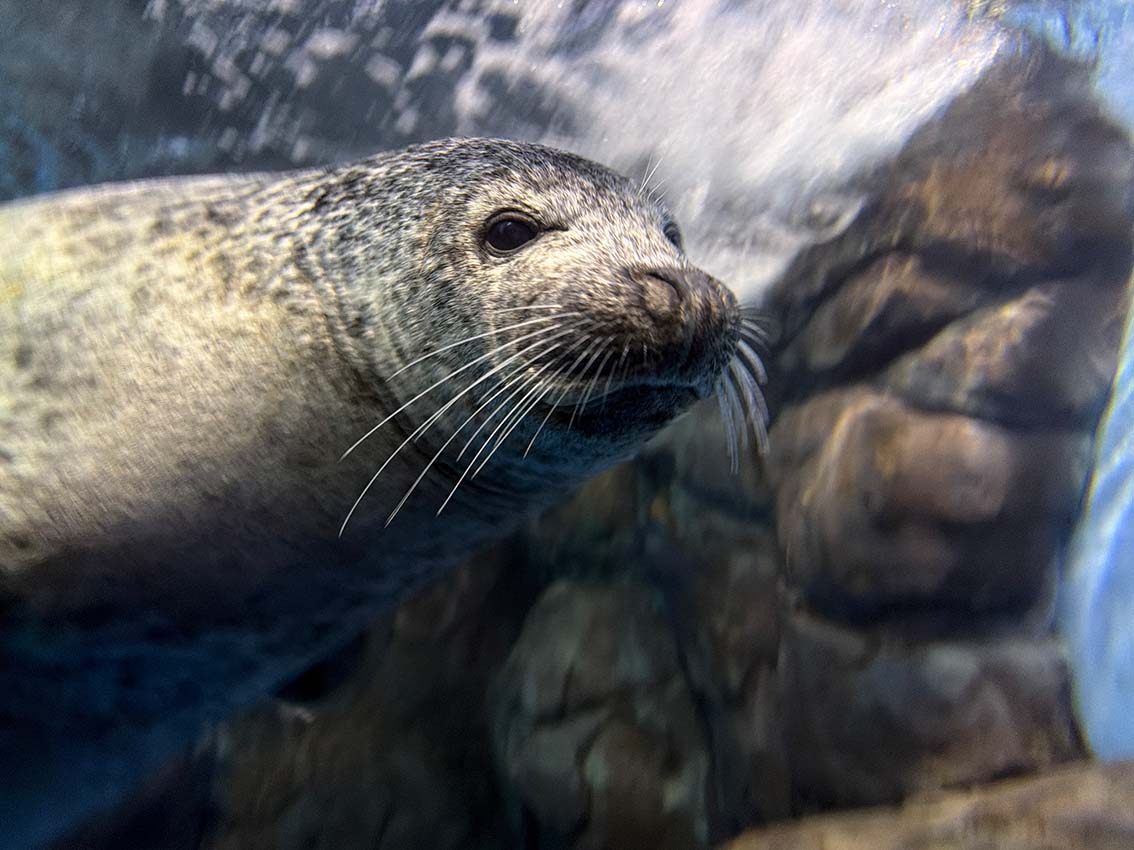
Spotted Seal
The spotted seal belongs to the pinniped group and primarily inhabits the icy waters of Liaodong Bay. It is the only seal species that breeds within China. Recognizable by its distinctive spotted coat, this species is well adapted to cold environments. Newborn pups are covered in pure white fur, allowing them to blend seamlessly into snowy surroundings and avoid predators.
本期明星鲨鱼.jpg
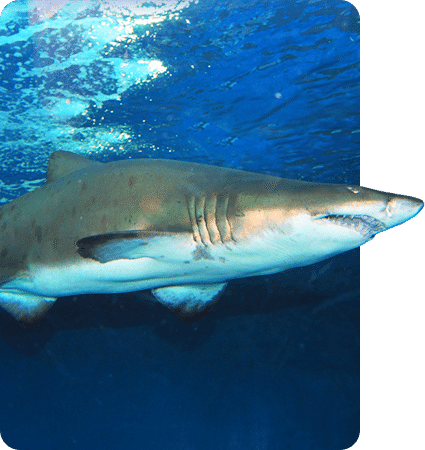
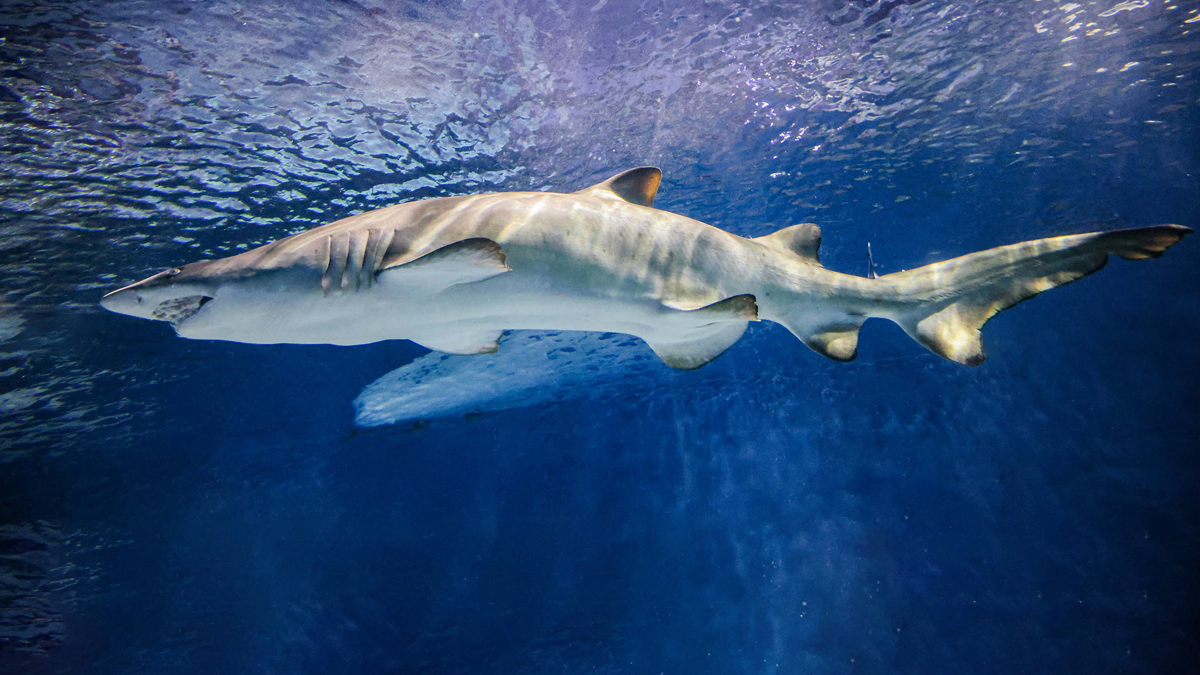
Sand Tiger Shark
The sand tiger shark is a large coastal shark that can grow up to 3 meters in length. It has a robust body and distinctive protruding teeth. Primarily nocturnal, it preys on bony fish, squid, and crustaceans. This species is ovoviviparous, meaning embryos develop inside eggs that hatch within the mother’s body. Due to overexploitation, it is now considered a protected species.
Shanghai Ocean Aquarium
9 exhibition zones | 450+ species | 15,000+ aquatic animals
Learn More