Operation Hours:09:00~18:00

Shanghai Ocean Aquarium (“SOA”)

China South America Australia Africa Southeast Asia Cold Water Polar Sea and Shore Deep Ocean Special Exhibition
Introduction
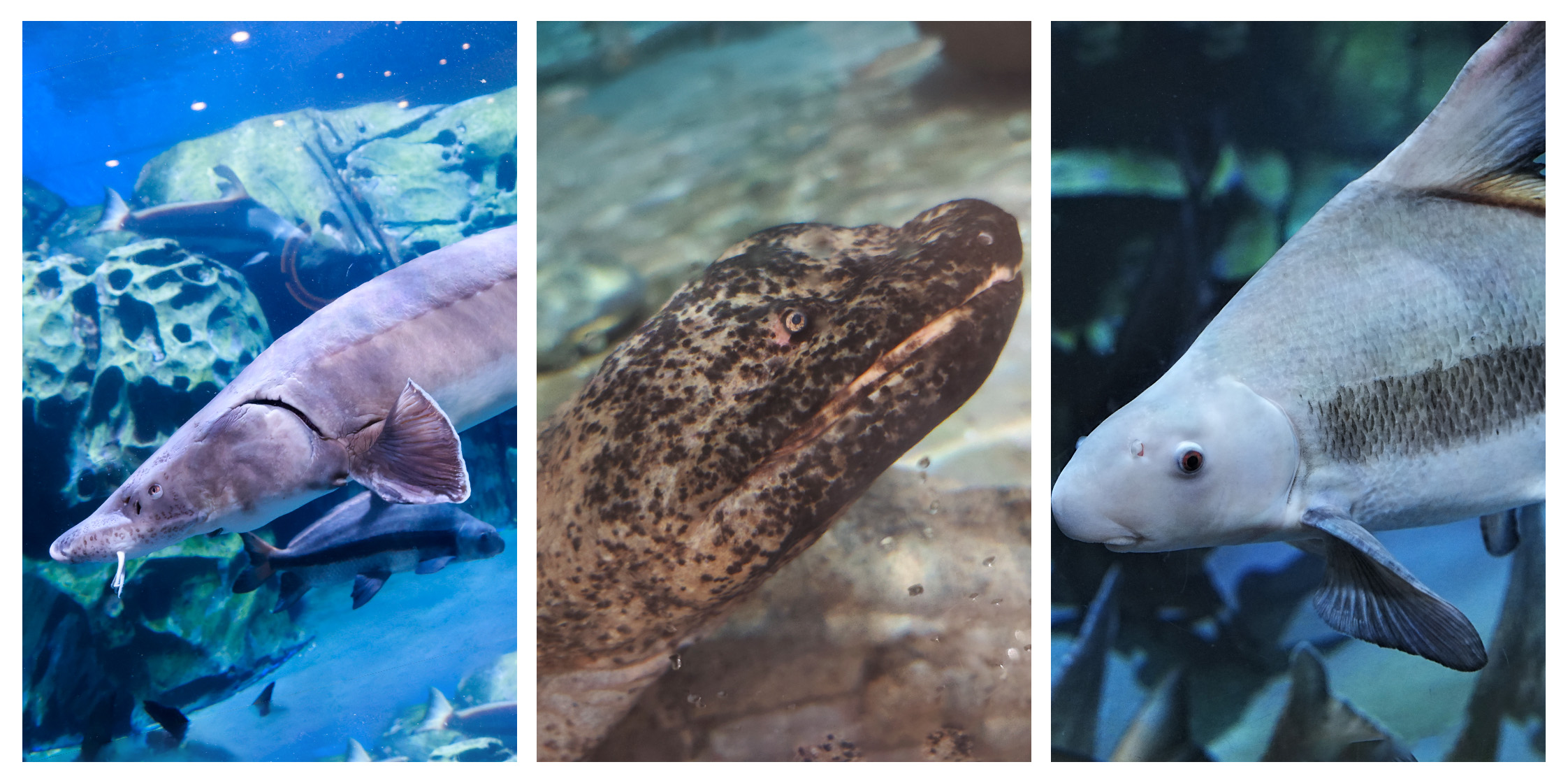
Shanghai Ocean Aquarium is the only aquarium in the world with a dedicated China Zone showcasing endemic aquatic species of China. Most of the species exhibited are nationally protected animals, including the Chinese sturgeon, Chinese sucker fish, Yangtze alligator, Chinese giant salamander, and Percocypris pingi (Jinsha carp).
Introduction
South America boasts the world's richest freshwater fish resources. The arapaima, one of the largest scaled bony freshwater fish species on Earth, thrives in these waters. Walk through the Amazon River tunnel, and you will get an up-close encounter with this winding, mystical river snaking through tropical rainforests, experiencing the unique allure of South America's freshwater ecosystems.


Introduction
Australia has relatively few freshwater fish species, yet many are uniquely found nowhere else in the world. This distinctiveness is the result of the continent’s long geographic isolation, which has limited species exchange and allowed its aquatic life to evolve independently over millions of years.
Introduction
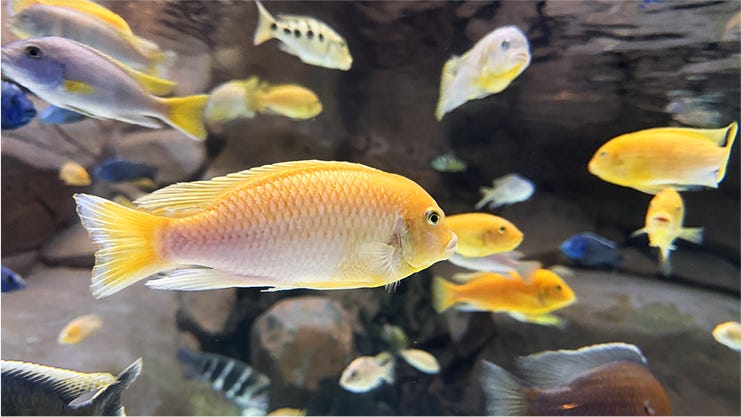
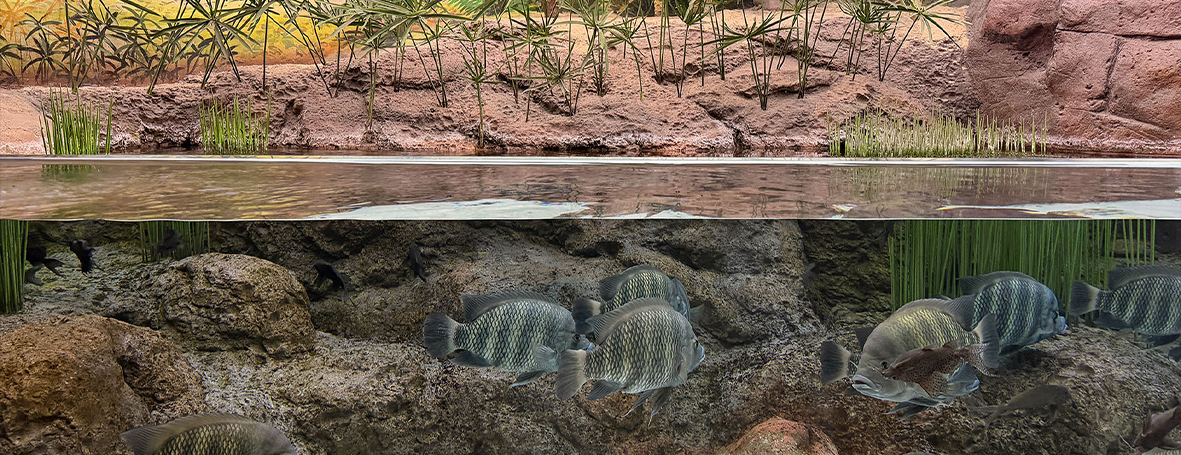
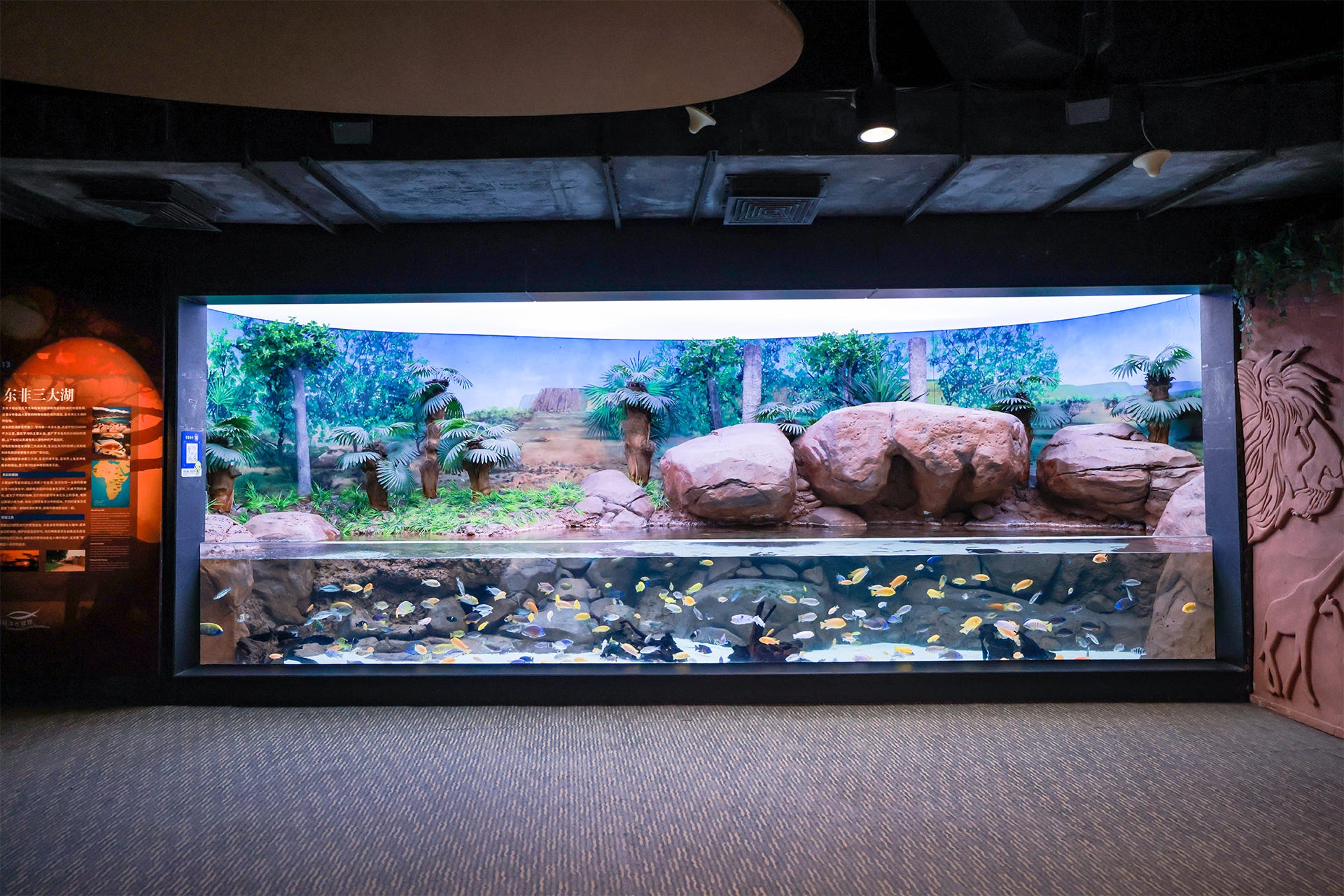
Africa is home to some of the world’s most remarkable freshwater systems, including the Nile River, the Congo River, and the Great Lakes of the East African Rift Valley. Among these, Lakes Victoria, Tanganyika, and Malawi are especially renowned for their extraordinary diversity of cichlids. Formed approximately 500,000 to 2 million years ago, these lakes have driven rapid evolutionary diversification, resulting in one of the richest concentrations of freshwater fish species on Earth.
Introduction
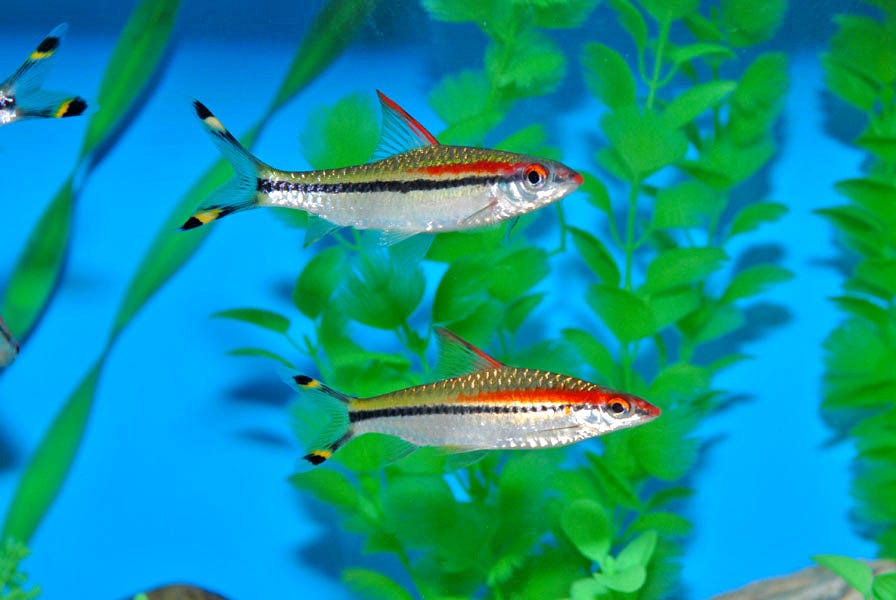
Southeast Asia’s tropical rainforests are among the oldest on Earth, characterized by dense forest coverage, dramatic landscapes, and exceptional biodiversity. These rich ecosystems provide abundant food sources and ideal habitats, supporting a wide variety of unique freshwater species.
Introduction
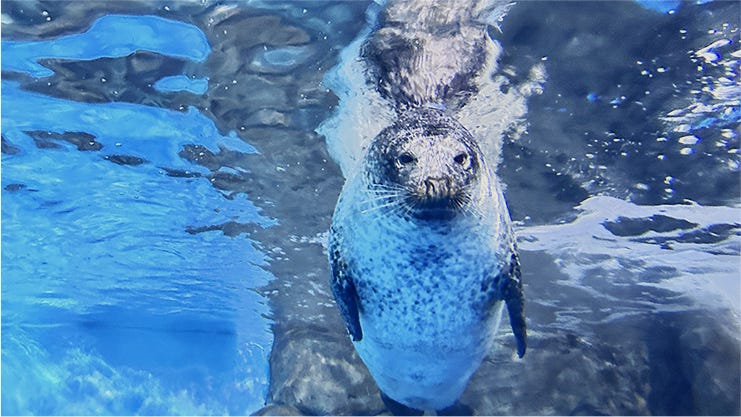
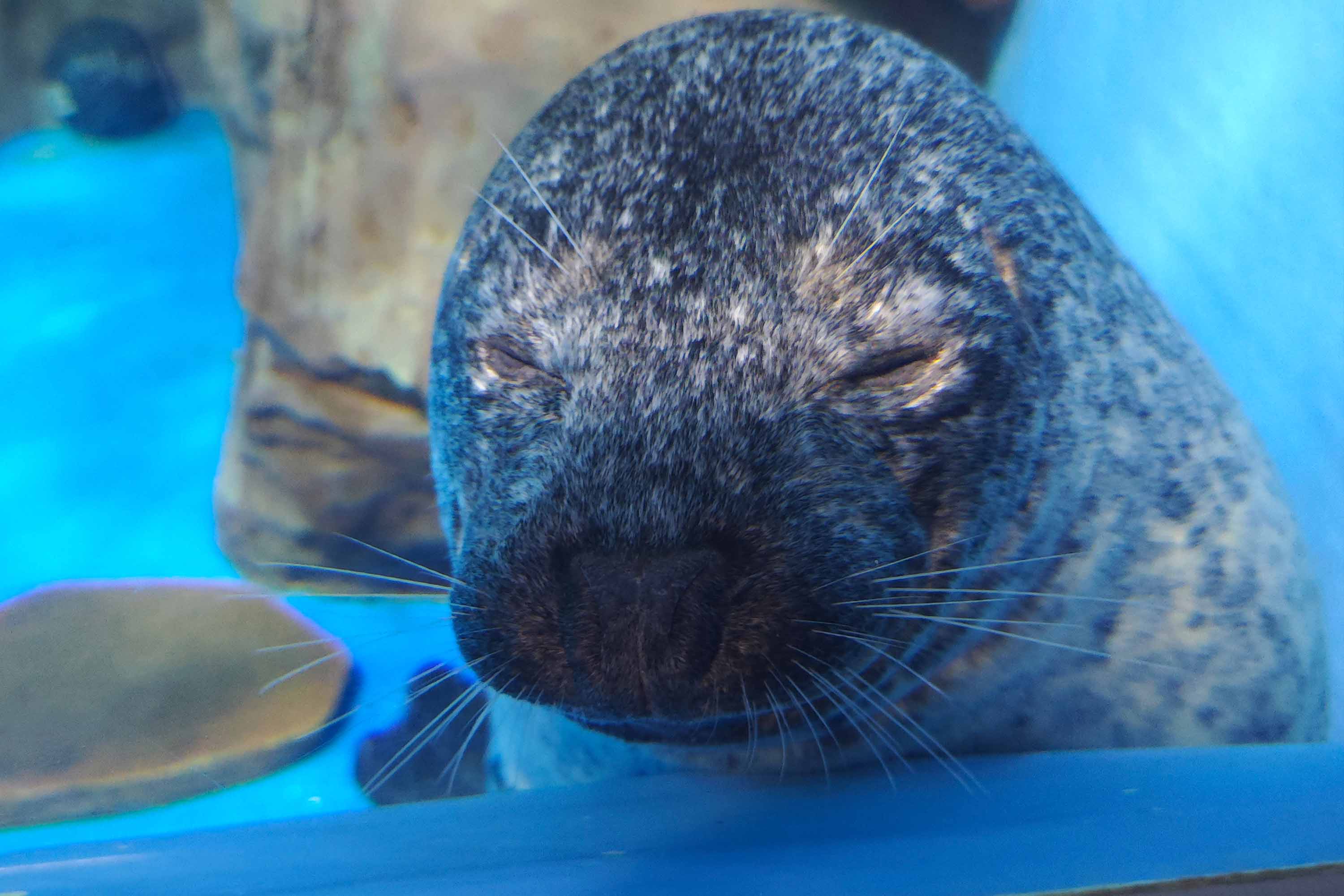
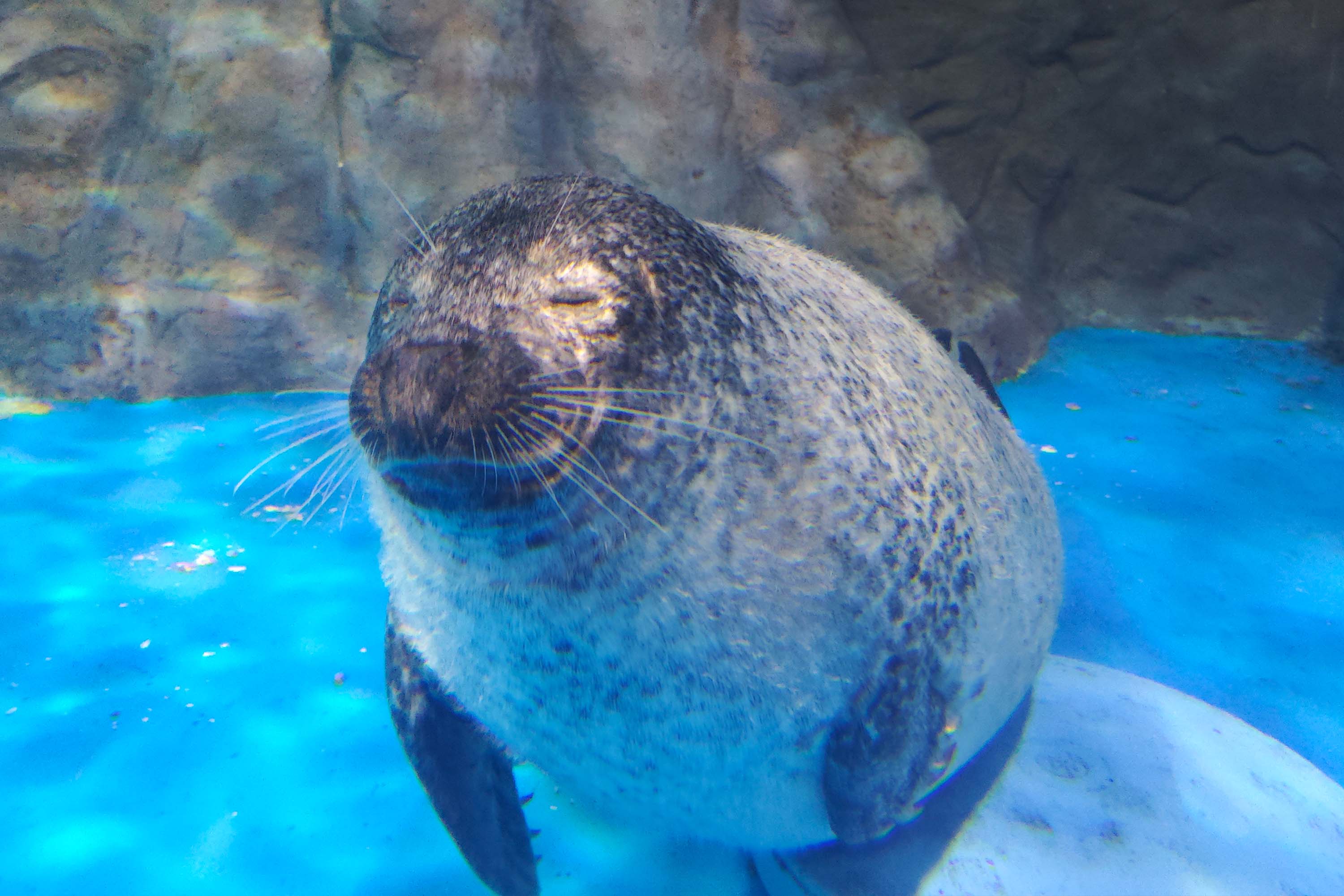
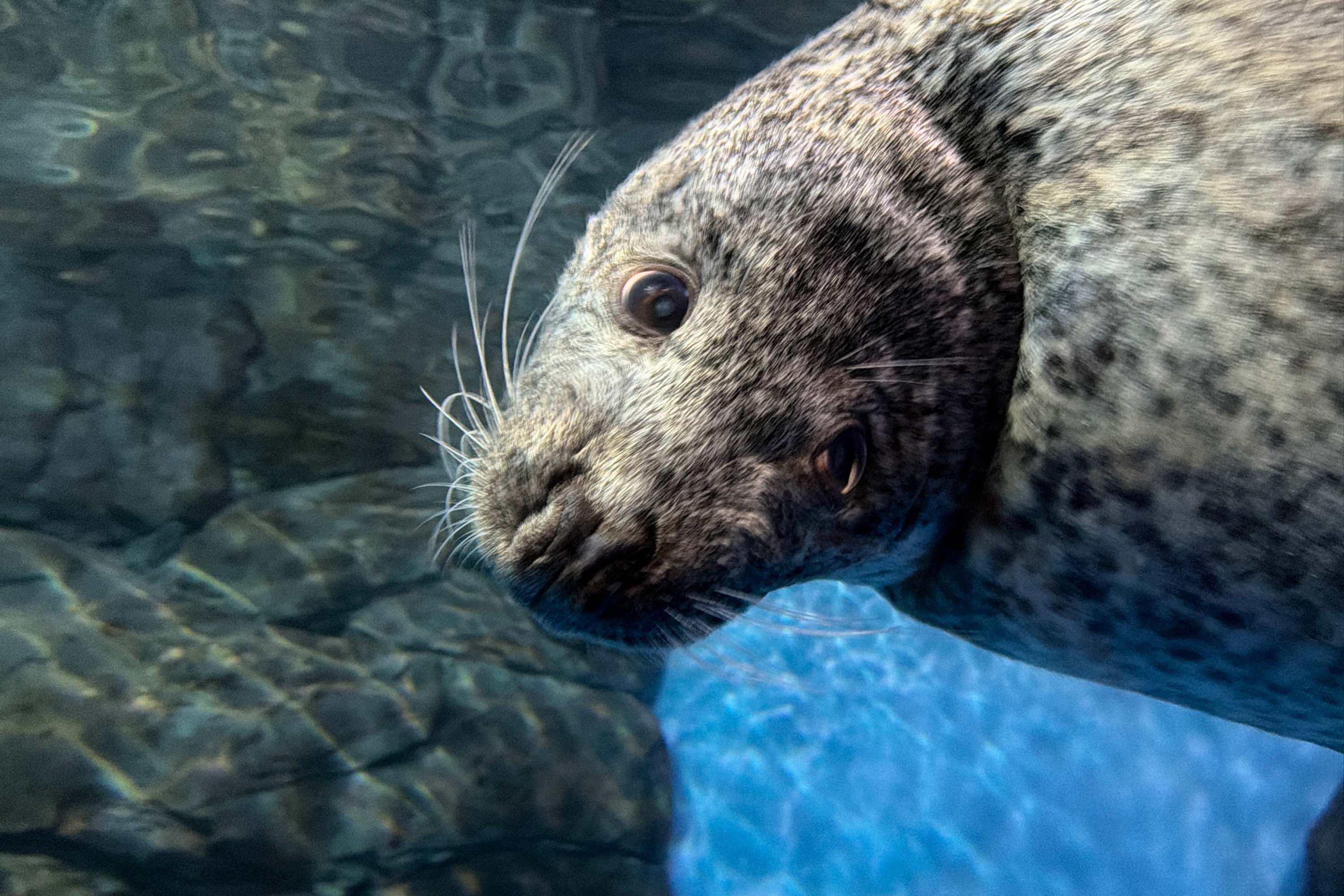
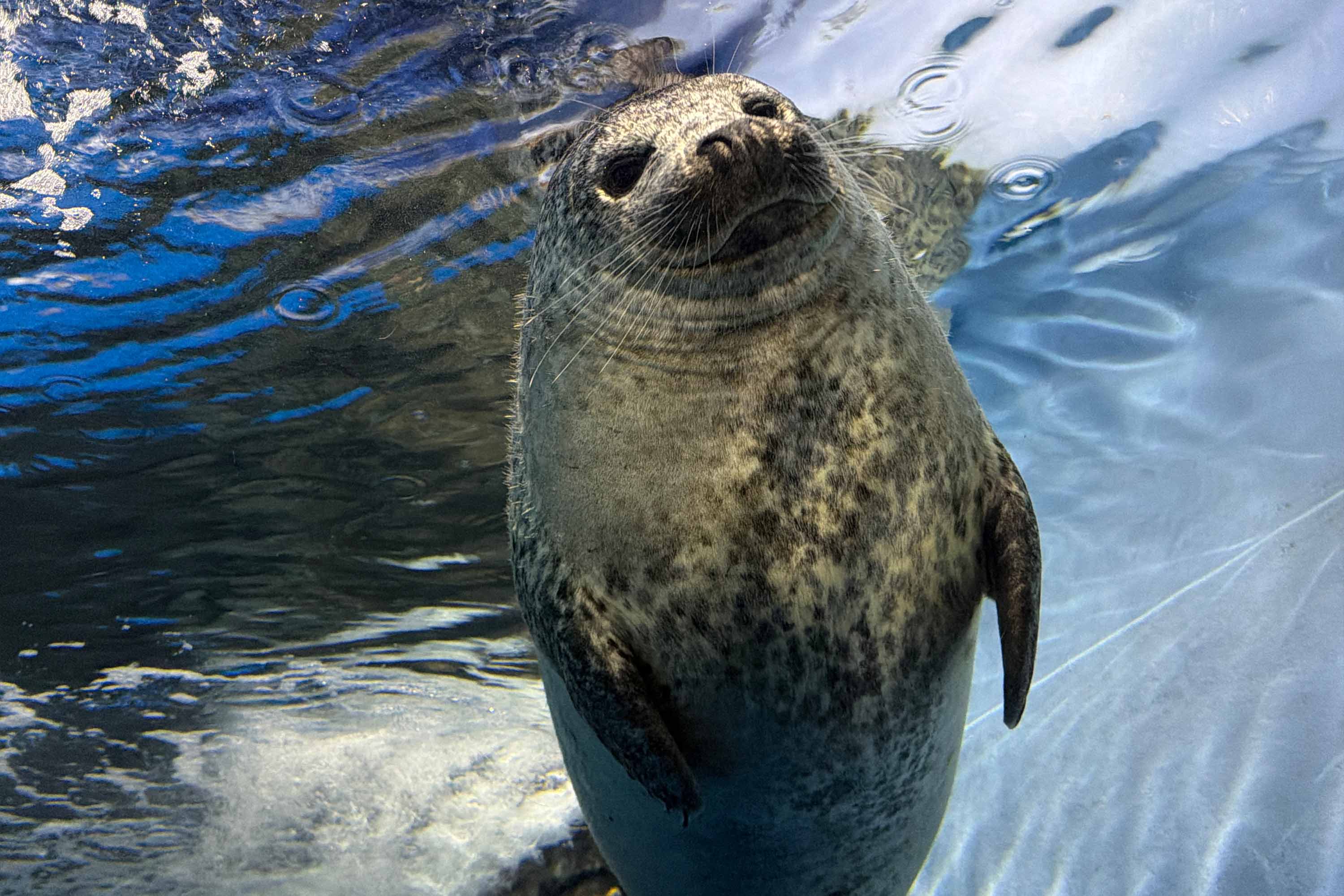
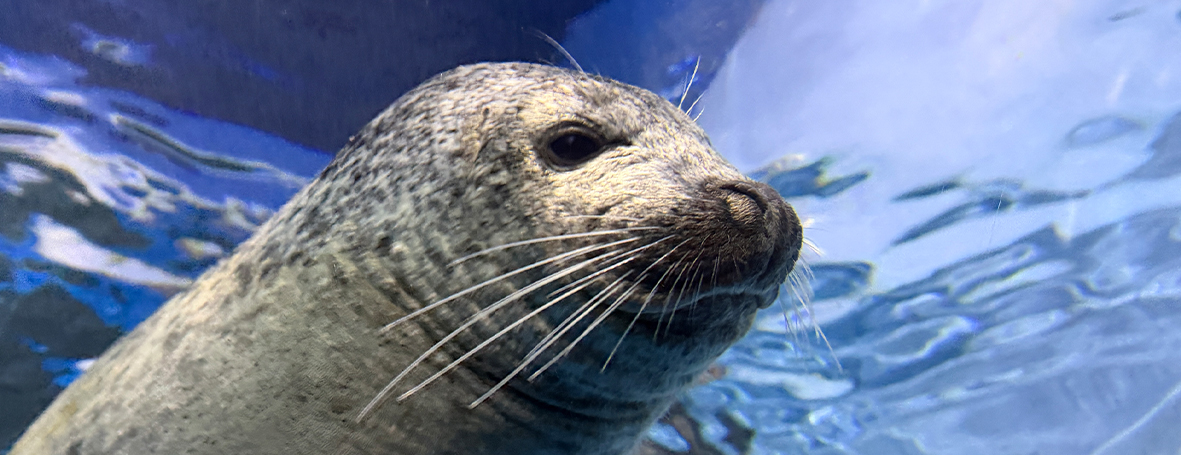
Within the semi-arc acrylic tunnel, visitors can enjoy close-up views of the spotted seals.  If they are not immediately visible in the water, live video feeds may reveal them resting or playfully lounging on their swings behind the scenes.
Introduction
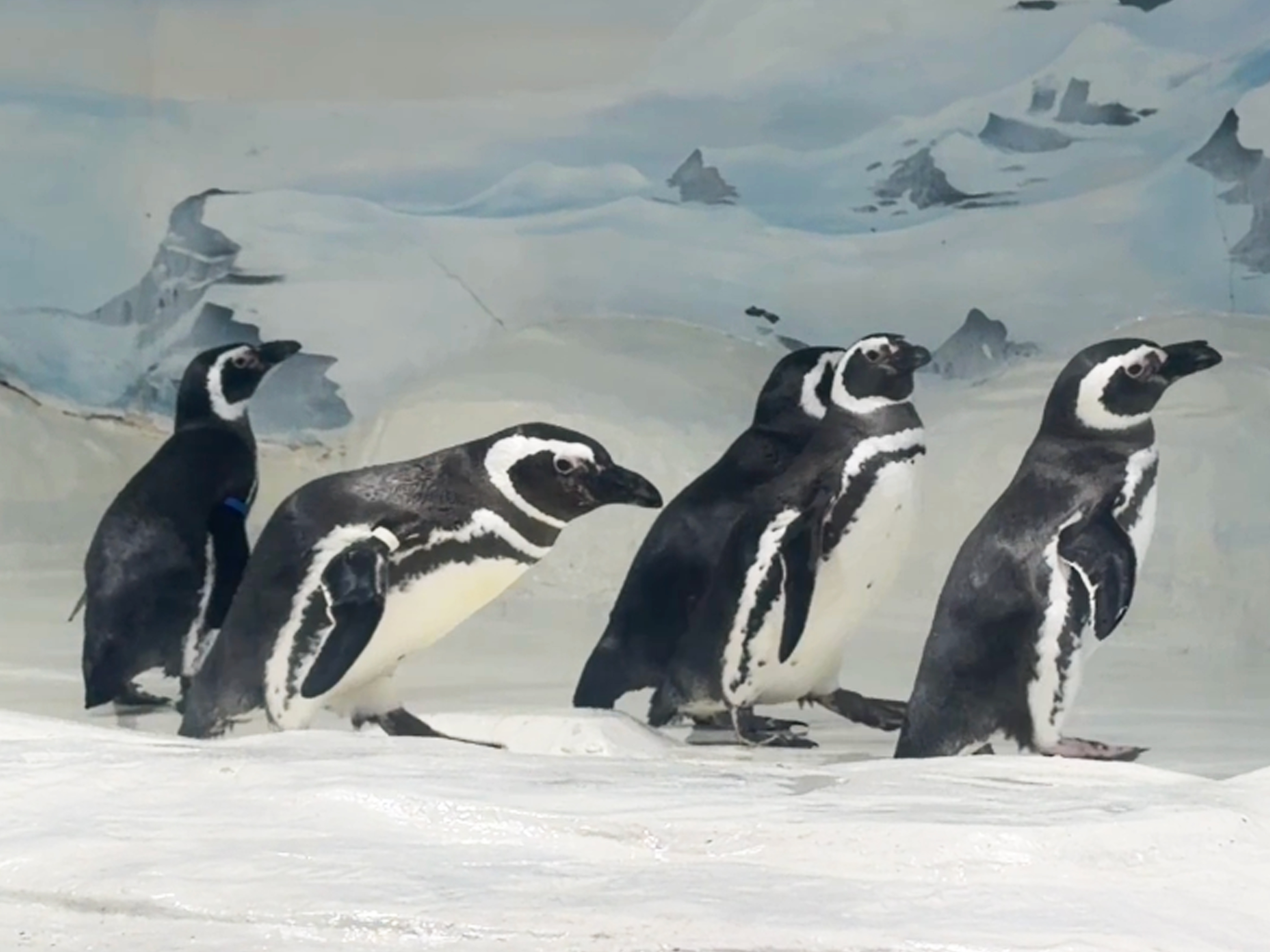
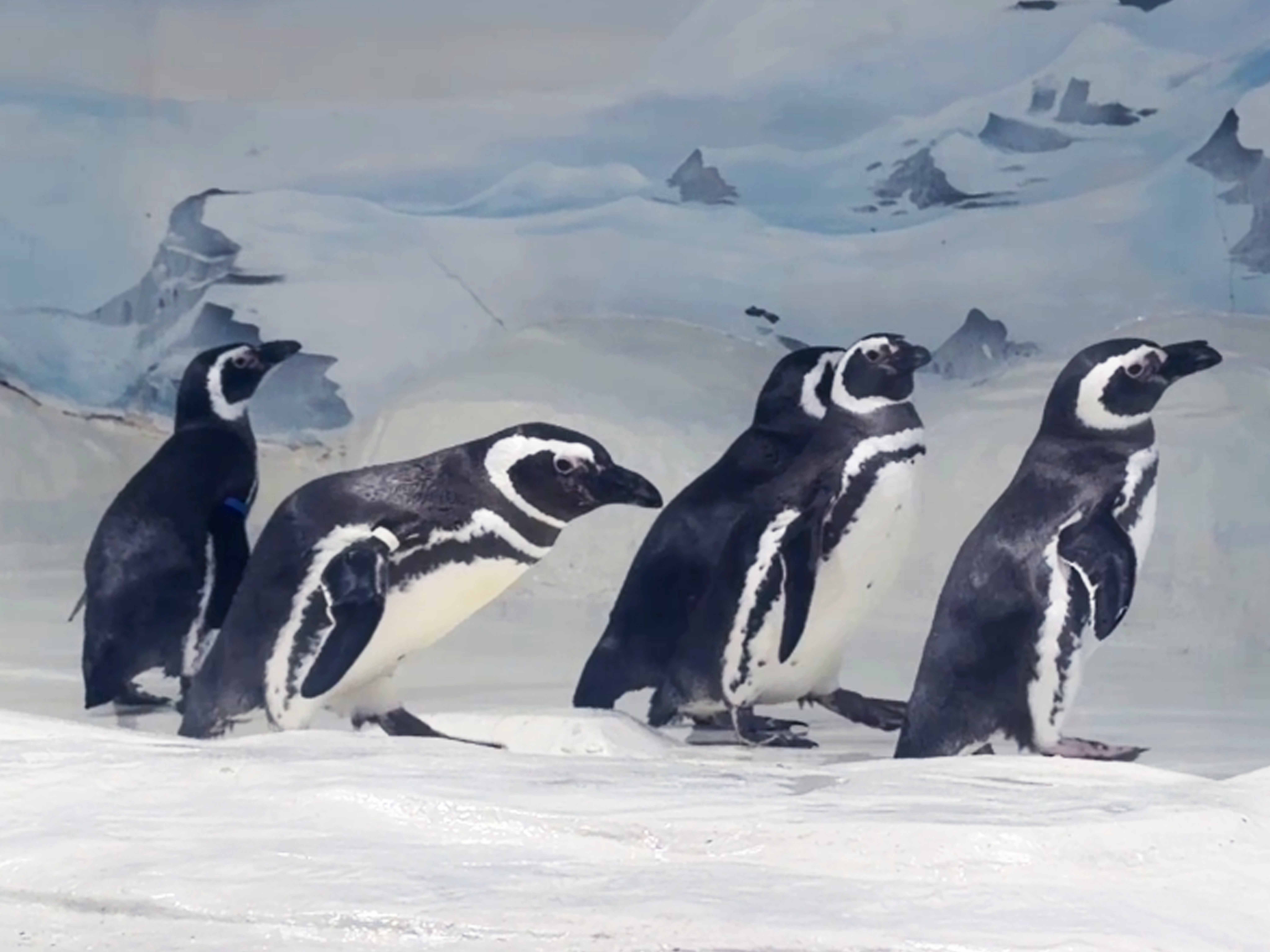
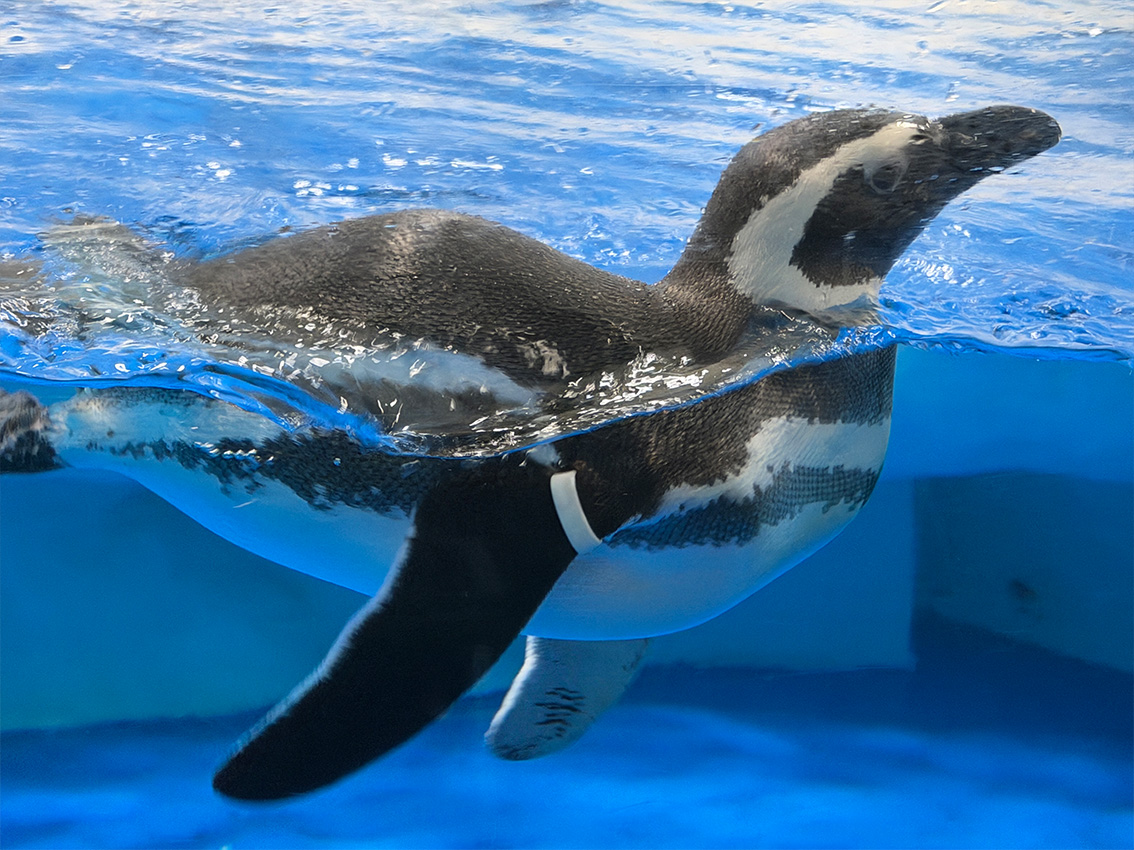
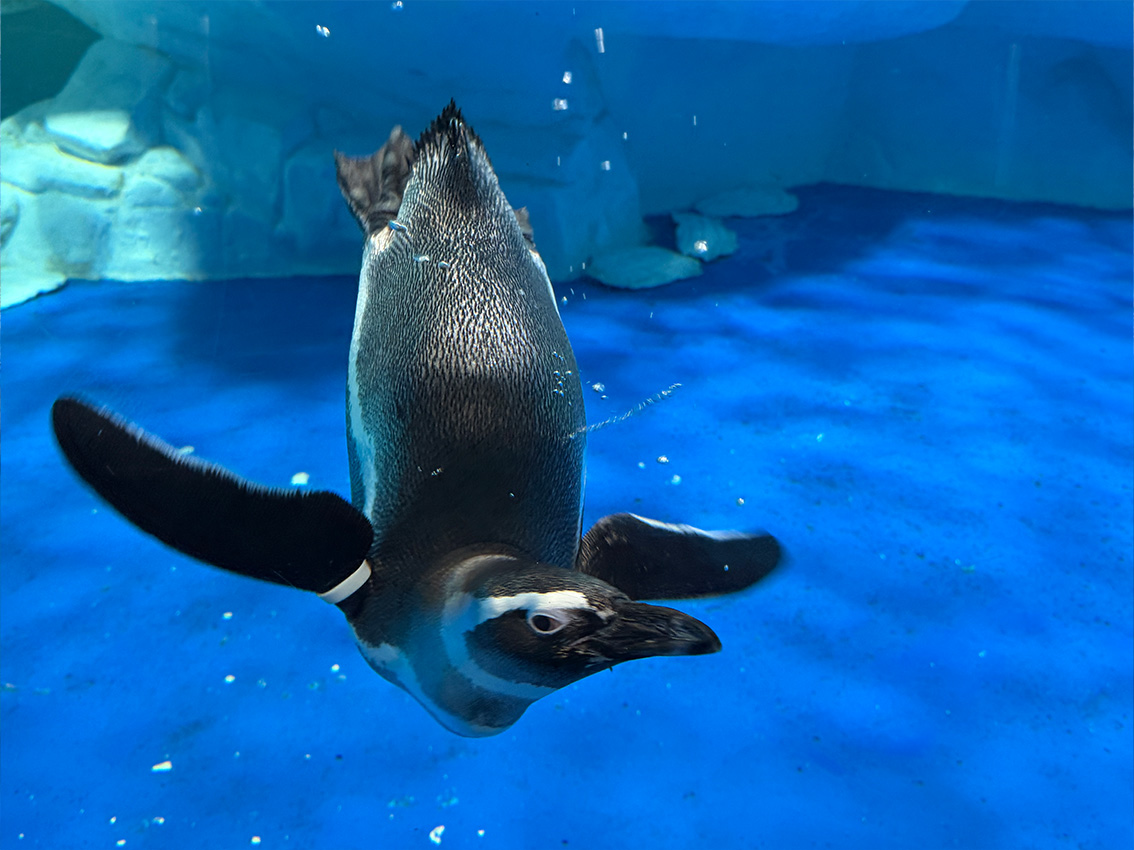
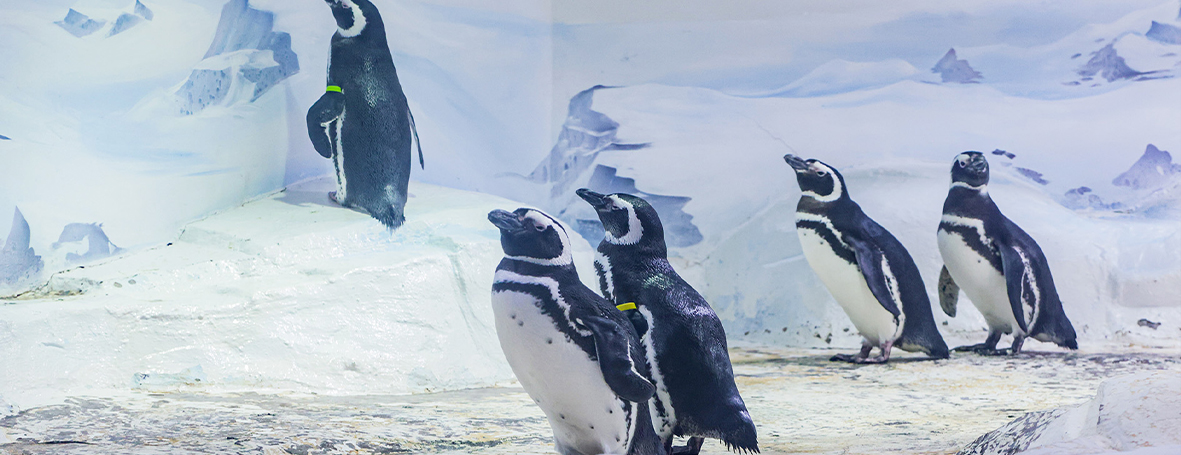
Amid the sound of howling winds, penguins await your arrival, dressed in their signature “tuxedo” plumage. As they waddle gracefully through the chilly environment, their charming movements bring warmth and delight to this icy world.
Introduction
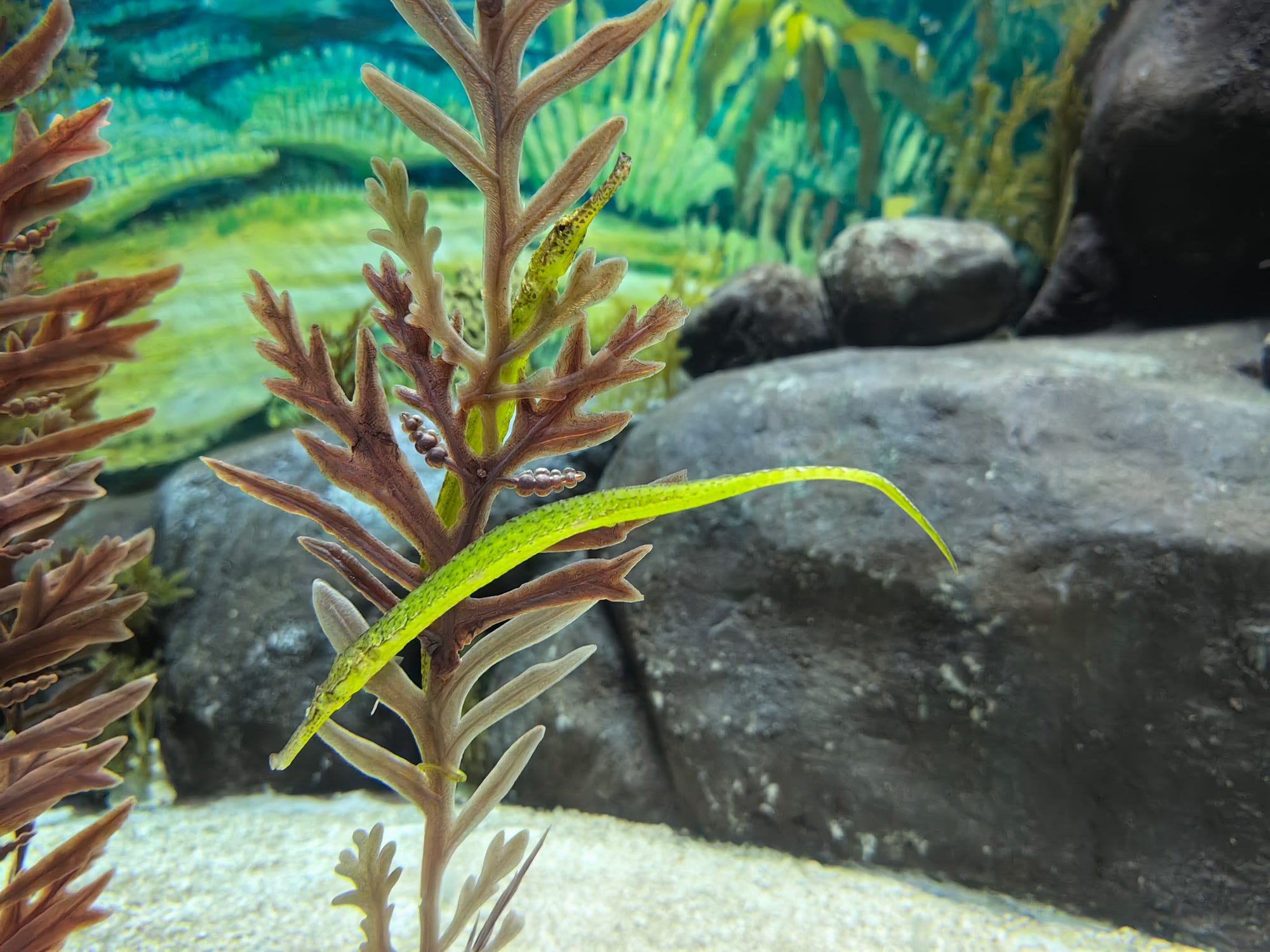
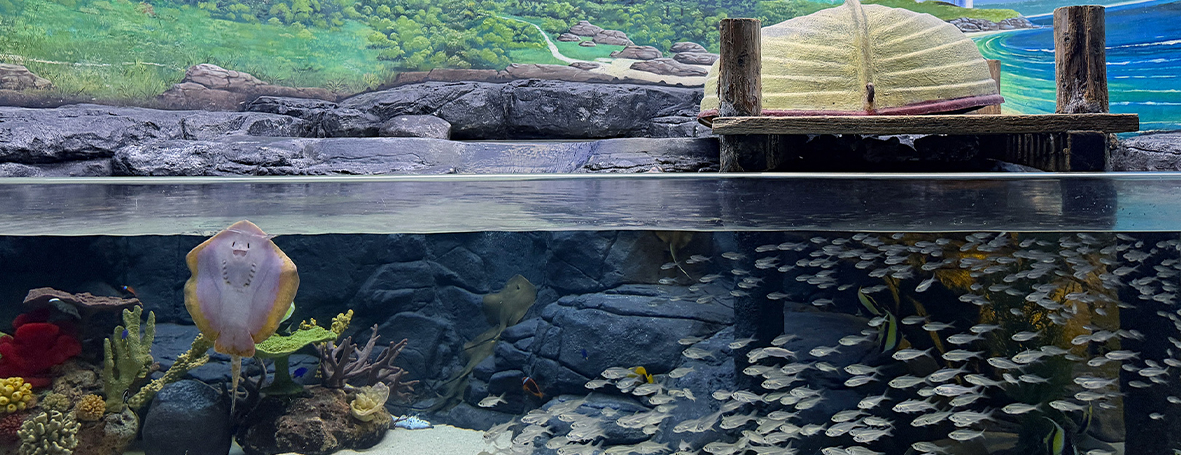
A vibrant showcase of marine biodiversity, this zone highlights the remarkable diversity of forms, colours, and behaviours found in coastal ecosystems.
Introduction
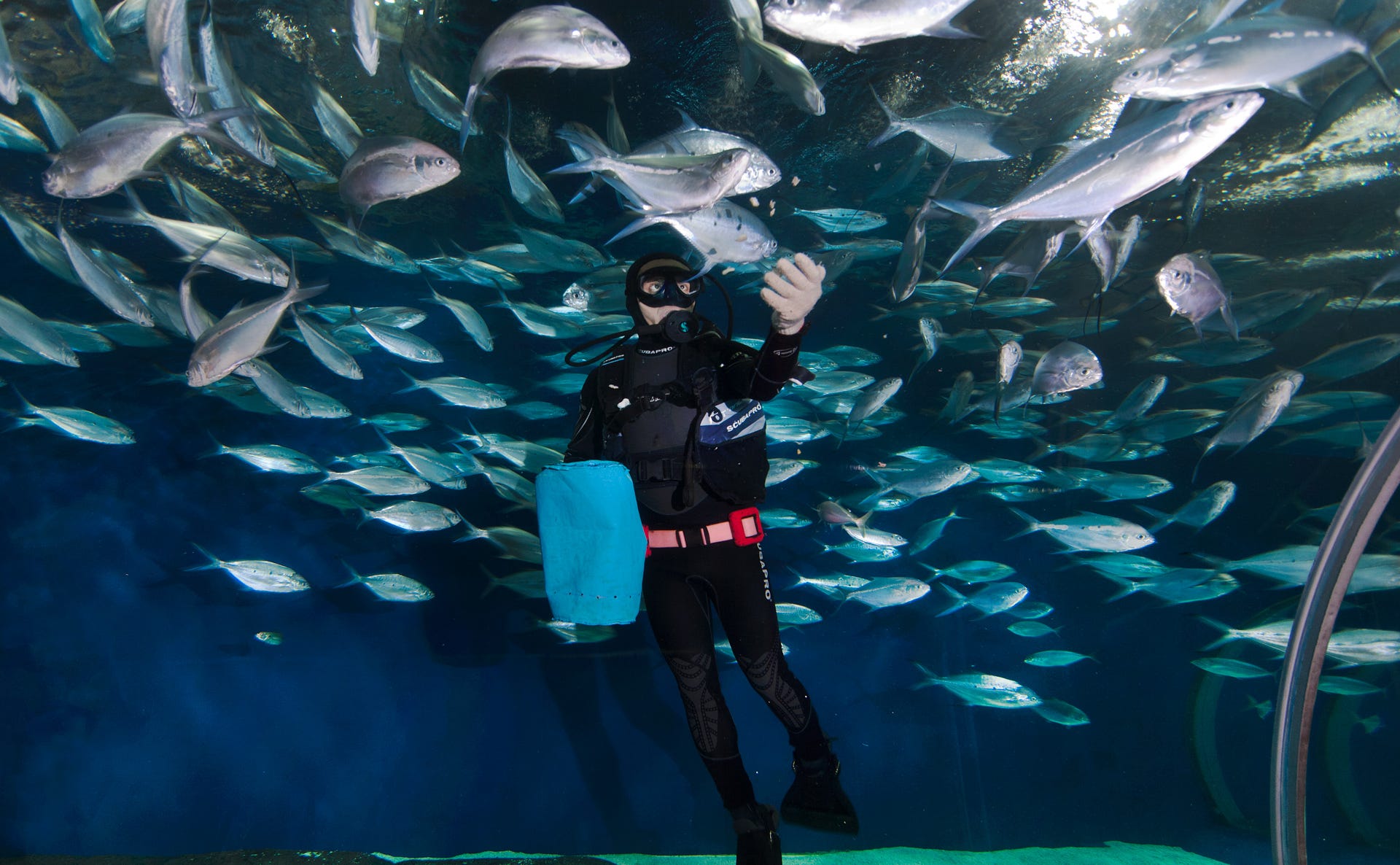
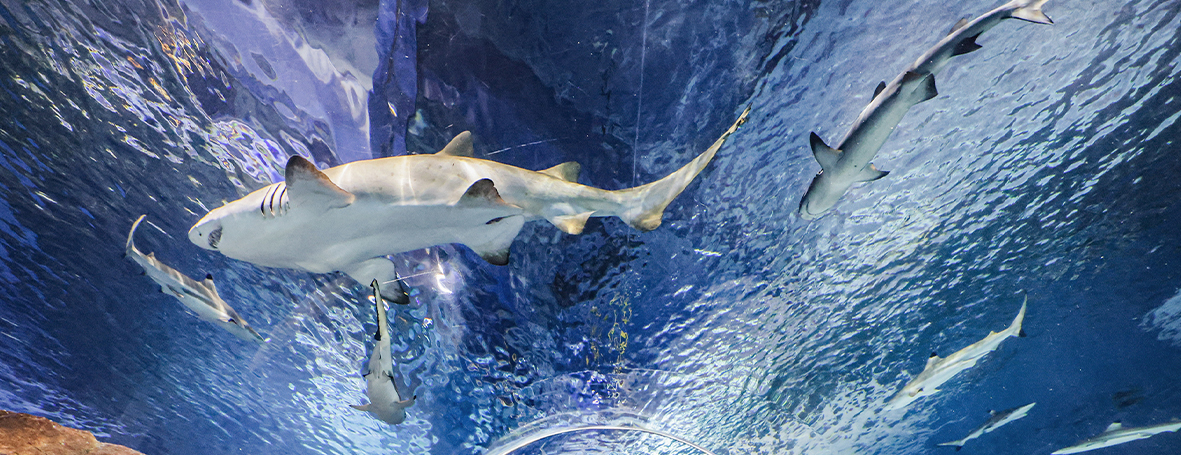
This zone features a spectacular 155-meter underwater tunnel, offering an immersive journey through the open ocean environment. As you walk through, you will be surrounded by a diverse array of marine life, creating the sensation of being beneath the sea.
Introduction
Special exhibitions are presented year-round offering focused insights into specific themes and species.
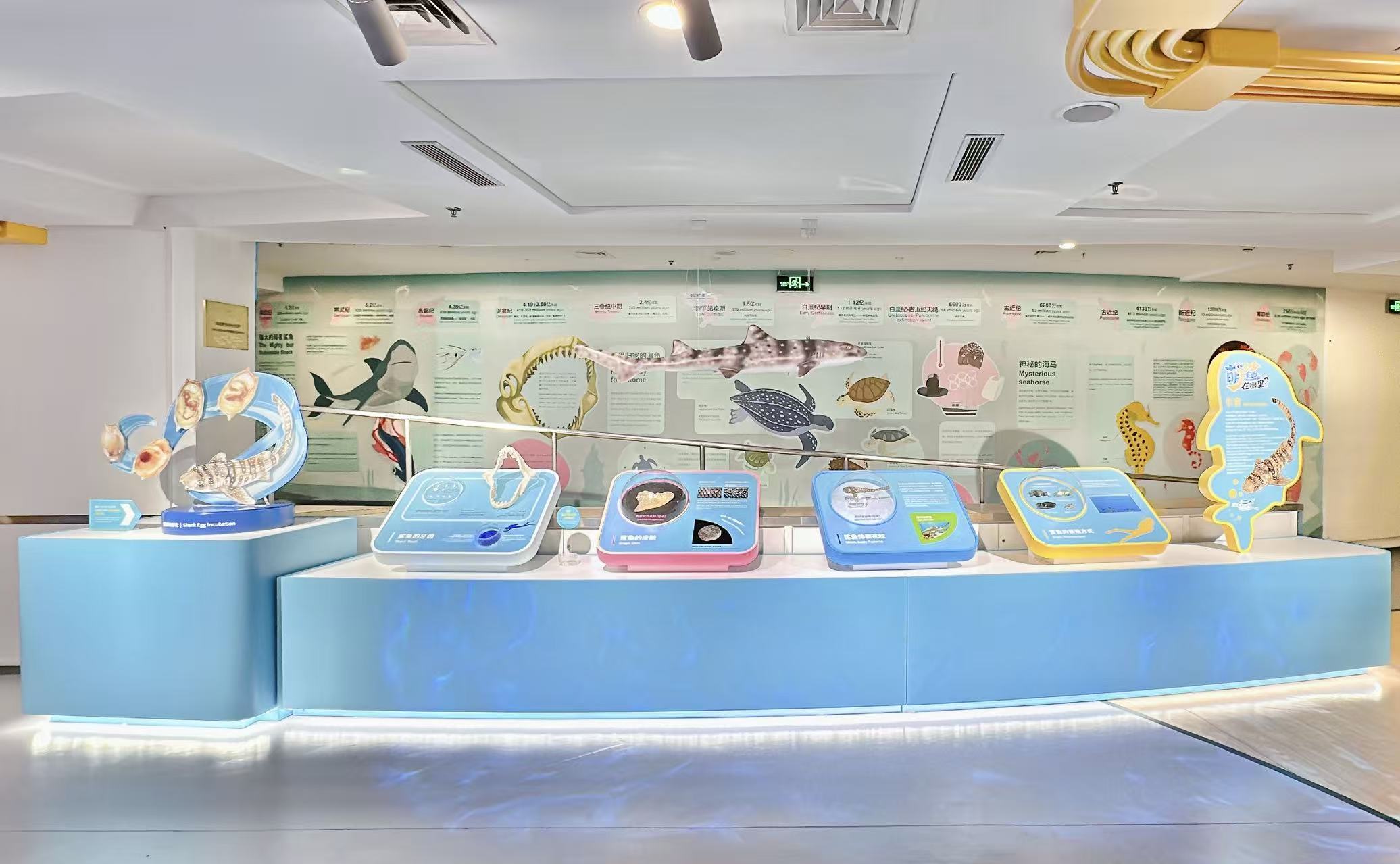
Humans were once merely a part of the natural food chain, but through technological advancement and large-scale organization, have become dominant apex predators. Today, marine biologists warn that sharks—once the ocean’s top predators—may be among the first marine species pushed toward endangerment due to human activities.
The Yangtze River, China’s longest river, is not only a vital lifeline for human civilization but also a cradle of biodiversity. Its basin supports more than half of China’s aquatic species, including over 300 species of fish.
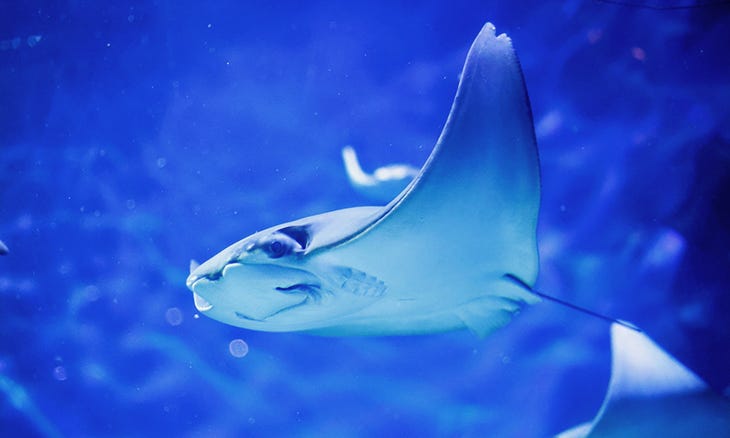
Cownose Ray
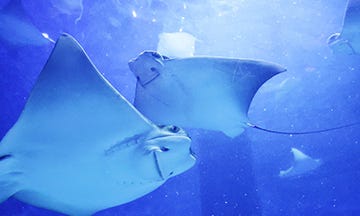
Cownose Ray

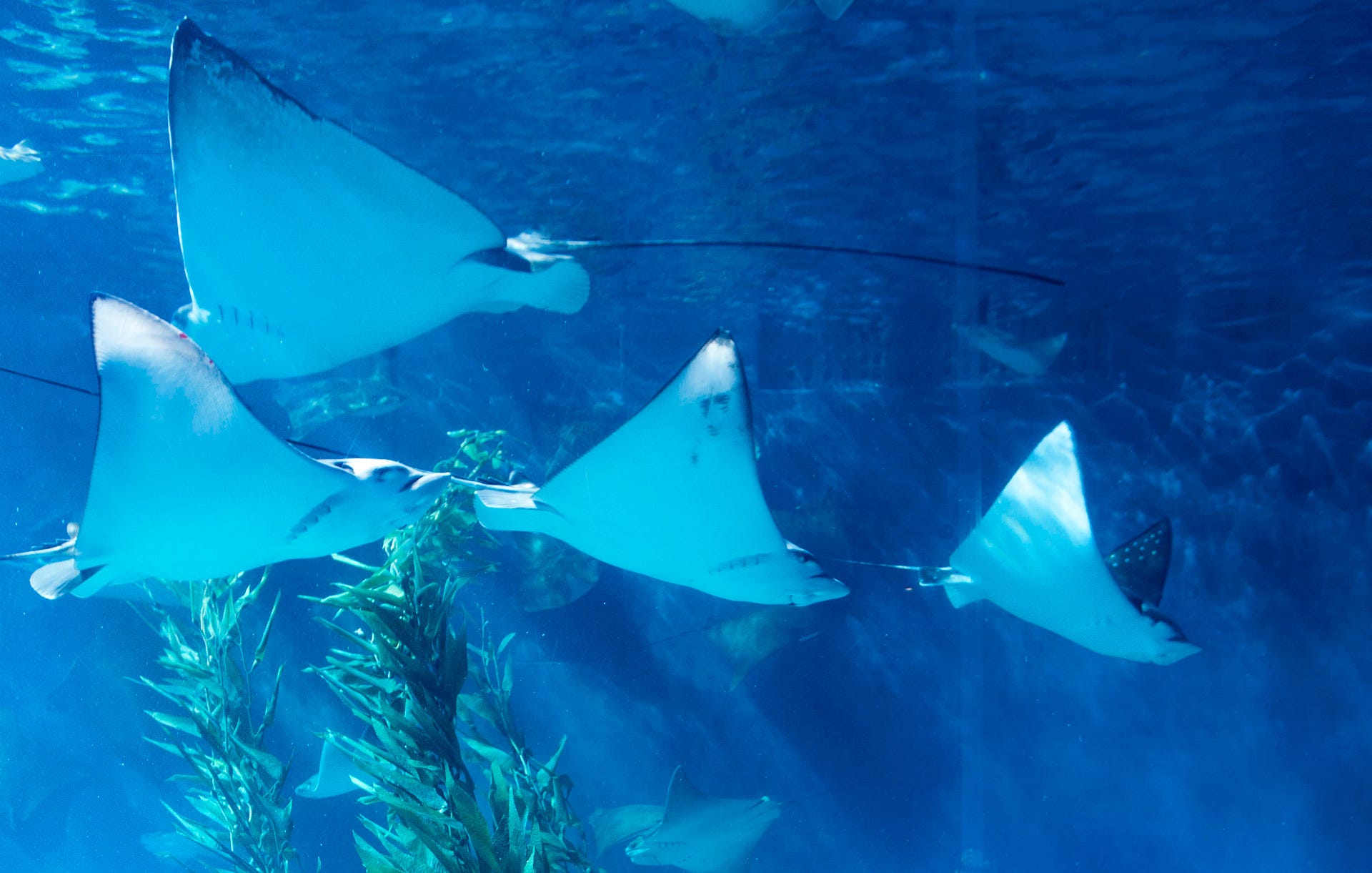
The cownose ray is widely distributed across the Indo-Pacific region. It inhabits shallow coastal waters, coral reefs, estuaries, and lagoons. Known for its graceful, wing-like swimming, this species often forms large schools. However, its population has been declining significantly due to overfishing and habitat pressures.
Cownose Ray

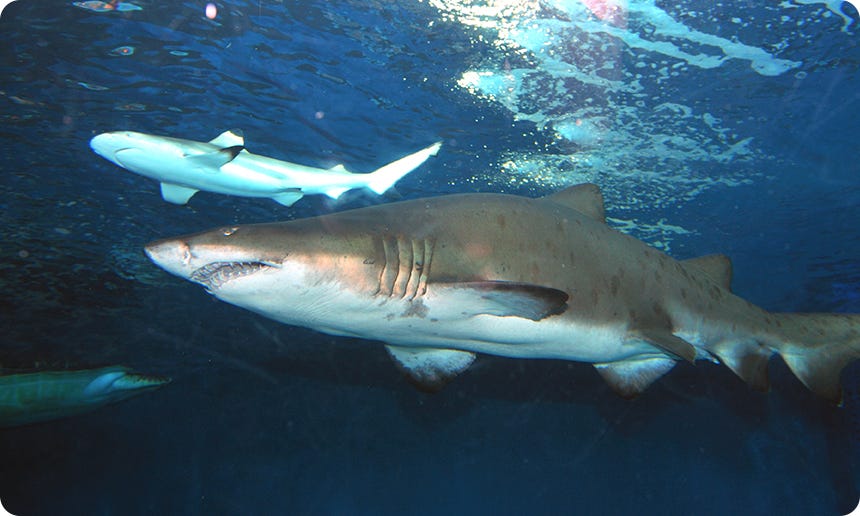
Sand Tiger Shark

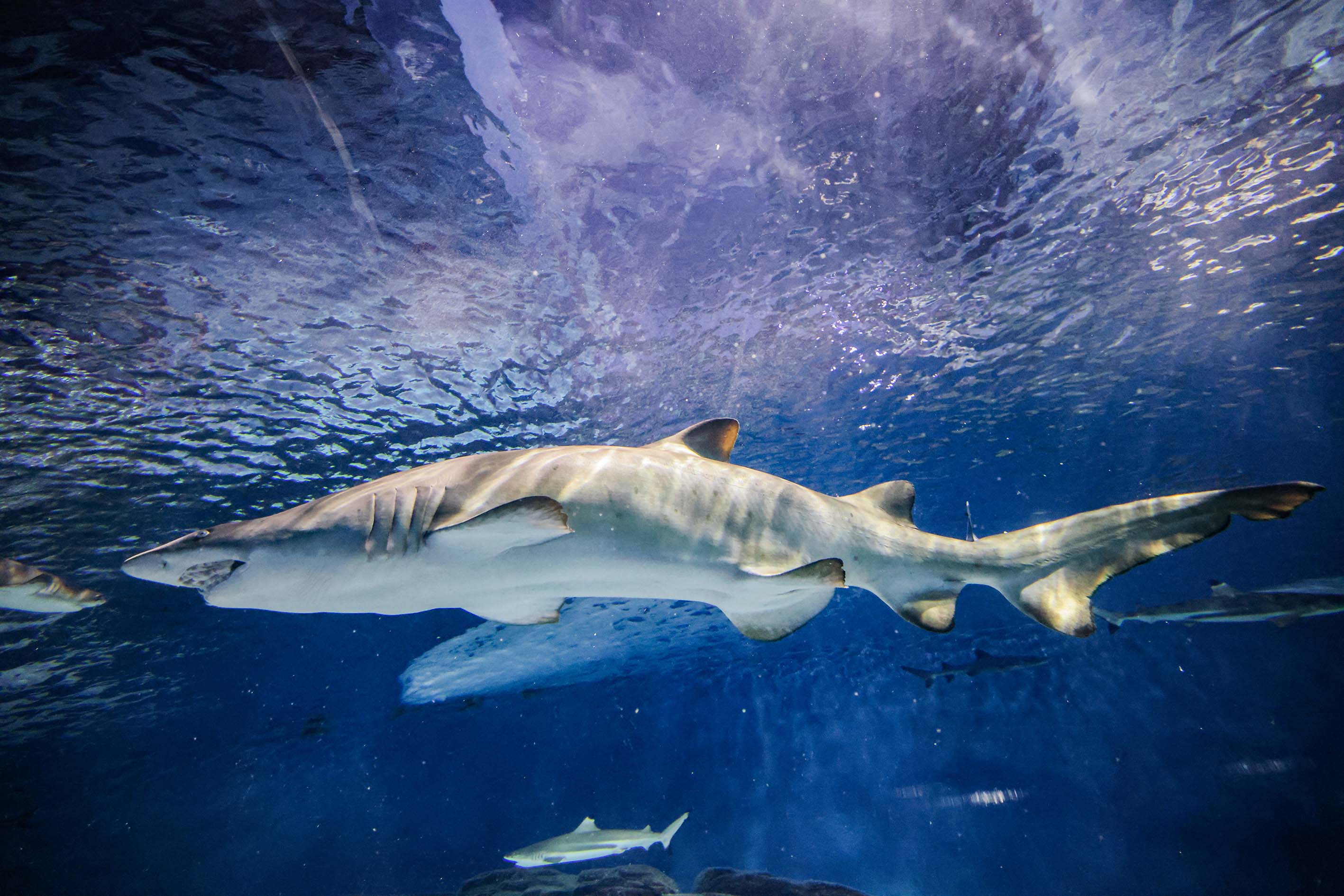
The sand tiger shark is a large coastal shark that can grow up to 3 meters in length. It has a robust body and distinctive protruding teeth. Primarily nocturnal, it preys on bony fish, squid, and crustaceans. This species is ovoviviparous, meaning embryos develop inside eggs that hatch within the mother’s body. Due to overexploitation, it is now considered a protected species.
Sand Tiger Shark
  • Green Sea Turtle
  • Green Sea Turtle

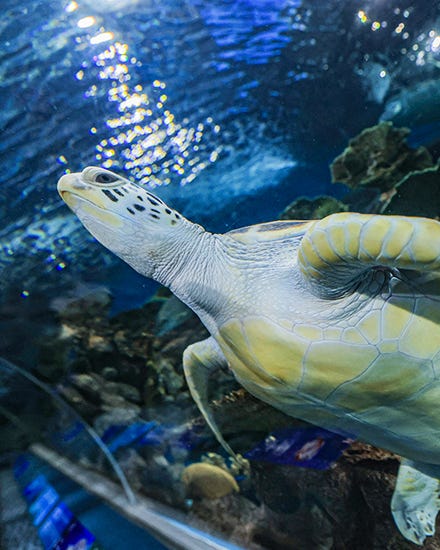
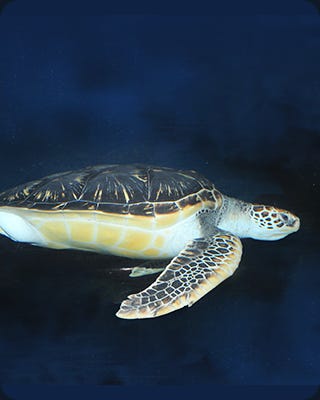
Green Sea Turtle

The green sea turtle is a marine reptile widely distributed across tropical and subtropical oceans. It spends most of its life in the sea and is primarily herbivorous, feeding on seagrasses and marine algae. A defining characteristic of the species is its strong natal homing instinct—adult females return to the very beaches where they were born to lay their eggs.
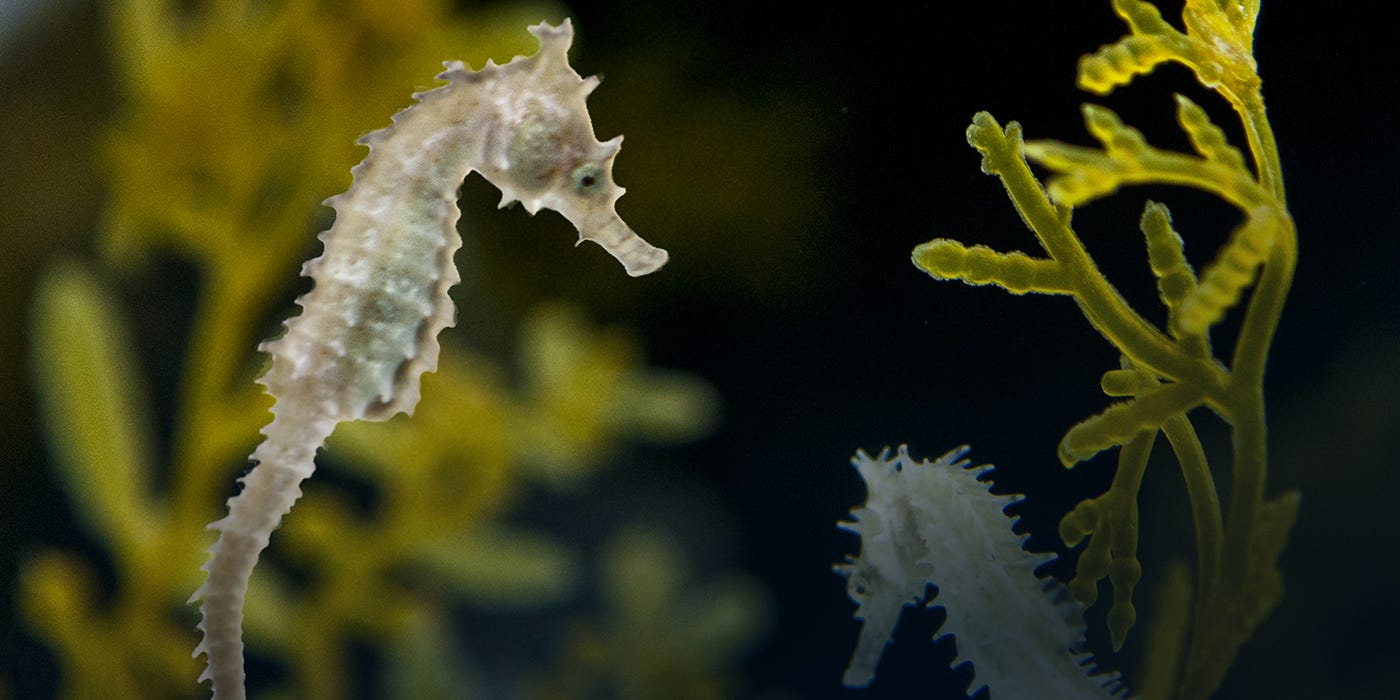
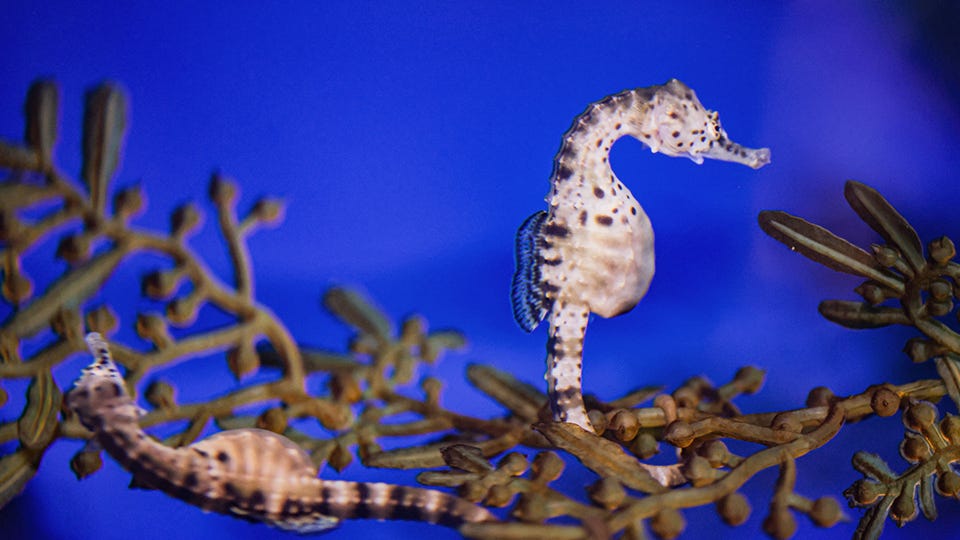
Pot-bellied Seahorse

Pot-bellied Seahorse

One of the largest seahorse species in the world, reaching up to 35 centimeters in length, the pot-bellied seahorse is often regarded as the “giant” of its kind. It is a slow swimmer and uses its prehensile tail to anchor itself to seagrass and other structures. Notably, its eyes can move independently, allowing it to observe its surroundings with remarkable precision.

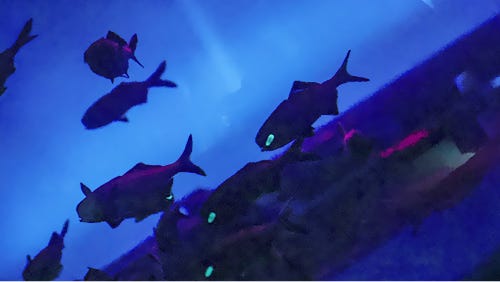
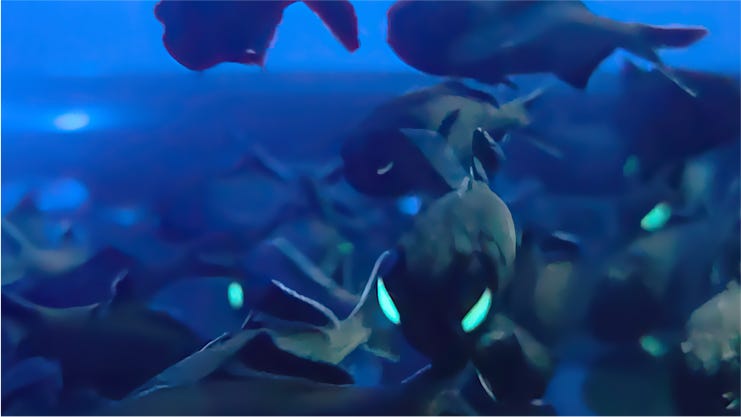
Flashlight Fish

Distributed across Indo-Pacific coral reef habitats at depths ranging from 200 meters to 400 meters, flashlight fish are nocturnal and typically found in schools. They possess bioluminescent organs beneath their eyes, which contain symbiotic bacteria that emit light. This adaptation aids in communication, camouflage, and locating prey in low-light environments.
Flashlight Fish
Flashlight Fish

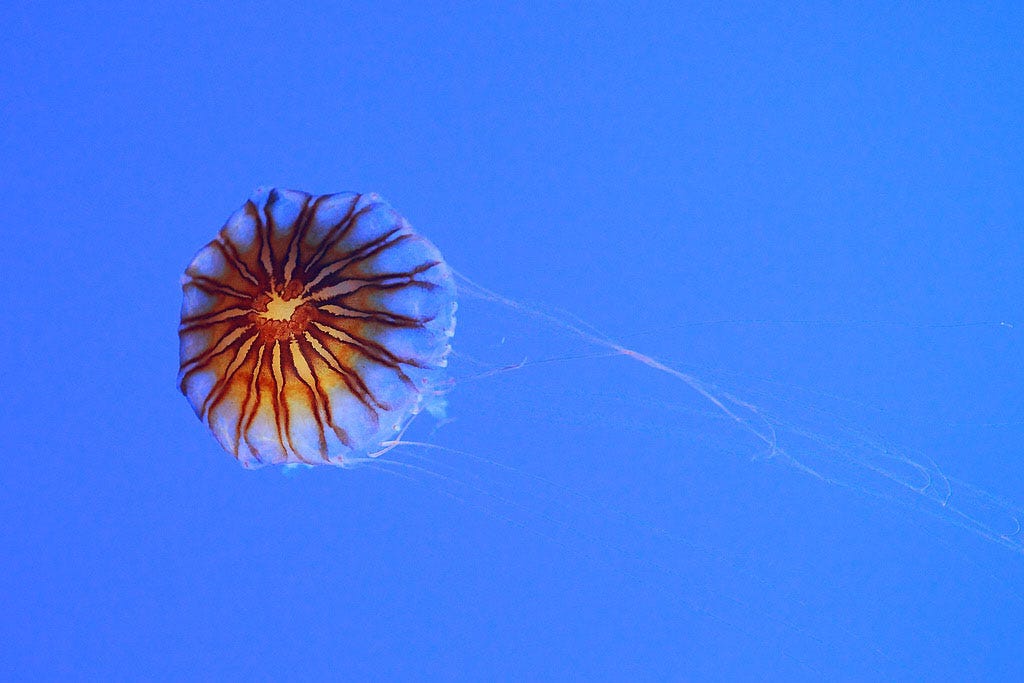
Pacific Sea Nettles

Pacific Sea Nettles inhabit the temperate waters of the North Pacific. They feature a stunning golden-brown bell and slender tentacles up to several meters long, so they're also called "Pacific Golden Jellyfish." Their mild sting is generally harmless to humans. Their Latin name "Chrysaor" comes from Chrysaor, Medusa's son—legend says he was born clutching a golden sword in his hand.
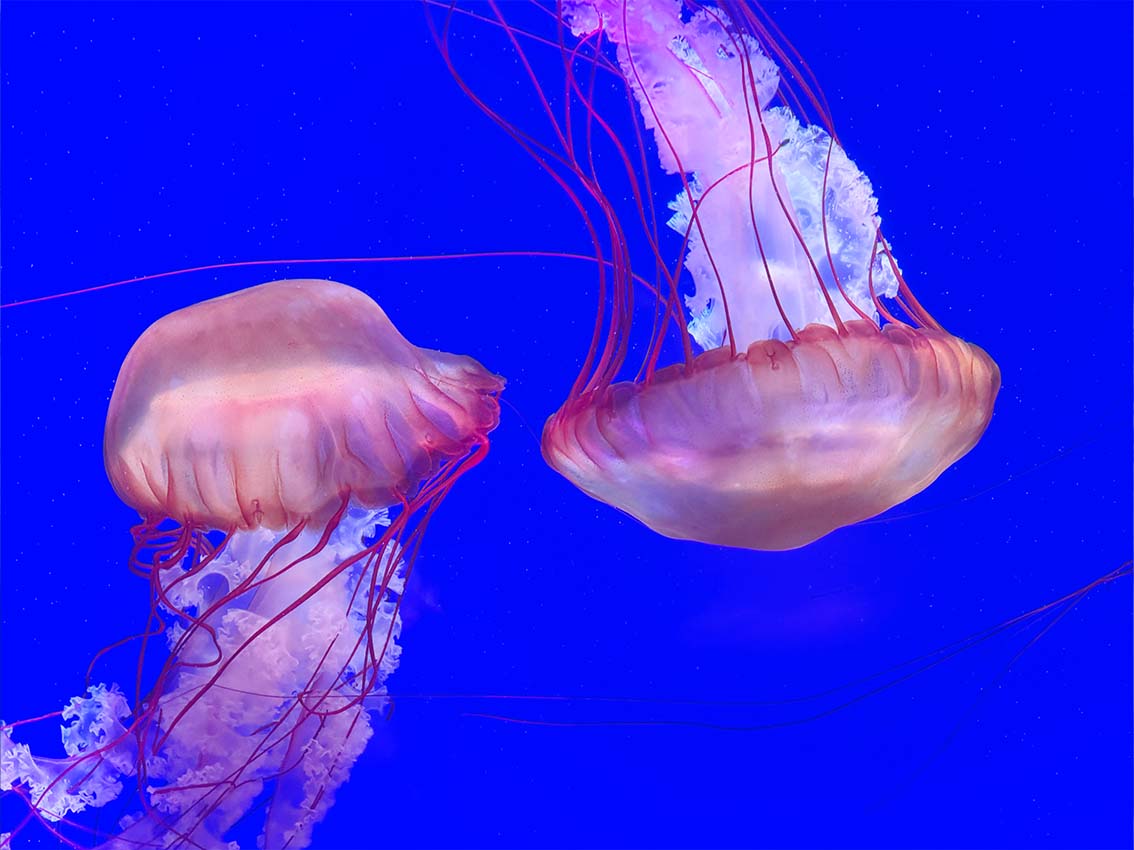

Pacific Sea Nettles

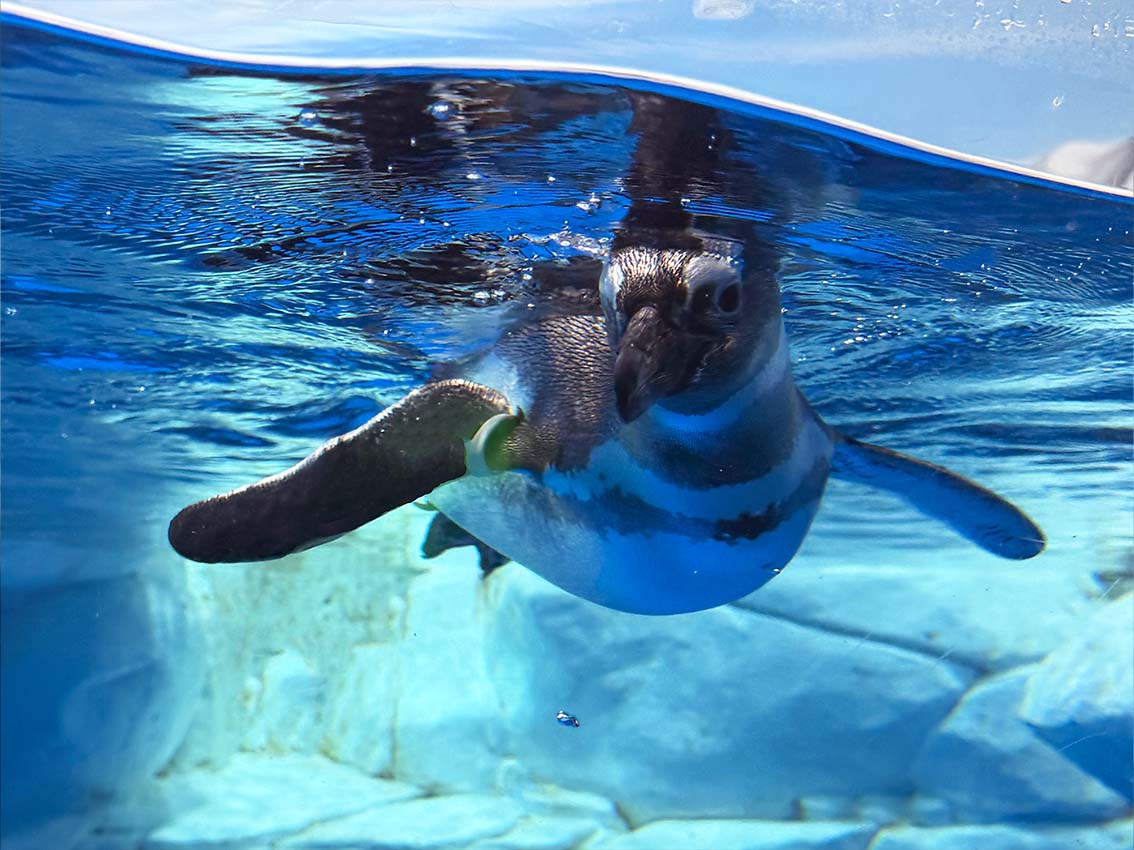
Magellanic Penguin

Also known as the South American penguin, the Magellanic penguin is the largest species within the genus Spheniscus. It is commonly found along the coastal regions of Argentina, Chile, and the Falkland Islands. Adults typically reach about 70 centimeters in height and weigh around 4 kilograms. They are distinguished by their black heads and a prominent white band that runs from behind the eyes down toward the throat.
Magellanic Penguin
Magellanic Penguin

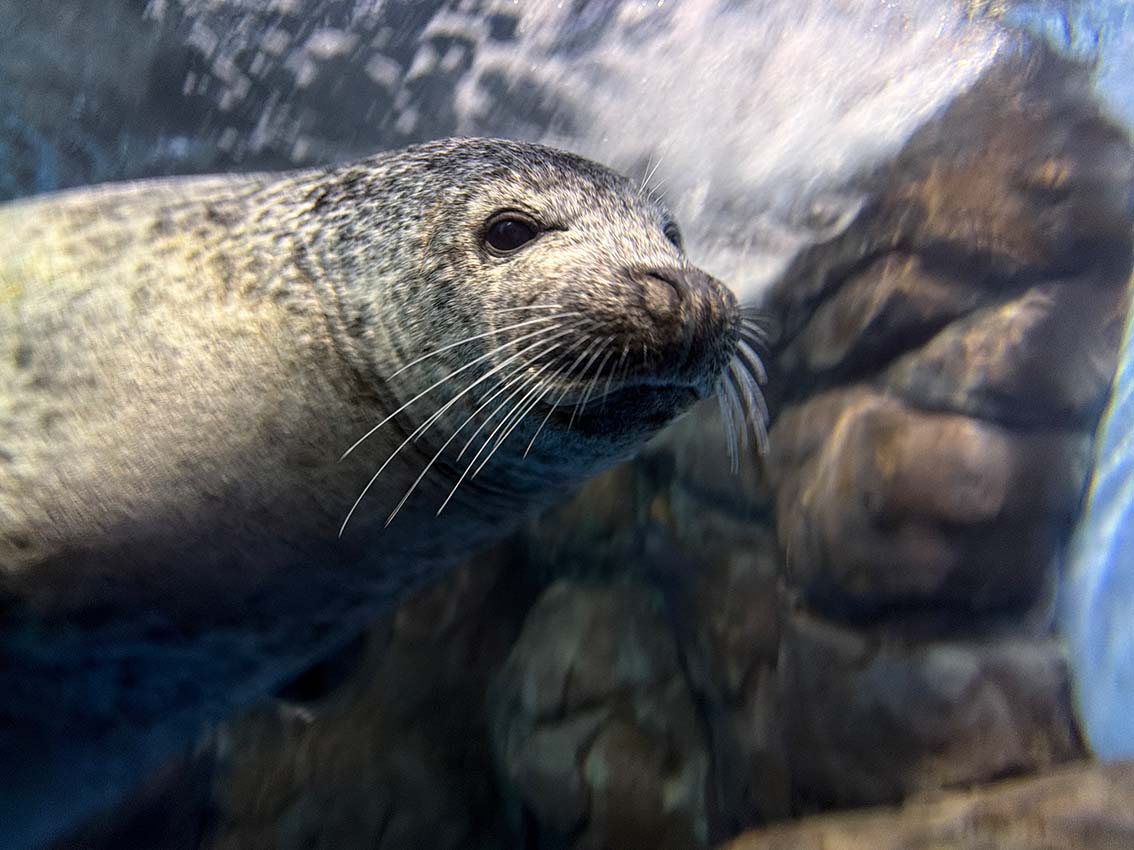
Spotted Seal

The spotted seal belongs to the pinniped group and primarily inhabits the icy waters of Liaodong Bay. It is the only seal species that breeds within China. Recognizable by its distinctive spotted coat, this species is well adapted to cold environments. Newborn pups are covered in pure white fur, allowing them to blend seamlessly into snowy surroundings and avoid predators.
Spotted Seal
Spotted Seal
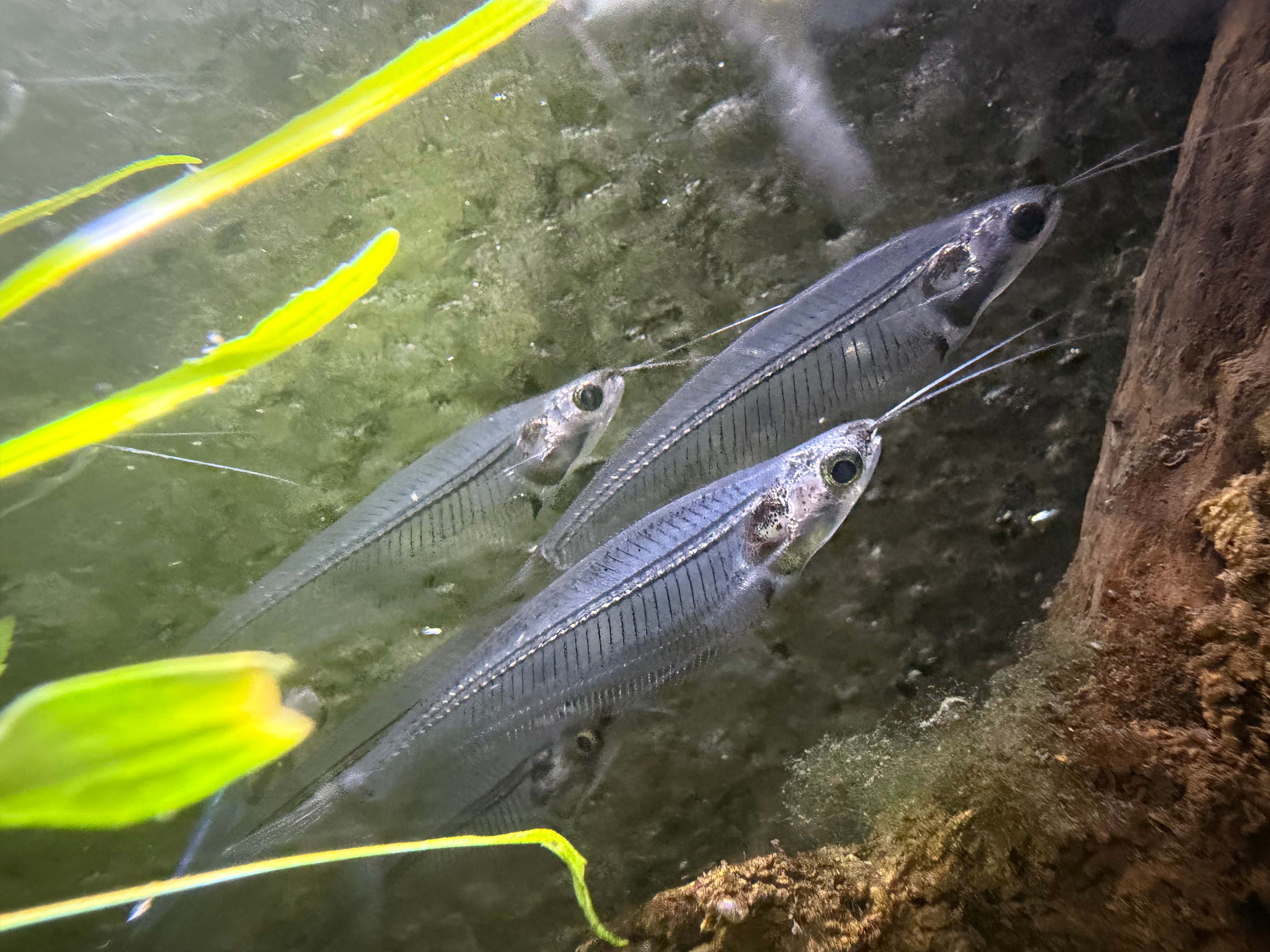
Glass Catfish

Glass Catfish

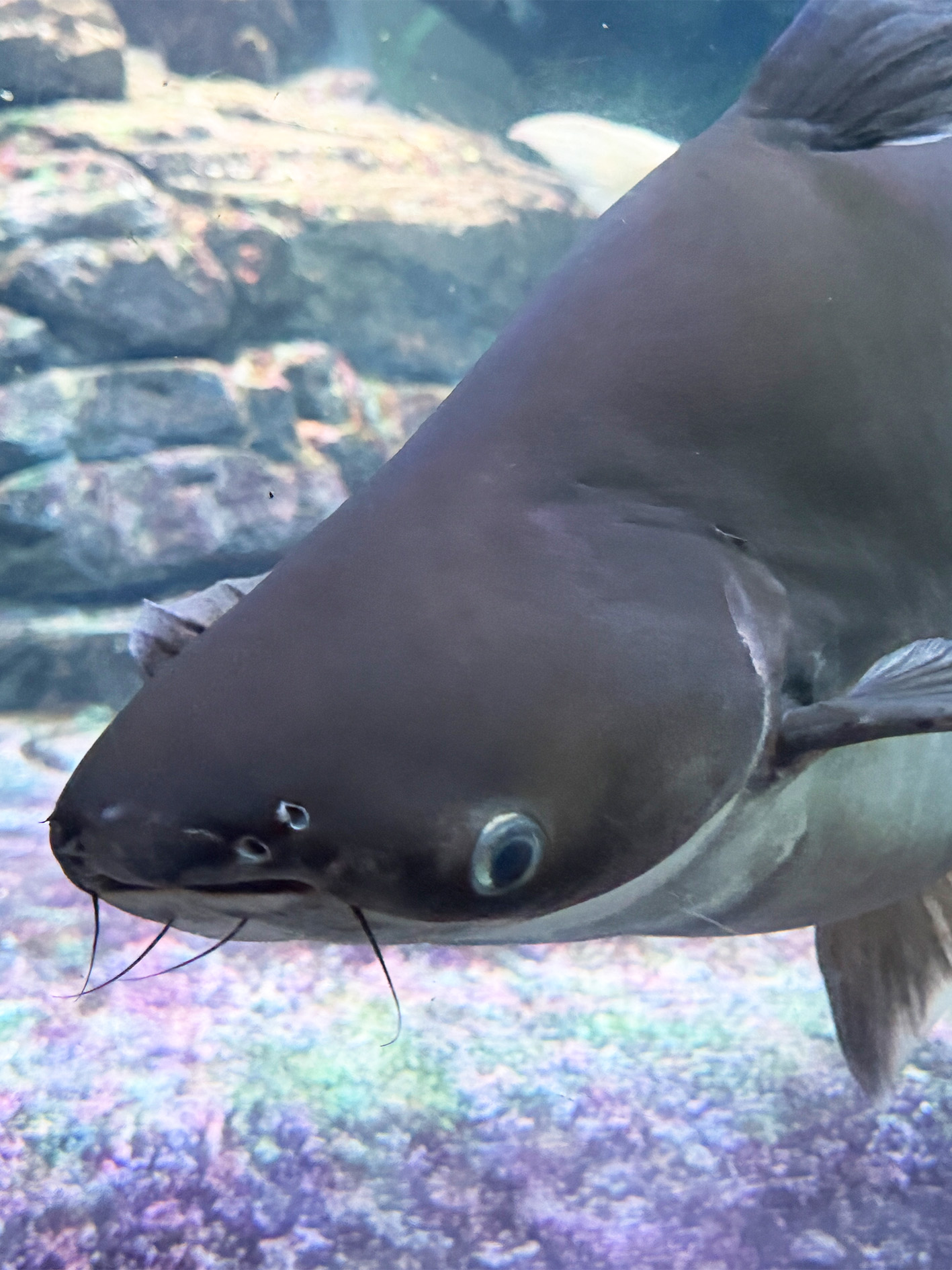
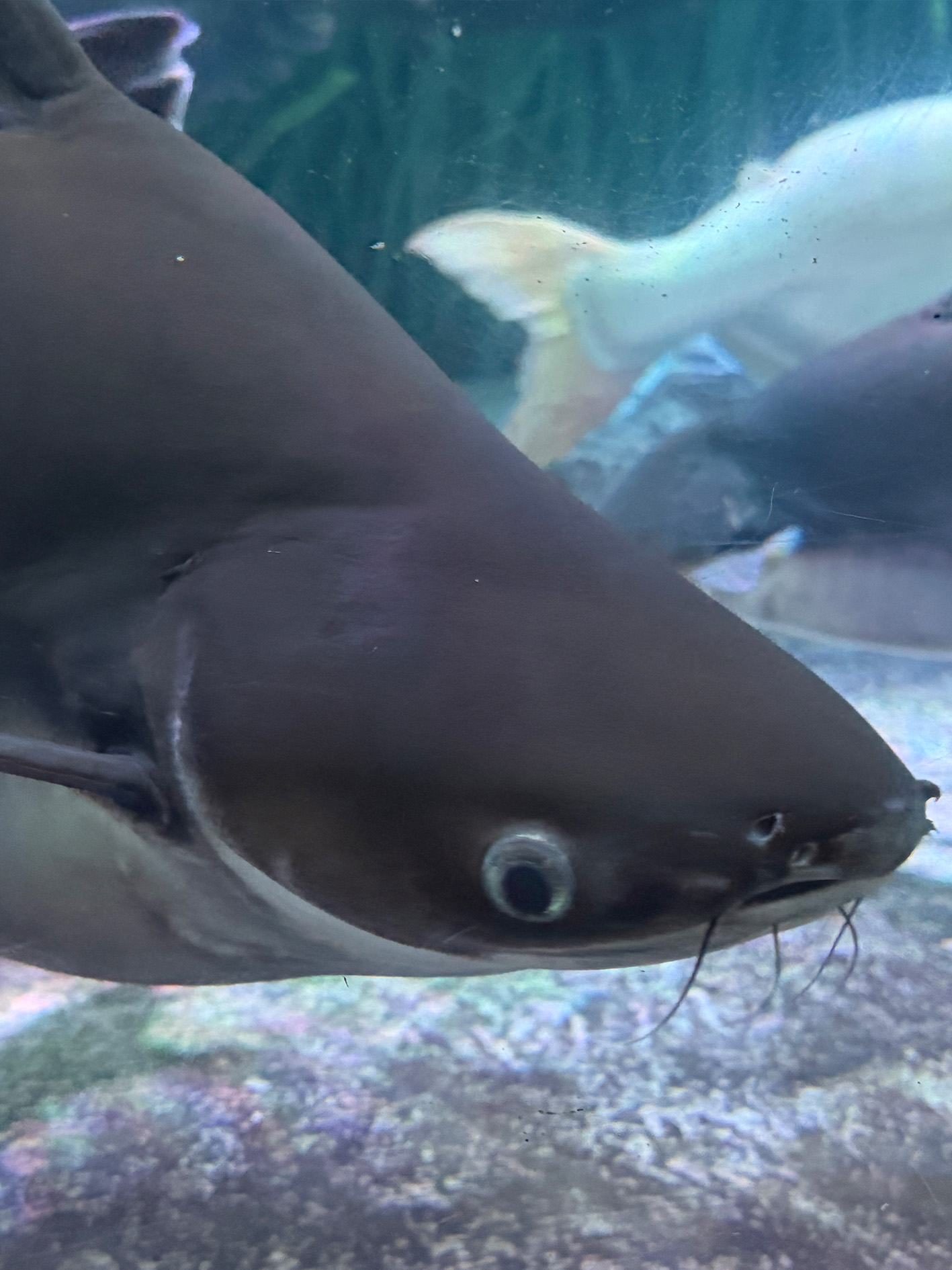
Also known as Kryptopterus, the glass catfish can grow up to 15 centimeters in length. Its nearly transparent body reveals its spine and internal organs, with a distinctive reddish-purple patch behind the gill cover. Native to the Mekong and Chao Phraya river systems, it is a peaceful, schooling fish with nocturnal and omnivorous feeding habits. It is valued both as an ornamental species and, in some regions, as a food source.
Glass Catfish

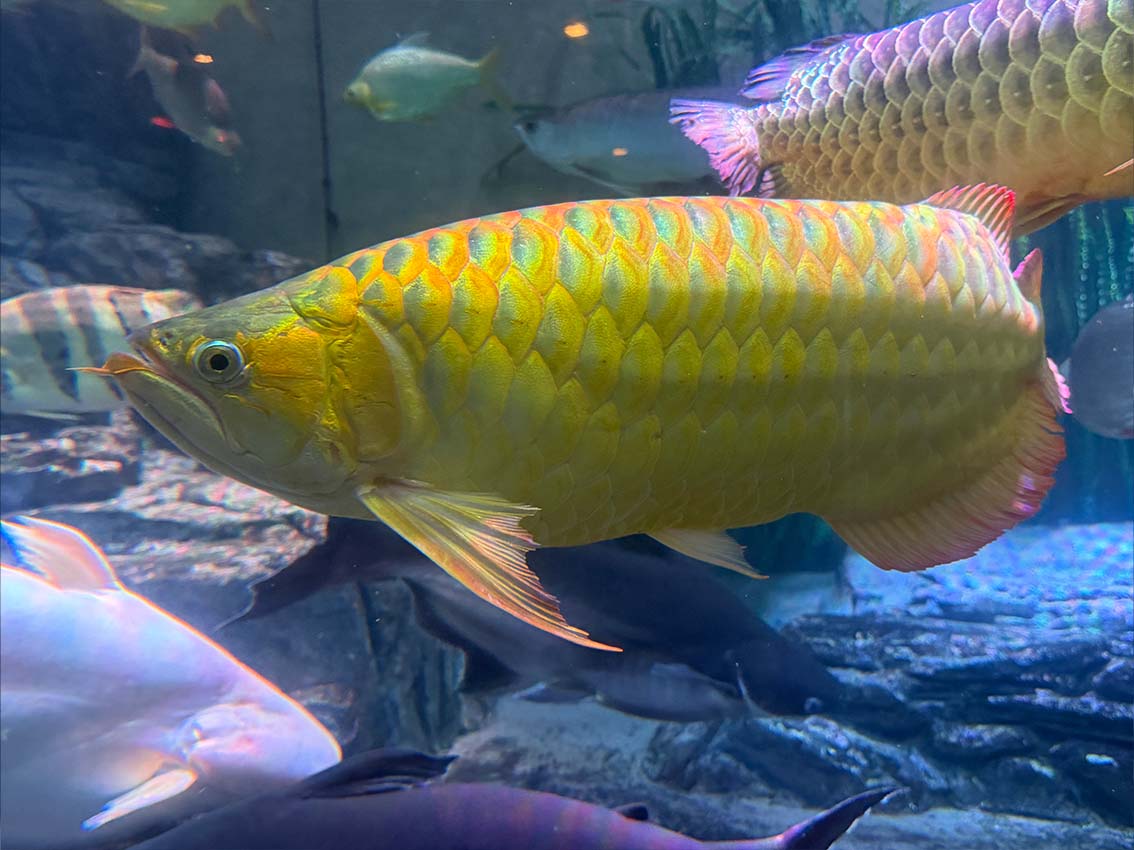
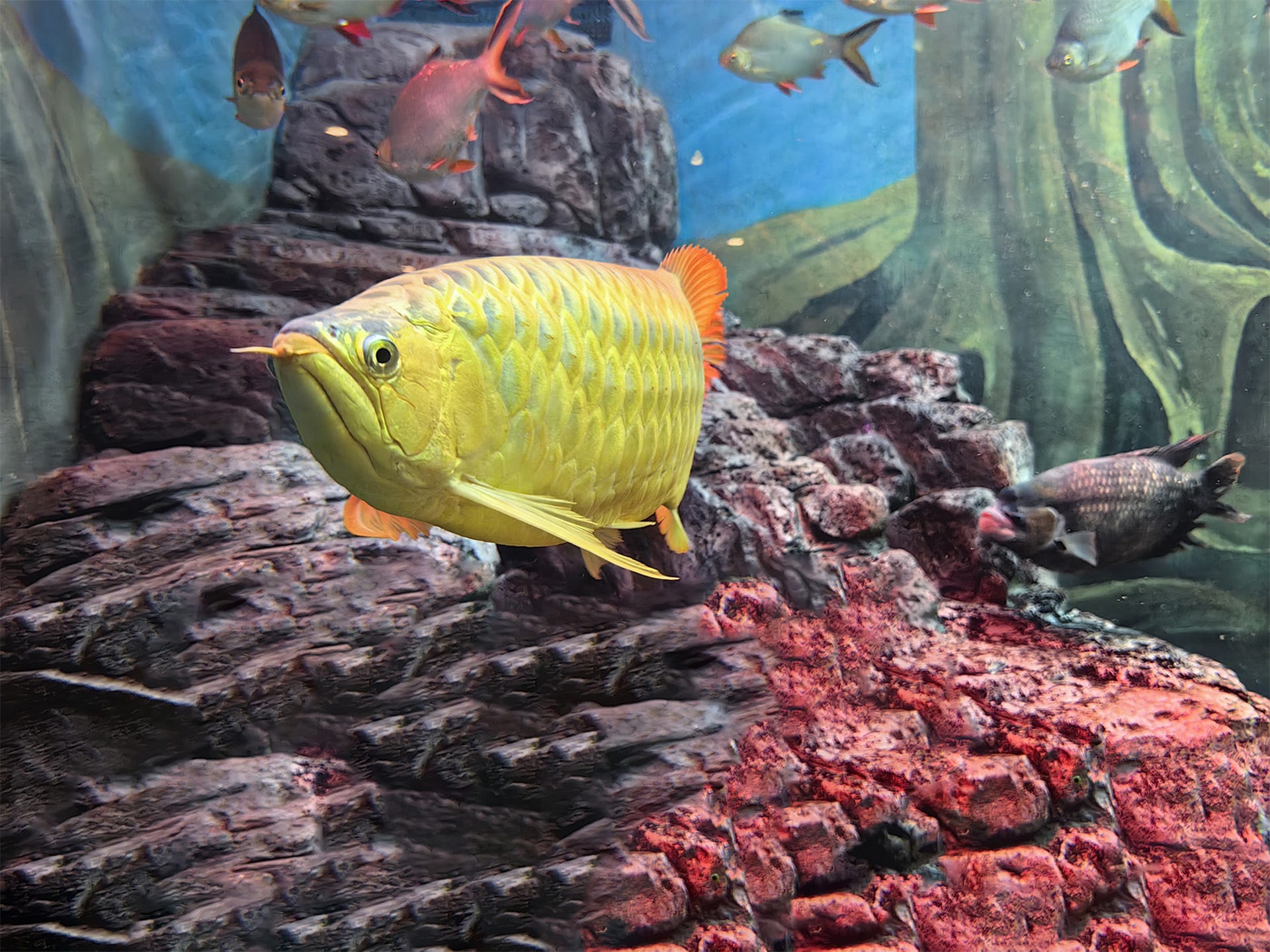
Asian Arowana

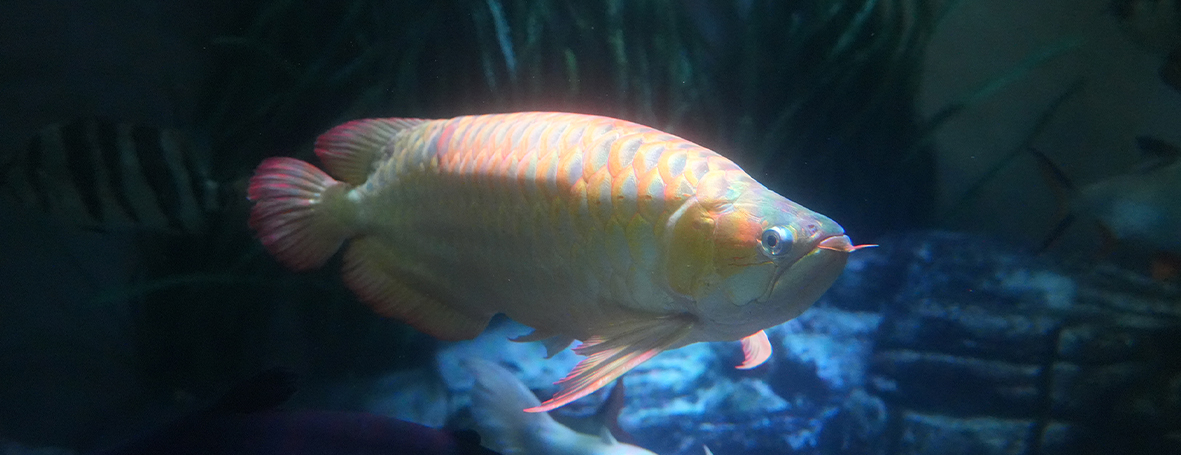
Commonly referred to as the dragon fish, the Asian arowana is known for its elongated body and metallic, plate-like scales. Native to Southeast Asia—including Malaysia, Indonesia, Vietnam, and Cambodia—it is regarded as a “living fossil” and is highly prized in the ornamental fish trade.
Asian Arowana
  • Chitala (Featherback Fish)
  • Chitala (Featherback Fish)

Chitala (Featherback Fish)

Native to the Mekong and Chao Phraya rivers, this species can grow up to 130 centimeters in length. Juveniles display iridescent, rainbow-like coloration, which gradually fades to a silvery-grey as they mature. It is an omnivorous species, feeding on both plant matter and small animals, and is popular among aquarium enthusiasts for its distinctive appearance.
Zebra Tilapia

Zebra Tilapia

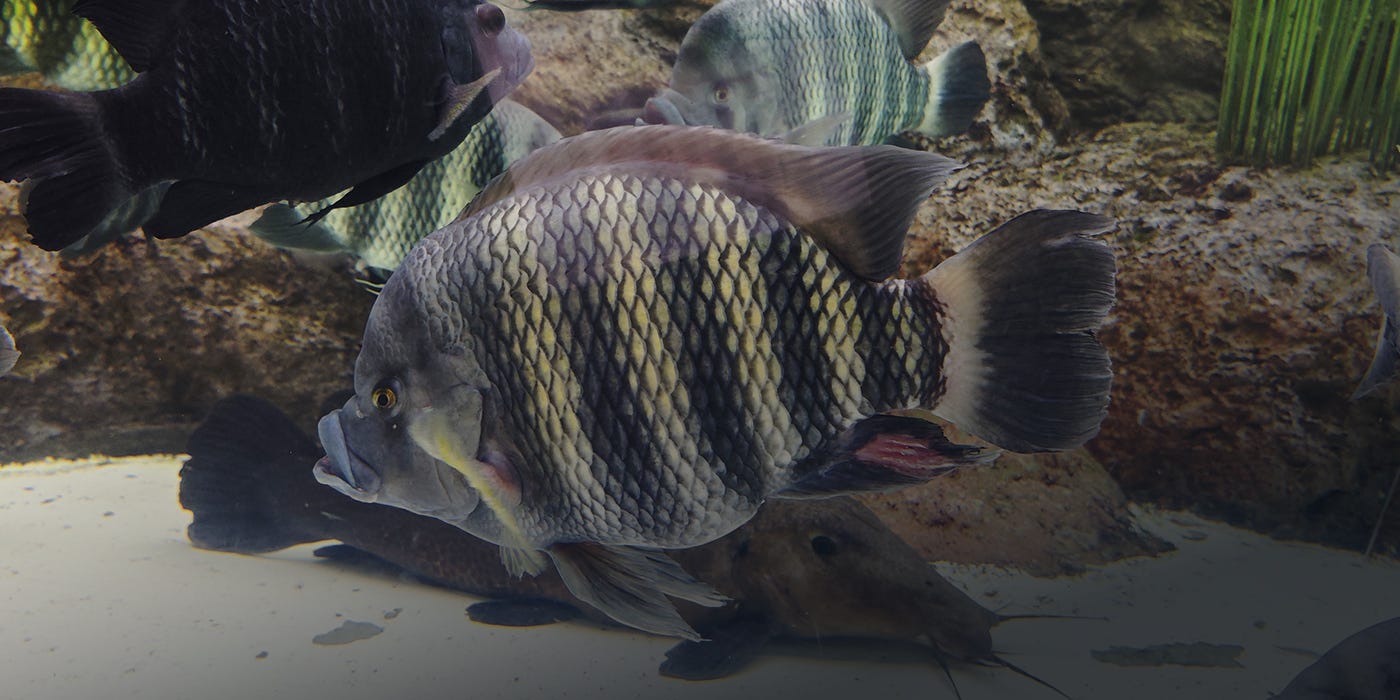
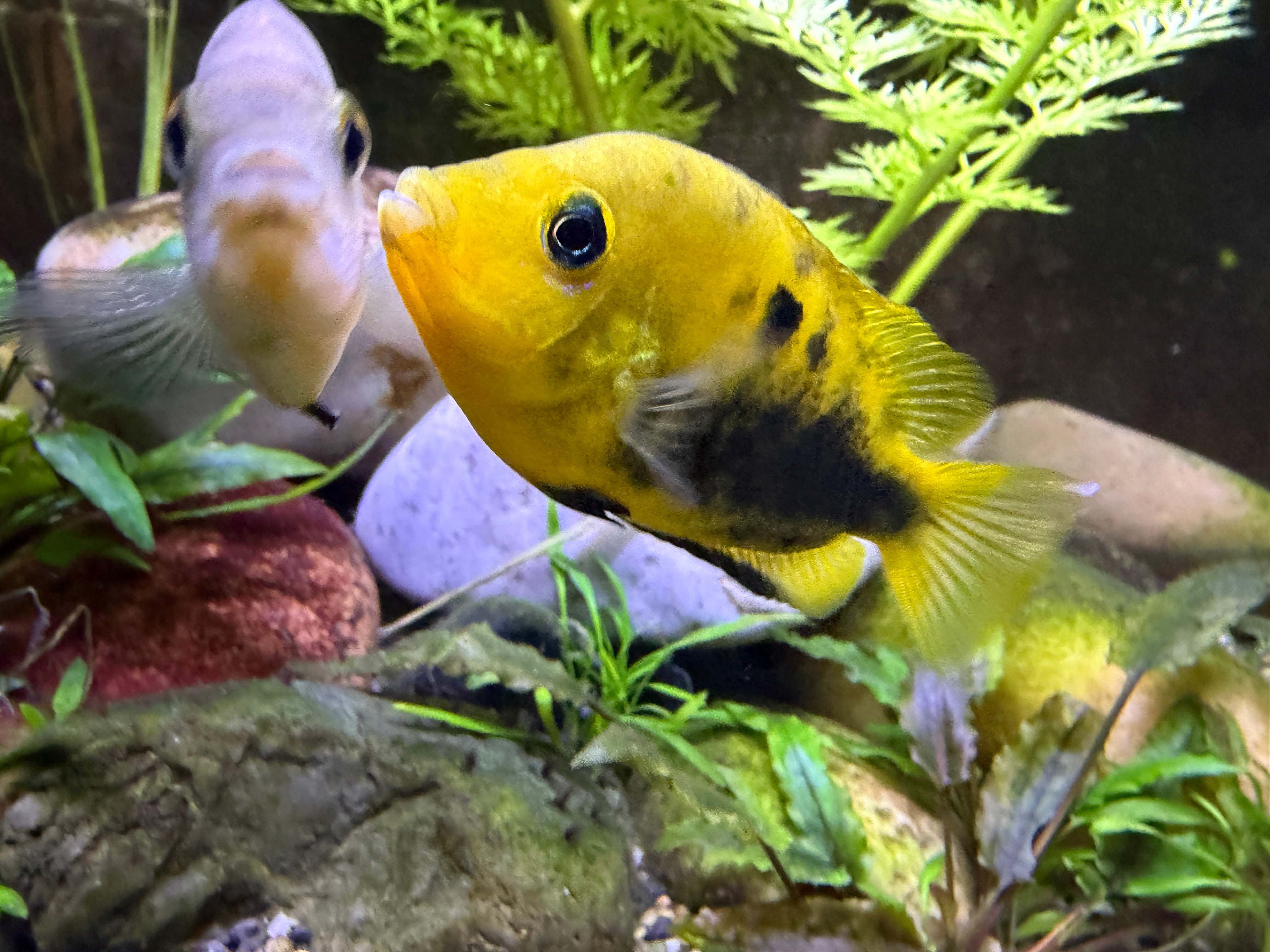
Native to large tropical river systems in West Africa, the zebra tilapia can grow up to approximately 31 centimeters in length. Its body is typically yellow or pale in colour with distinct black vertical stripes, which may fade as it matures. A hardy freshwater species with a generally mild temperament, it has been widely introduced around the world for both aquaculture and ornamental purposes.

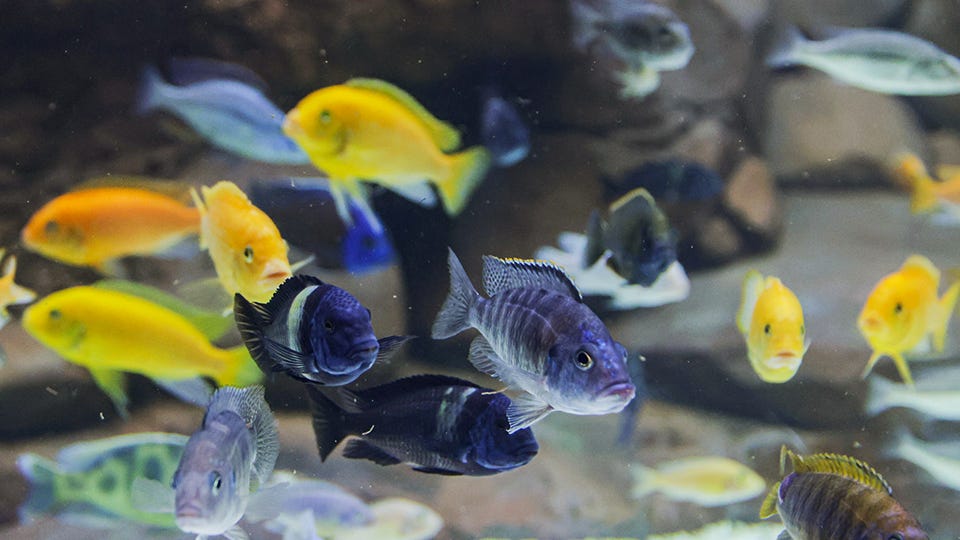
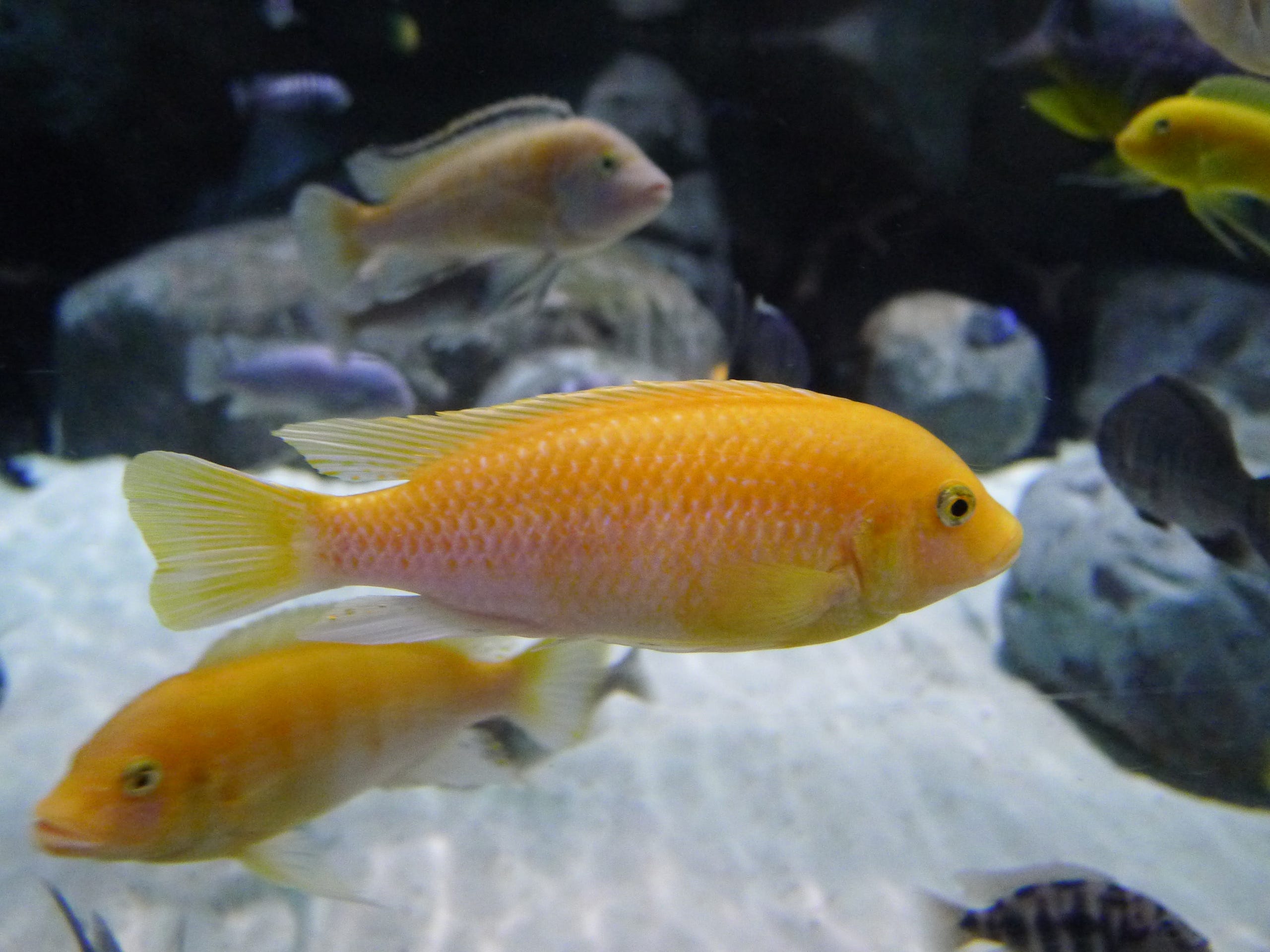
African Cichlids

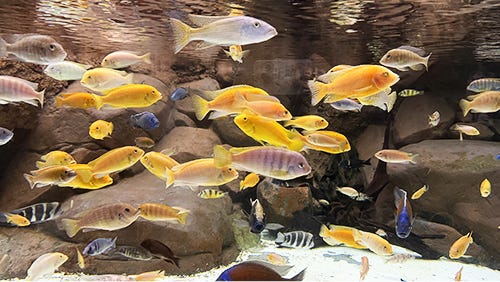
Cichlids are found in both Africa and South America, with the most iconic species originating from the East African Rift Valley lakes. Known for their vibrant colours, diverse body forms, and complex behaviours, many species closely resemble marine fish in appearance. Their adaptability and striking visual appeal have made them highly popular among aquarium enthusiasts worldwide.
African Cichlids
African Cichlids

African Lungfish

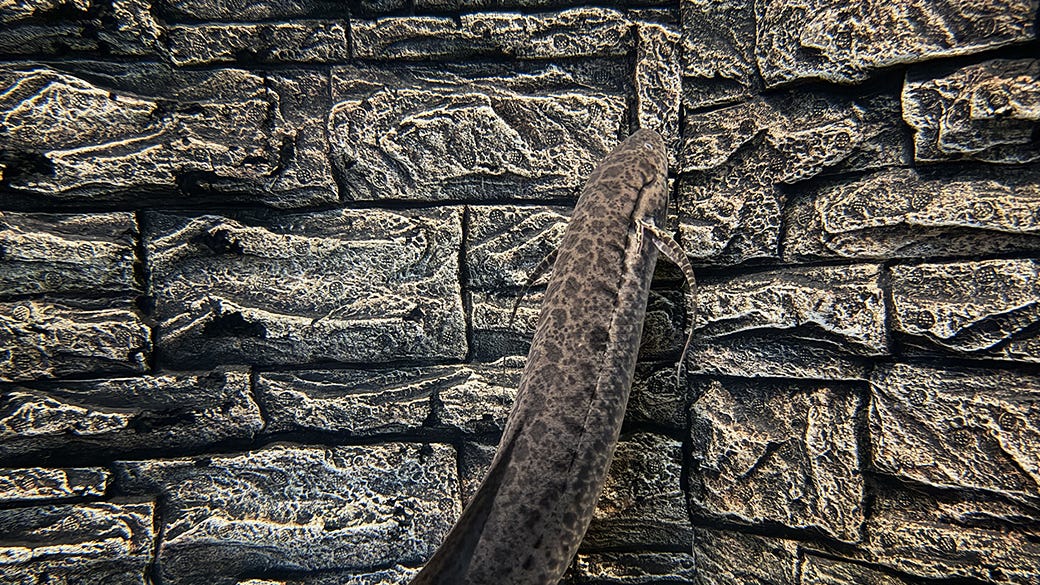
The African lungfish can grow up to 1 meter in length and weigh around 4 kilograms. It typically has an olive or brown body marked with darker spots. A bottom-dwelling species, it is capable of breathing air using lung-like organs. During dry seasons, it can burrow into mud and enter a state of aestivation to survive harsh conditions. It feeds on molluscs, crustaceans, and small fish, with males playing an active role in guarding nests and eggs.
African Lungfish
Pig-nosed Turtle

Pig-nosed Turtle

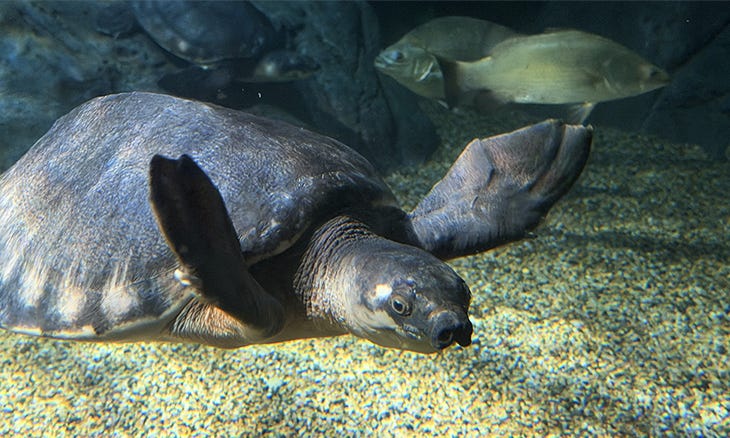
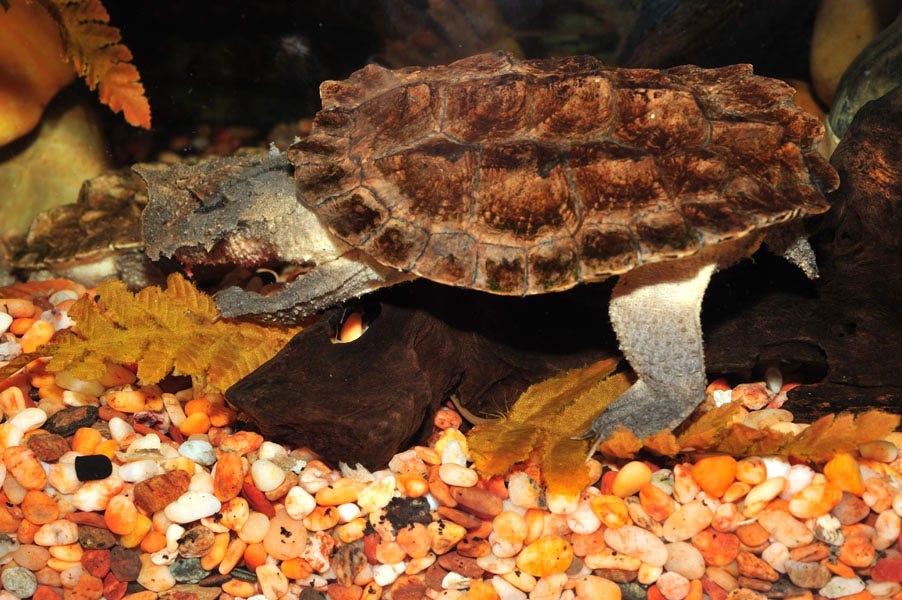
Also known as the two-clawed turtle or Fly River turtle, this is the only living species in its genus. It can grow up to 70 centimeters in length and is easily recognized by its grey to olive shell, cream-coloured underside, flipper-like limbs, and distinctive pig-like snout. Fully aquatic and omnivorous, it feeds on both plant matter and small animals. Females lay their eggs on sandy riverbanks.
Pig-nosed Turtle

Largetooth Sawfish
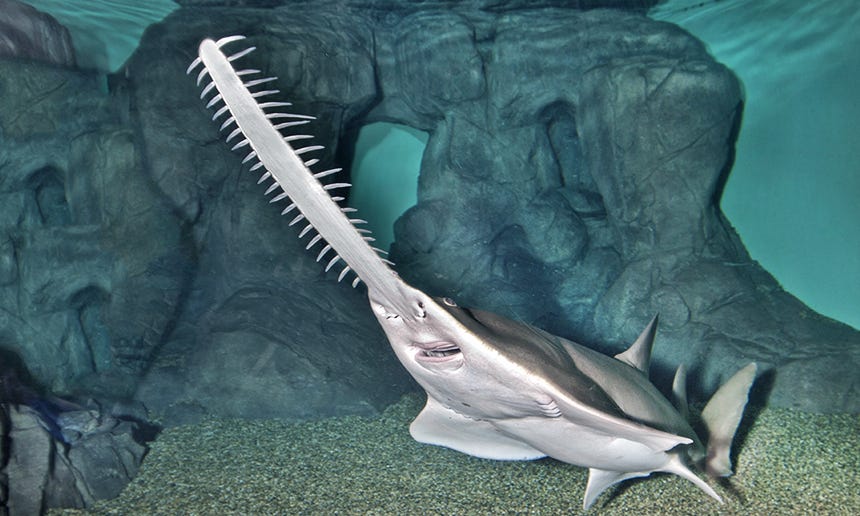
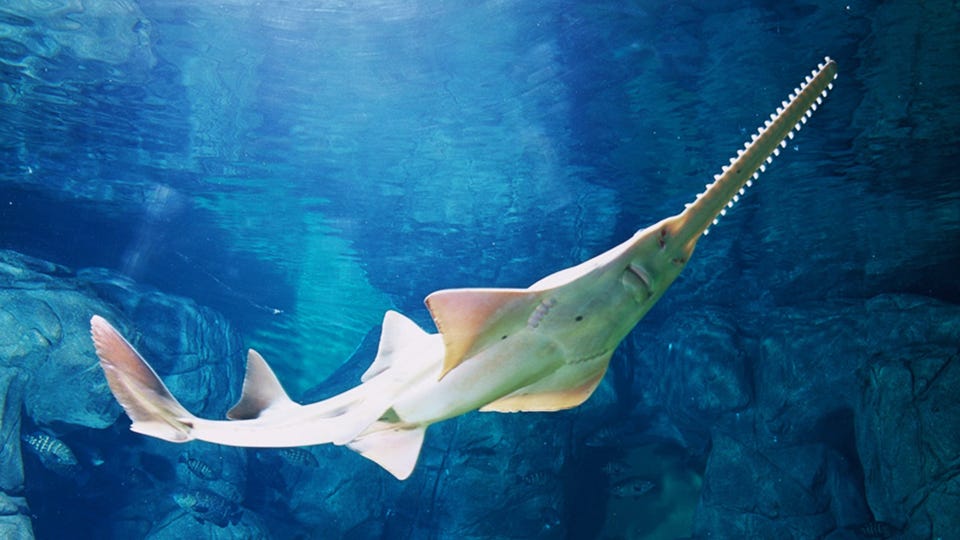
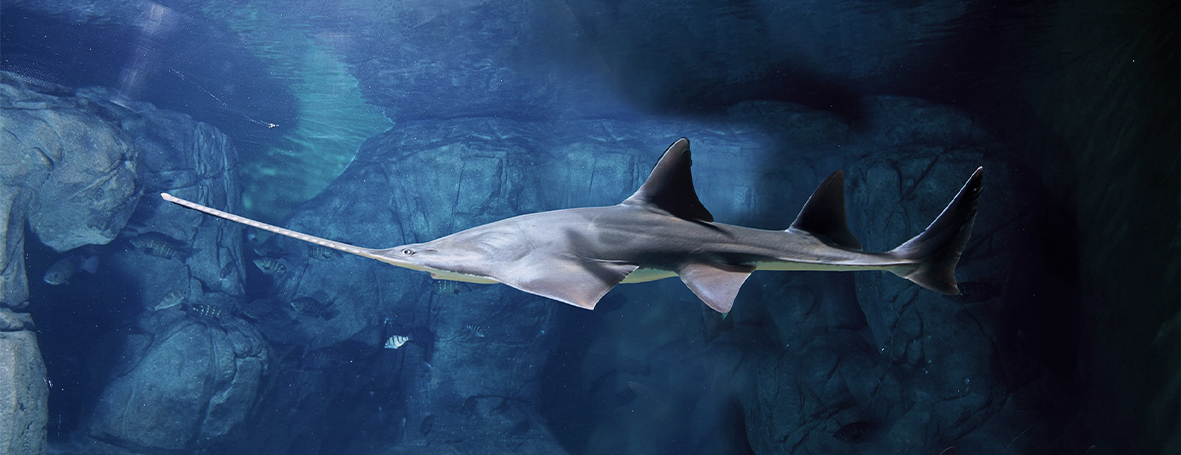
The largetooth sawfish is a large ray distinguished by its long, flattened rostrum edged with sharp teeth. It inhabits tropical and subtropical coastal waters, estuaries, as well as freshwater rivers and lakes. Feeding on fish and invertebrates, it uses its saw-like snout to detect and stun prey. This species is ovoviviparous, slow-growing, and all sawfish species are now critically endangered due to overfishing and habitat loss.
Largetooth Sawfish
  • Rainbowfish
  • Rainbowfish

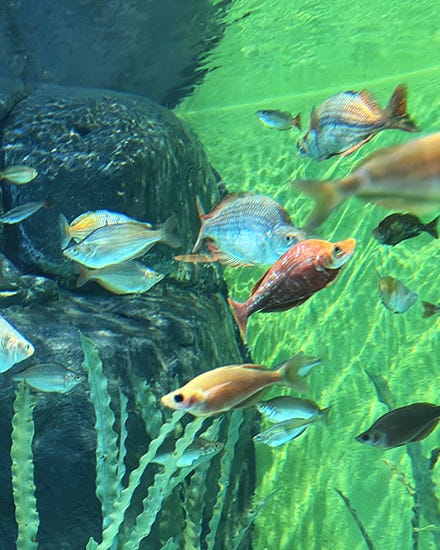
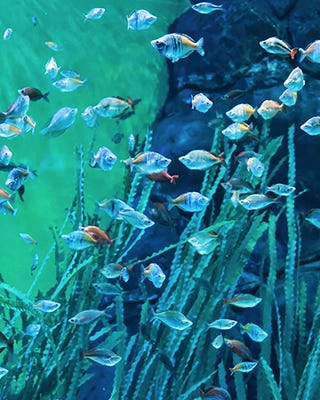
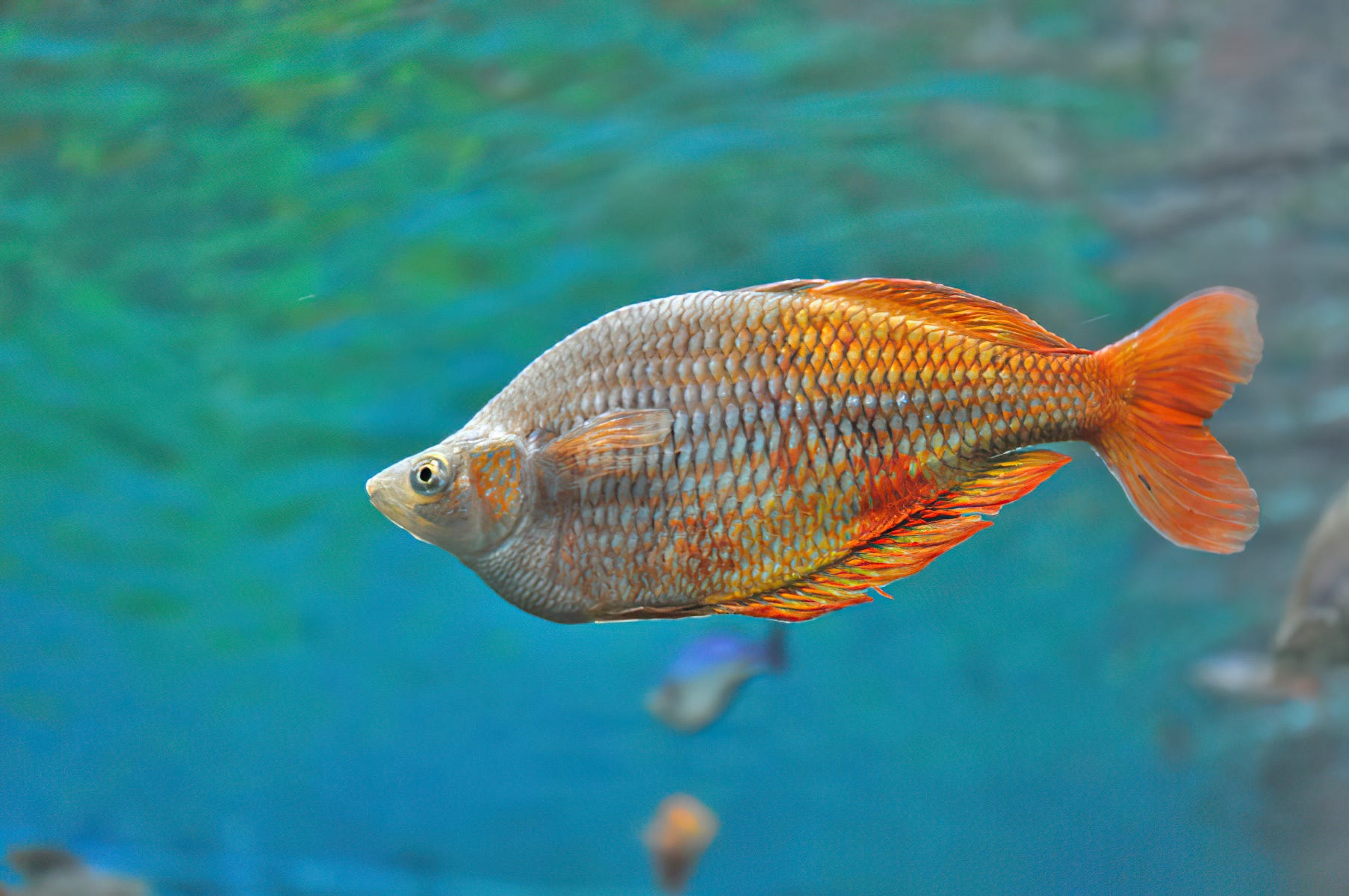
Rainbowfish

Belonging to the family Melanotaeniidae, rainbowfish are small freshwater species native to northern Australia, New Guinea, Sulawesi, and Madagascar. They are known for their vibrant coloration, with males displaying especially bright hues. Most species grow to under 12 centimeters. They inhabit rivers, lakes, and swamps, feeding on small crustaceans, insect larvae, and algae, and are widely kept as ornamental fish.
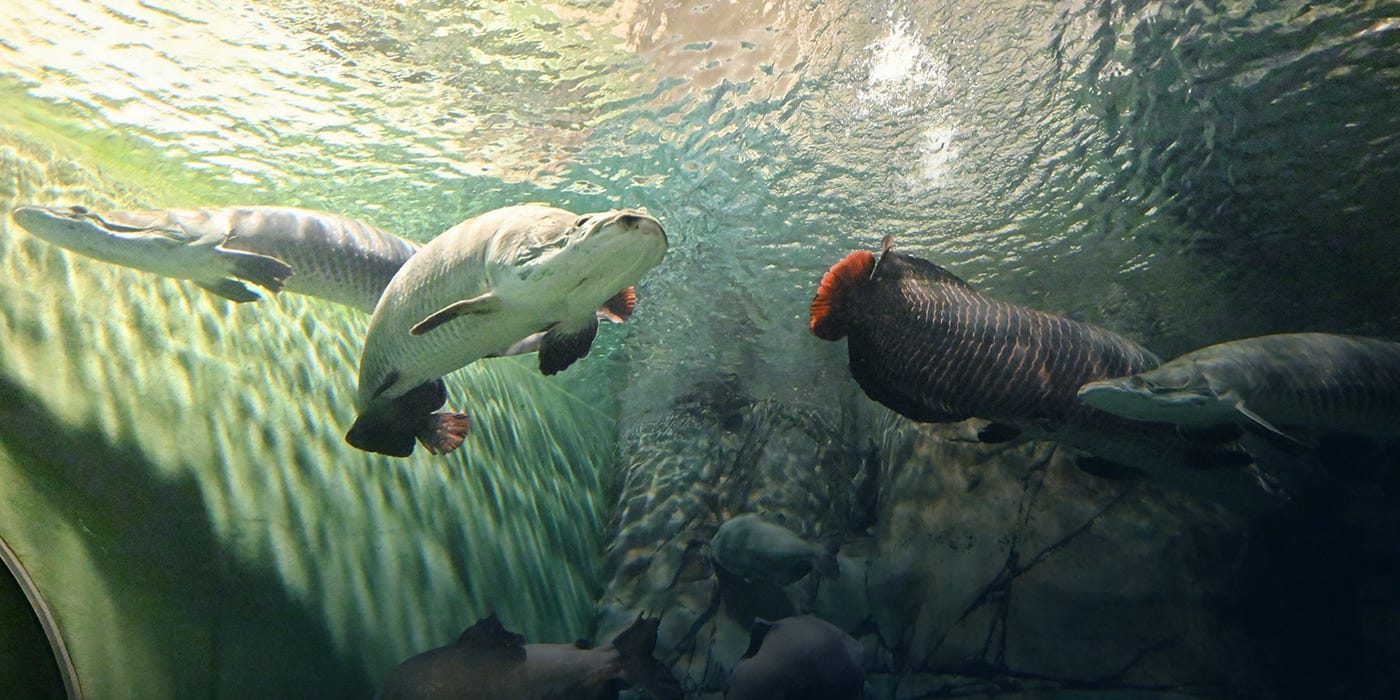
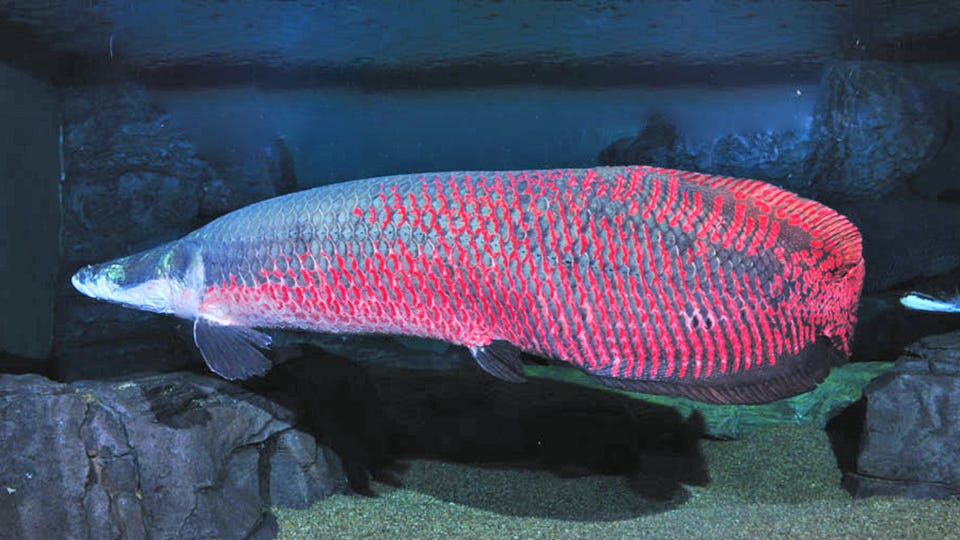
Arapaima

Arapaima

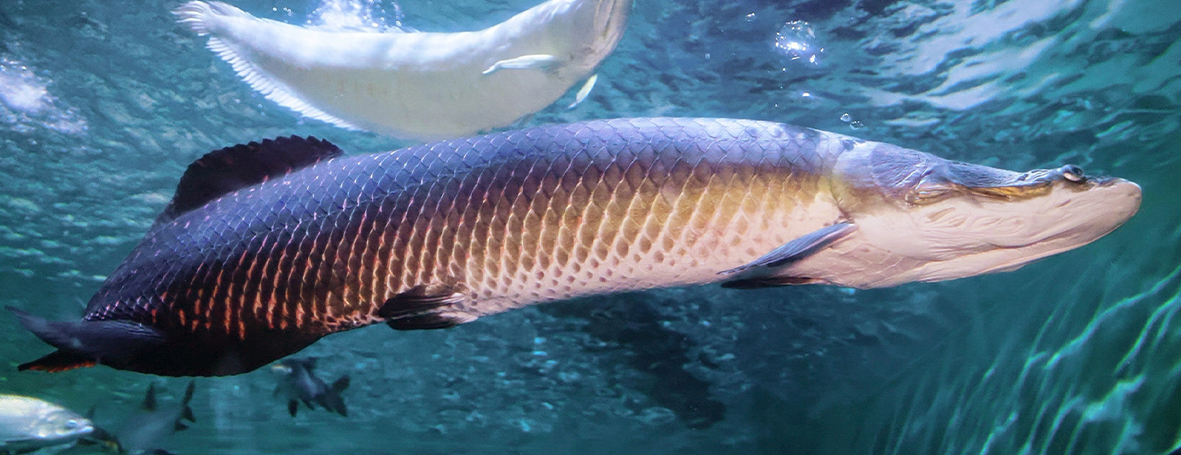
Also known as pirarucu, the arapaima is one of the largest scaled freshwater fish in the world, reaching lengths of over 2.5 meters. Its body is grey-green with distinctive red markings along the tail. It breathes air using a highly vascularized swim bladder and regularly surfaces to take in oxygen. Found in shallow lakes and river channels, it is a powerful predator and is often regarded as a “living fossil,” making it significant for scientific study.

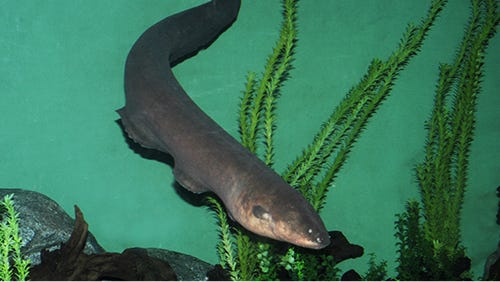
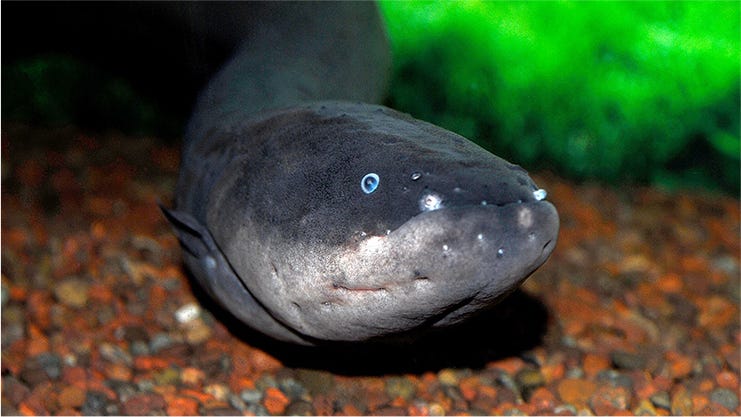
Electric Eel

The electric eel is a freshwater fish that can grow up to 2.5 meters in length. Despite its name, it is not a true eel but is more closely related to catfish. It primarily feeds on small fish and can generate electric discharges of up to 600–800 volts for hunting, defence, and navigation. Specialized fat and tissue structures insulate its body, protecting it from its own electric shocks.
Electric Eel
Electric Eel

South American Lungfish
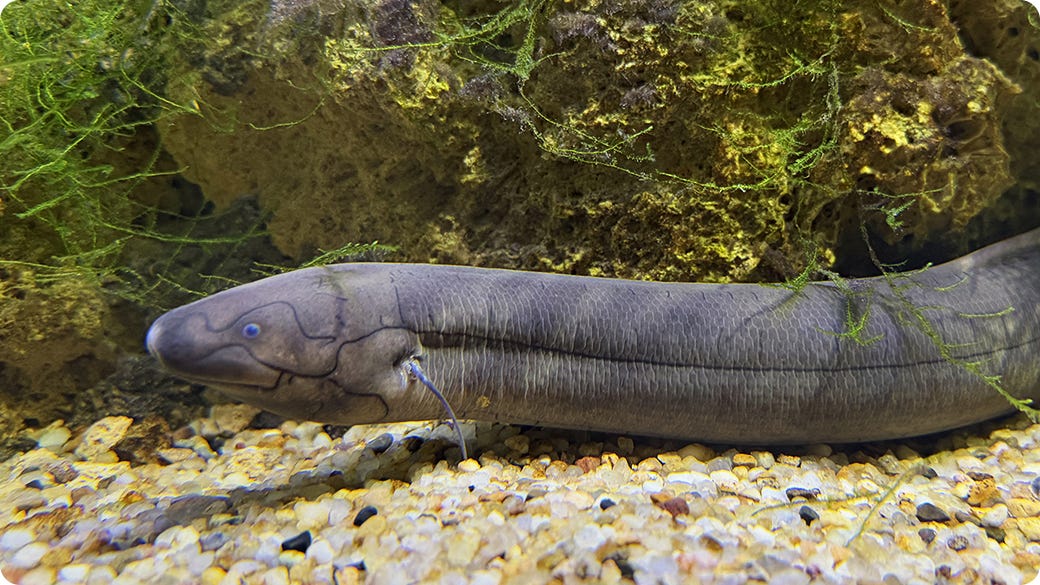
Native to the Amazon, Paraguay, and lower Paraná River basins, the South American lungfish can grow up to 1.25 meters in length. It is a fully air-breathing fish, relying on lung-like organs for respiration. Adults feed on aquatic invertebrates, algae, and small crustaceans. During dry seasons, it burrows into the mud and enters a dormant state to survive until water conditions improve.
South American Lungfish
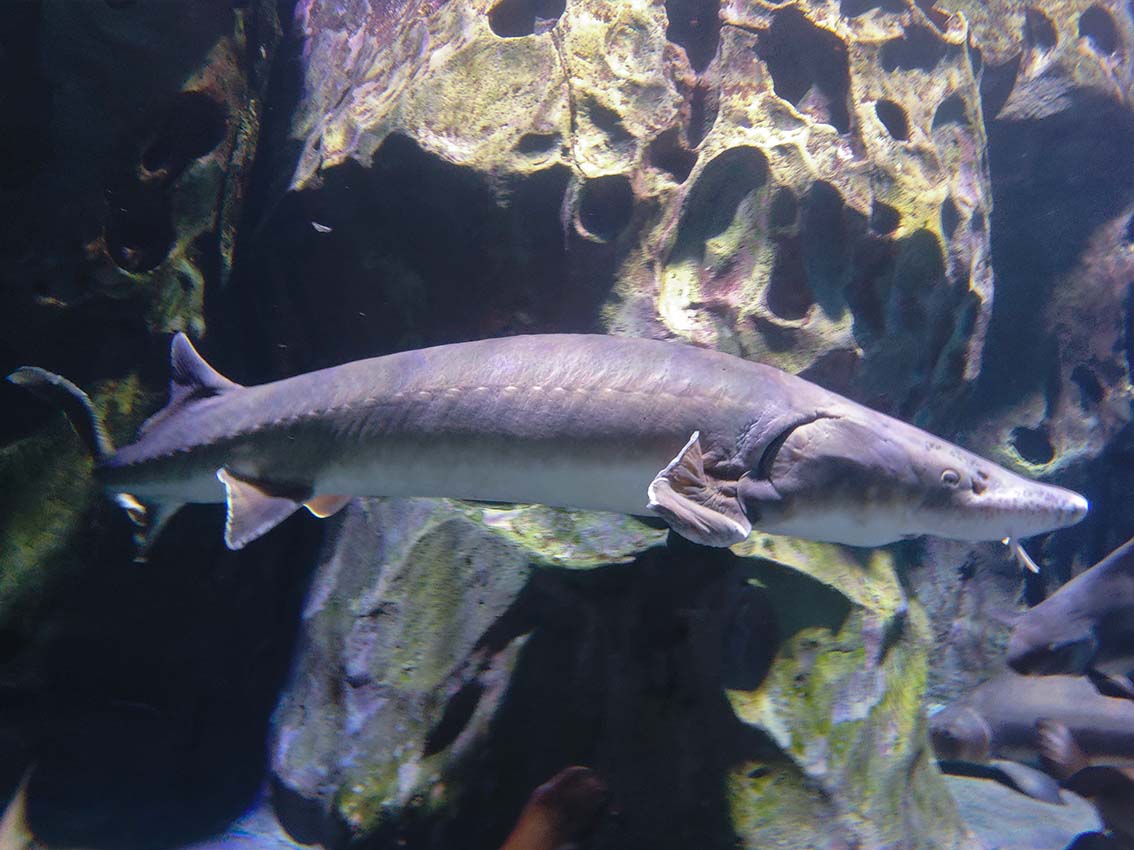
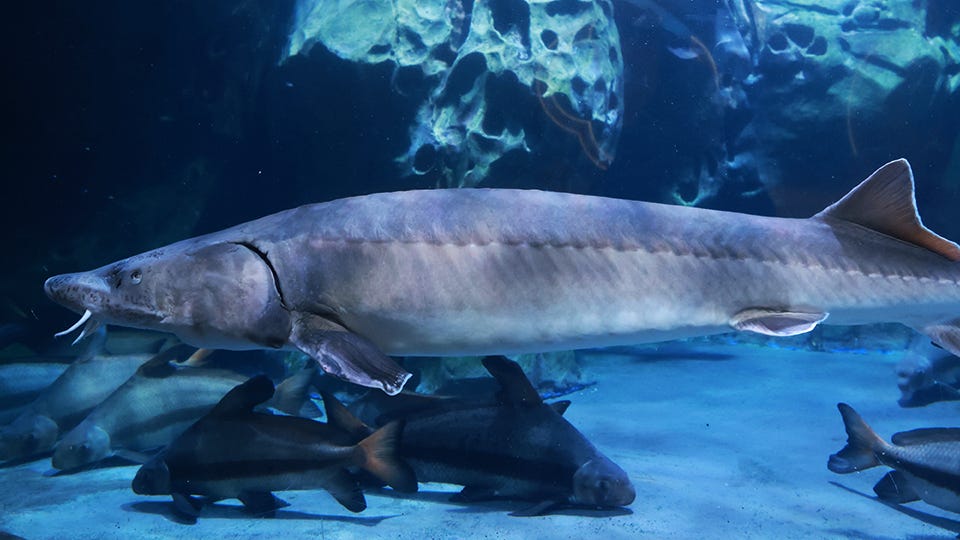
Chinese Sturgeon
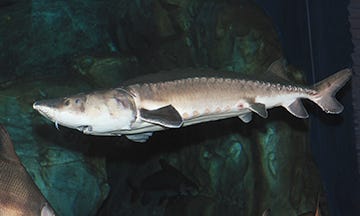
Chinese Sturgeon

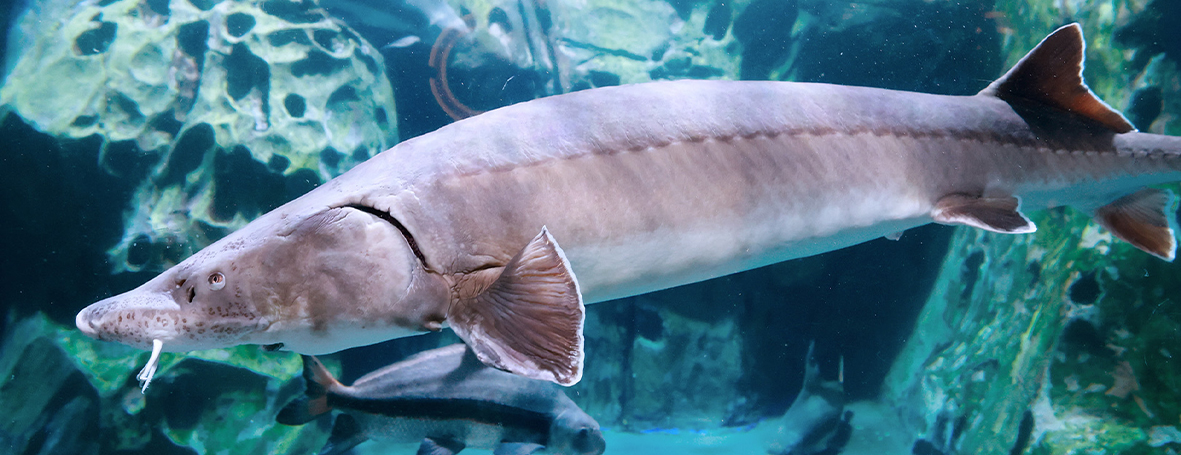
The Chinese sturgeon is a bony fish endemic to the Yangtze River. It can grow up to 5 meters in length and weigh up to 600 kg. A bottom-dwelling carnivorous species, it migrates upstream during summer and autumn to spawn. With a lifespan of up to 40 years, it is often referred to as the “Giant Panda of the Water.” It is listed as a Class I nationally protected species and is widely regarded as a true “living fossil.”
Chinese Sturgeon

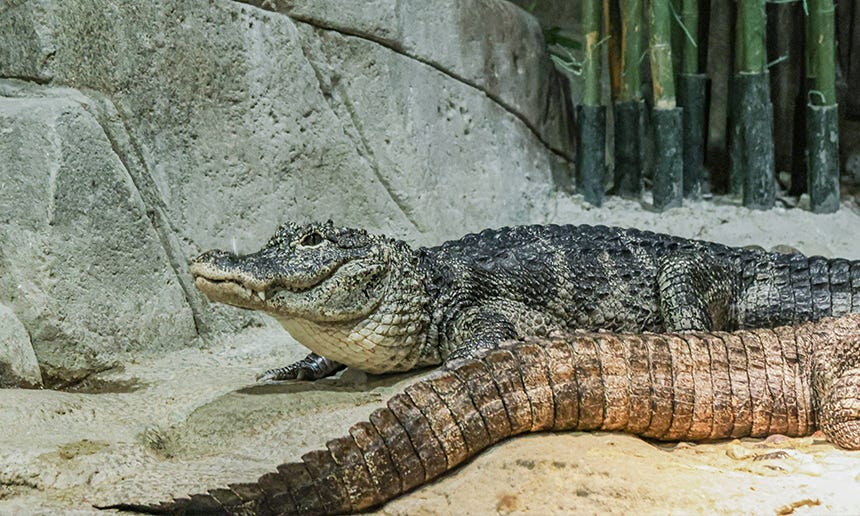
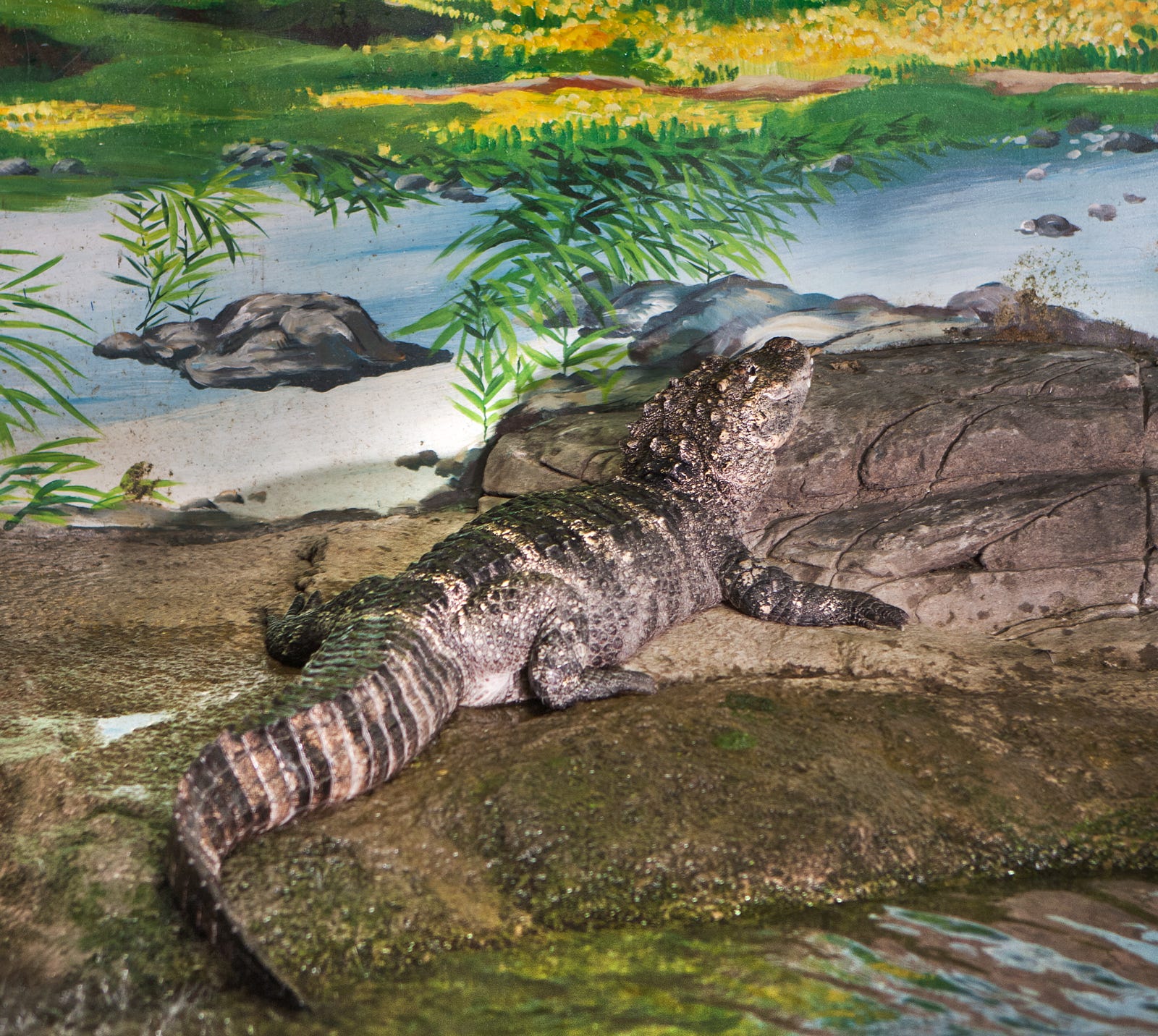
Yangtze Alligator
Also known as the Chinese alligator, this freshwater crocodilian is endemic to China. It grows to about 1.5 meters in length and can weigh up to 36 kg. Mild in temperament and capable of hibernation, it is mainly found in the middle and lower reaches of the Yangtze River and the Taihu Lake region. It is classified as a Class I protected species and is critically endangered.
Yangtze Alligator
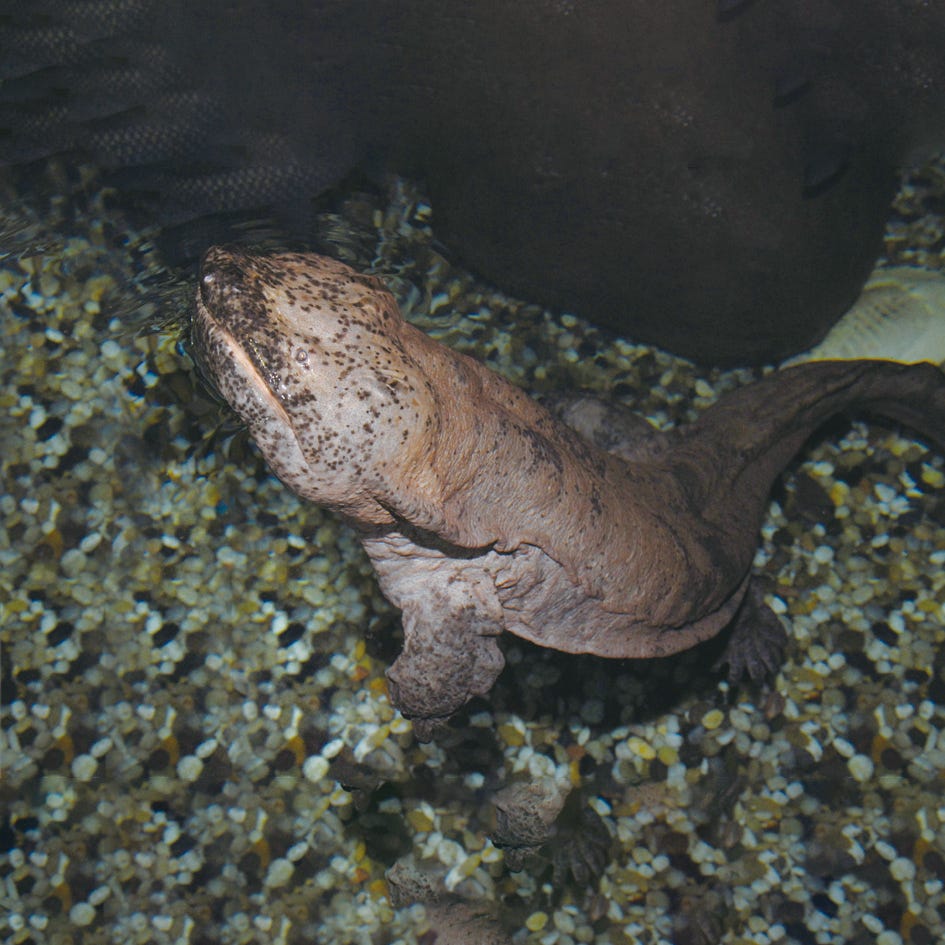
  • Chinese Giant Salamander
  • Chinese Giant Salamander

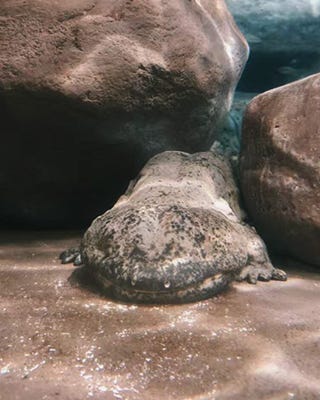
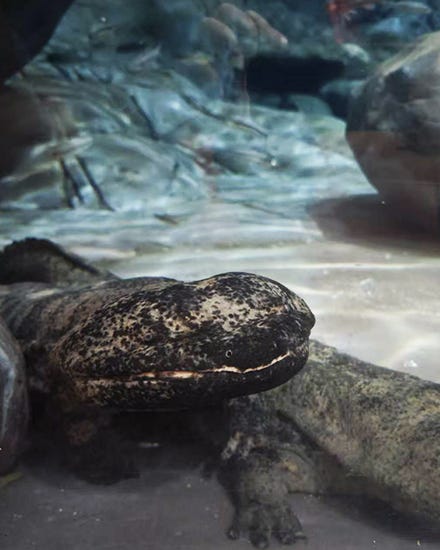
Chinese Giant Salamander
The Chinese giant salamander, belonging to the family Cryptobranchidae, is the largest living amphibian, reaching lengths of 60–180 centimeters. It inhabits mountain streams in the upper and middle reaches of the Yangtze, Yellow, and Pearl Rivers. Due to overexploitation and environmental changes, it has become endangered and is listed as a Class II nationally protected species.
Highlights
中国区-精彩瞬间1.jpg
中国区-精彩瞬间-扬子鳄.jpg
中国区-精彩瞬间-大鲵.jpg
南美洲区-精彩瞬间1.jpg
南美洲区-精彩瞬间2.jpg
南美洲区-精彩瞬间3.jpg
澳大利亚区-精彩瞬间1.jpg
澳大利亚区-精彩瞬间-射水鱼.jpg
澳大利亚区-精彩瞬间2.jpg
非洲区-精彩瞬间1.jpg
非洲区-精彩瞬间2.jpg
非洲区-精彩瞬间3.jpg
东南亚区-精彩瞬间-龙鱼.jpg
东南亚区-精彩瞬间.jpg
东南亚精彩瞬间 (2).jpg
冷水精彩1.jpg
冷水精彩2.jpg
冷水精彩3.jpg
冷水精彩4.jpg
企鹅图片.jpg
企鹅瞬间1.jpg
企鹅瞬间3.jpg
企鹅瞬间4.jpg
海岸区-精彩瞬间-海马.jpg
海岸区-精彩瞬间-水母.jpg
海岸区-精彩瞬间-海岸拟海龙.jpg
深海区-精彩瞬间-鹰鲼缸参观场景.jpg
深海区-精彩瞬间-银色旋风喂食.jpg
海岸瞬间shs.jpg
精彩瞬间-弹涂.jpg
精彩瞬间-叉尾斗鱼.jpg
精彩瞬间-DSC_7243.jpg