Introduction
Special exhibitions are presented year-round offering focused insights into specific themes and species.
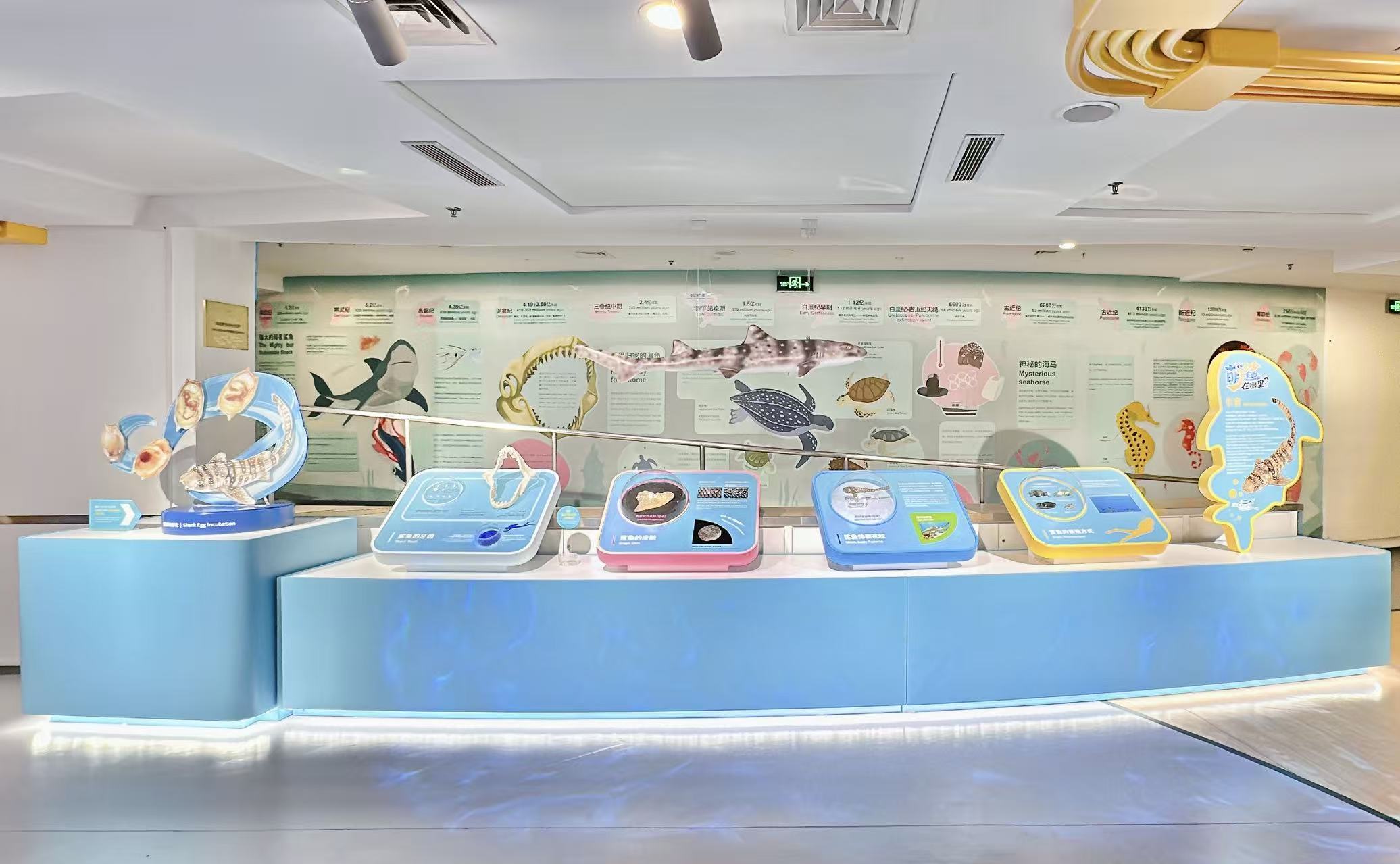
Humans were once merely a part of the natural food chain, but through technological advancement and large-scale organization, have become dominant apex predators. Today, marine biologists warn that sharks—once the ocean’s top predators—may be among the first marine species pushed toward endangerment due to human activities.
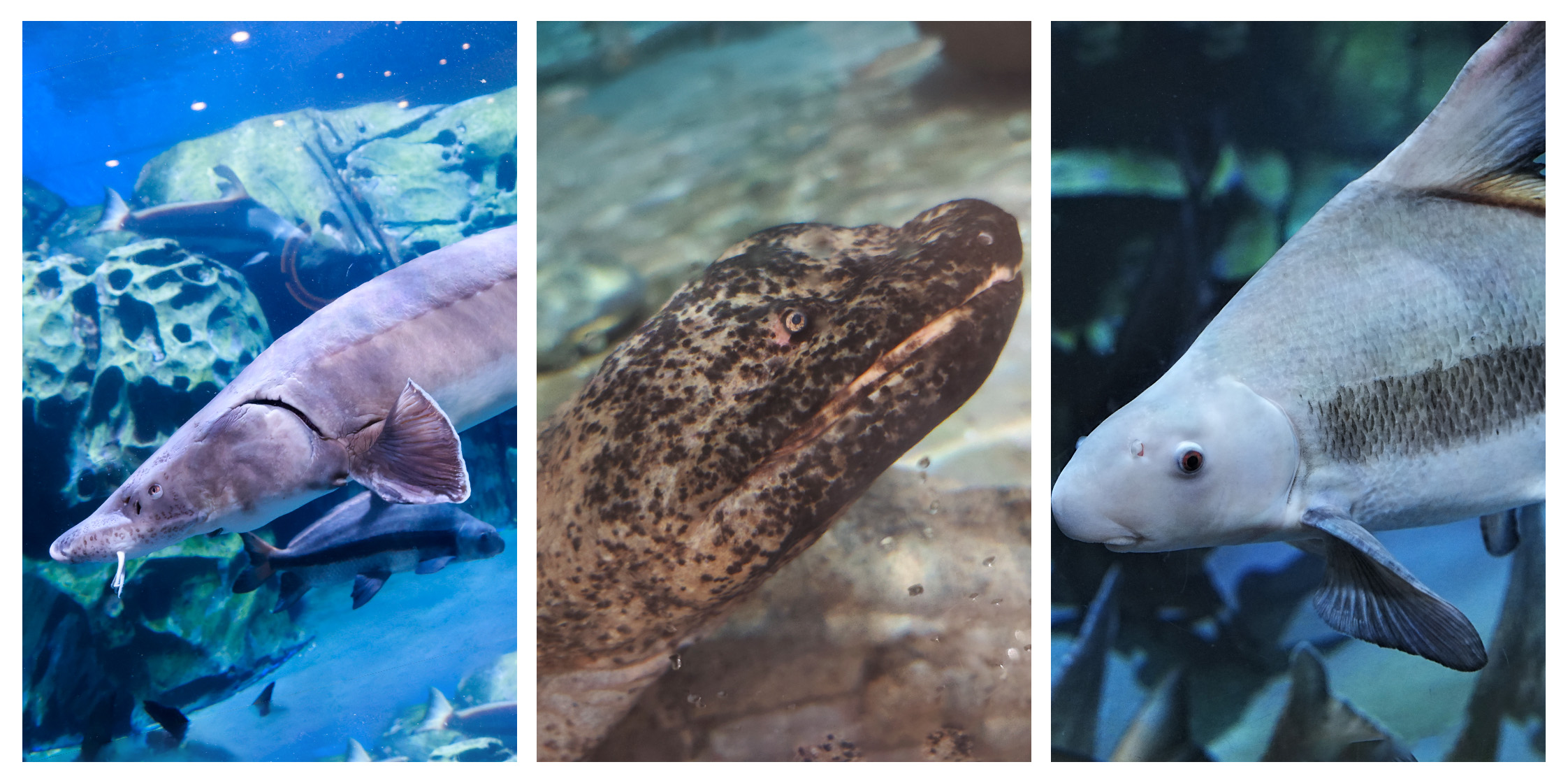
The Yangtze River, China’s longest river, is not only a vital lifeline for human civilization but also a cradle of biodiversity. Its basin supports more than half of China’s aquatic species, including over 300 species of fish.
Humans were once merely a part of the natural food chain, but through technological advancement and large-scale organization, have become dominant apex predators. Today, marine biologists warn that sharks—once the ocean’s top predators—may be among the first marine species pushed toward endangerment due to human activities.
The Yangtze River, China’s longest river, is not only a vital lifeline for human civilization but also a cradle of biodiversity. Its basin supports more than half of China’s aquatic species, including over 300 species of fish.
The Yangtze is China's largest river; it serves not only as the "Mother River" to the Chinese people but also as a habitat and breeding ground for the life forms along its banks. Its basin is rich in biodiversity, harboring over half of China's total species—including more than 300 varieties of fish.
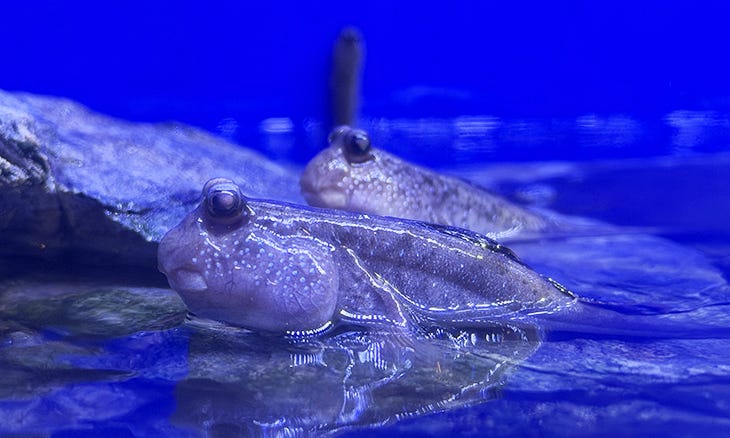
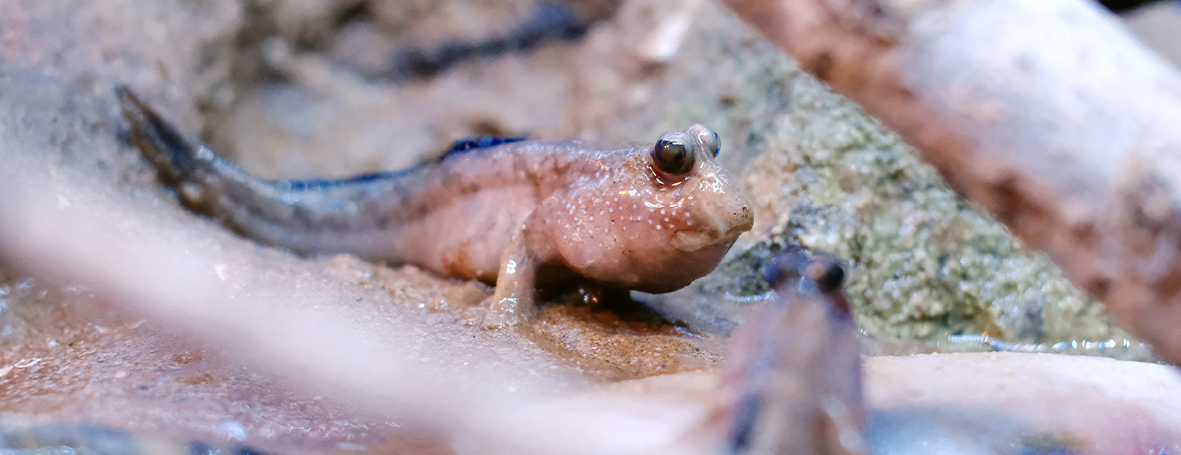
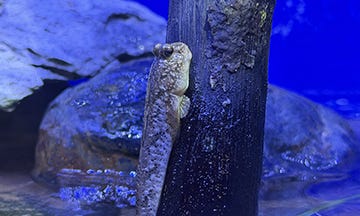
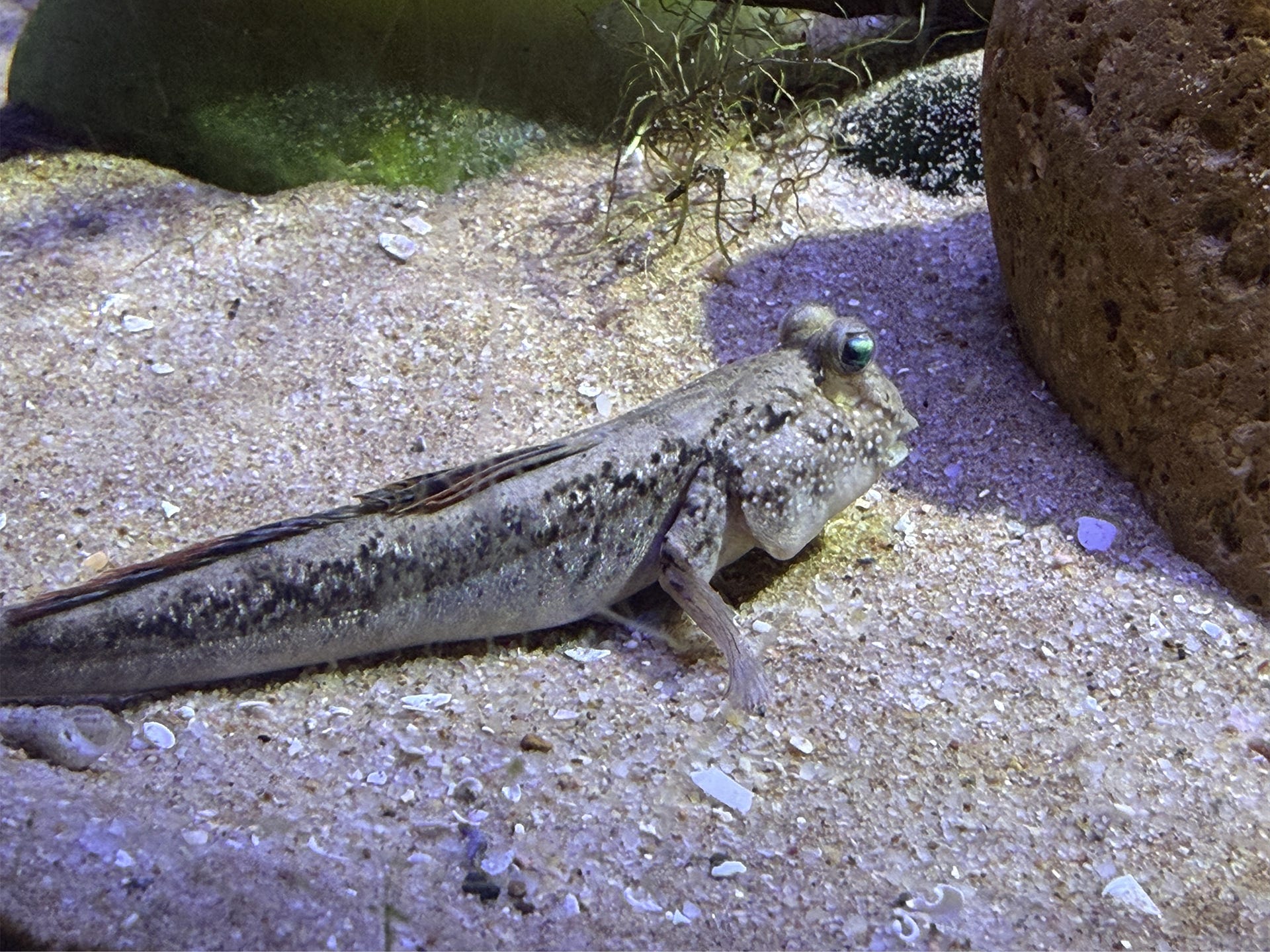
Mudskipper
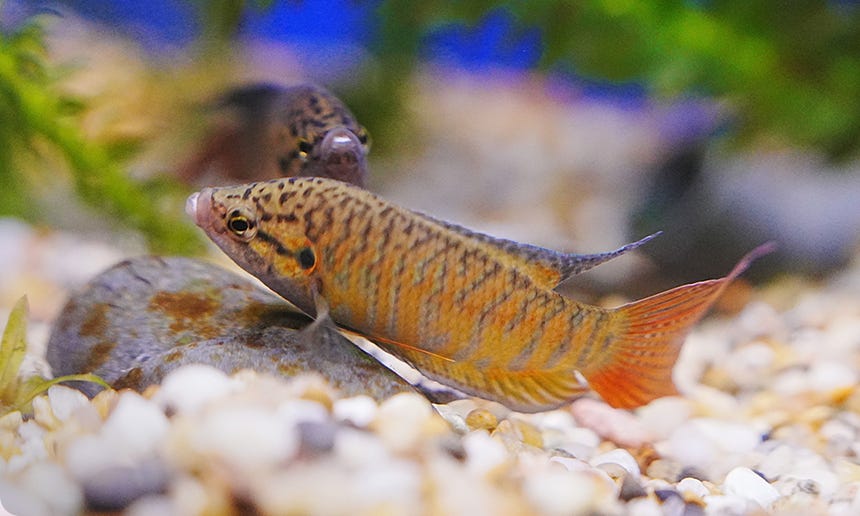
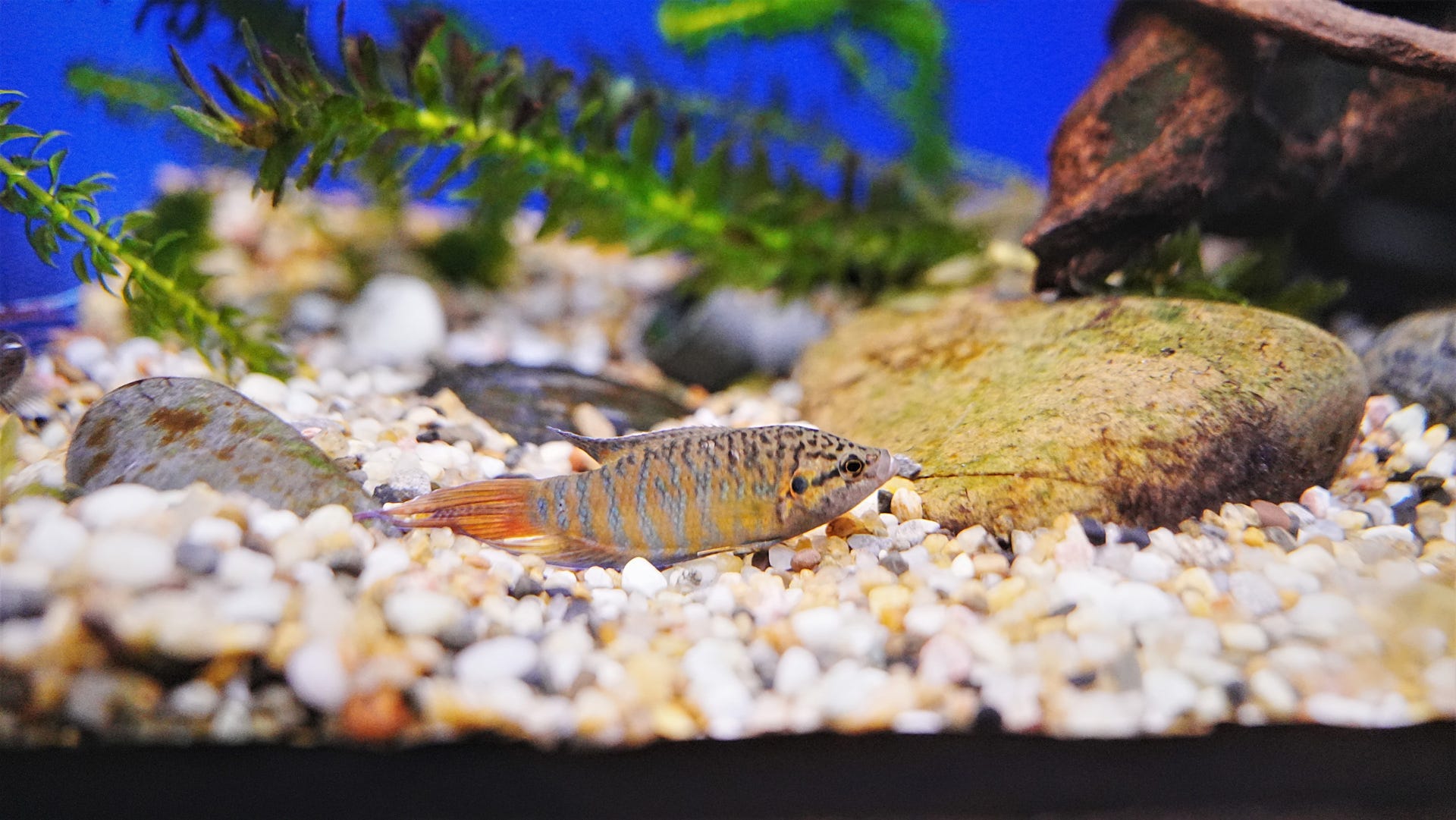
Paradise Fish
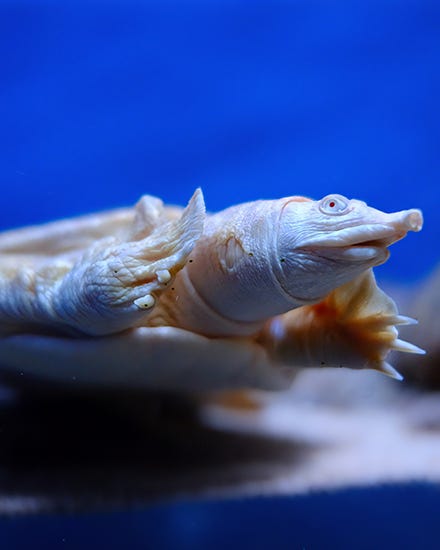
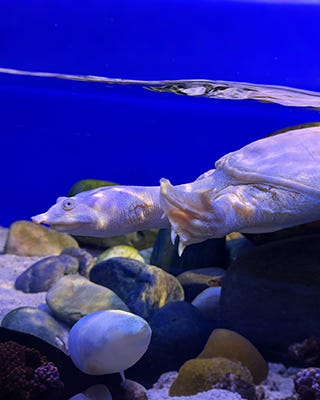
Chinese Softshell Turtle
The remarkable abilities of living organisms are the result of millions of years of evolution. This exhibition highlights the unique traits and survival strategies of aquatic species, drawing creative parallels with the principles of martial arts. Through this fusion of nature and culture, visitors can uncover the biomimetic inspirations behind movement, technique, and strategy. Step into this “aquatic martial arts arena,” observe the dynamic interactions of aquatic life, and experience both the wonders of nature and the spirit of martial arts.
The wondrous biological functions of living organisms are the culmination of millions of years of evolution. This exhibition distills the unique characteristics and survival skills of aquatic life, ingeniously blending them with the martial arts to reveal the natural biomimetic inspiration embedded within these fighting traditions. Come witness the "Aquatic Martial Arts Tournament," explore the mysteries of the natural world, and experience the captivating allure of the martial arts!
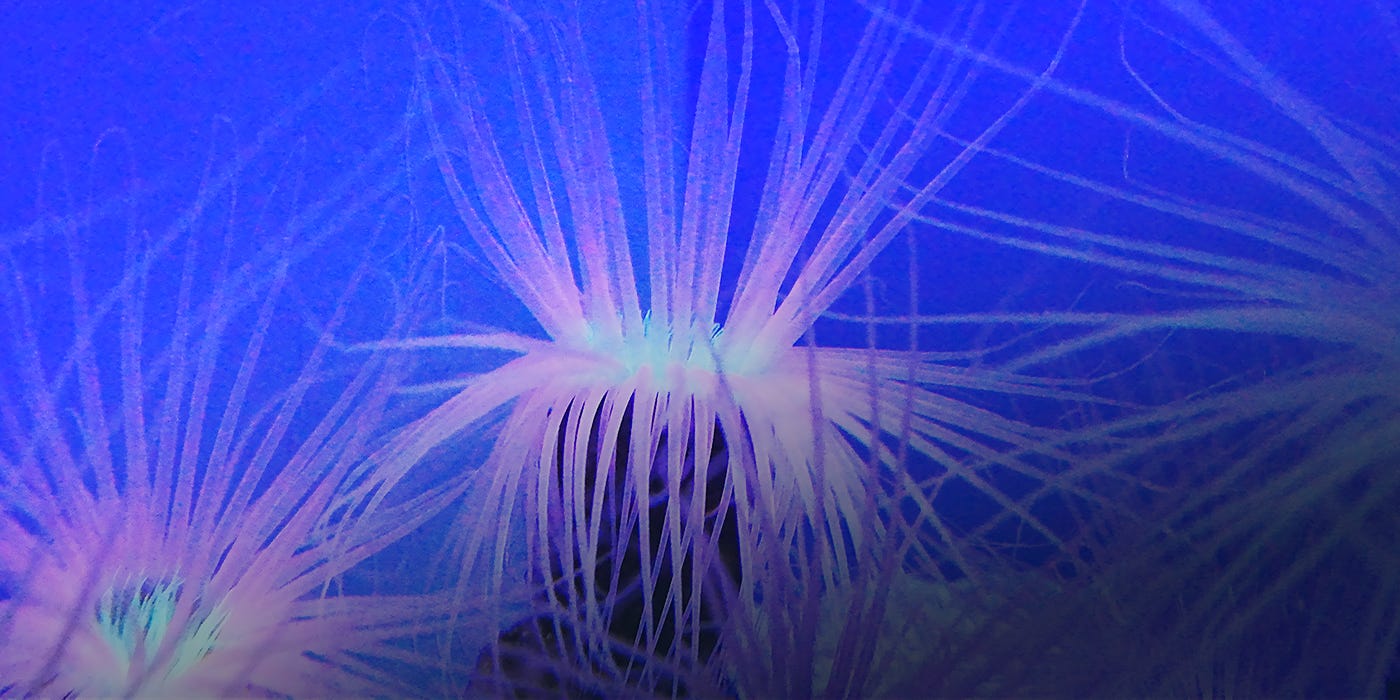
Sea Anemone
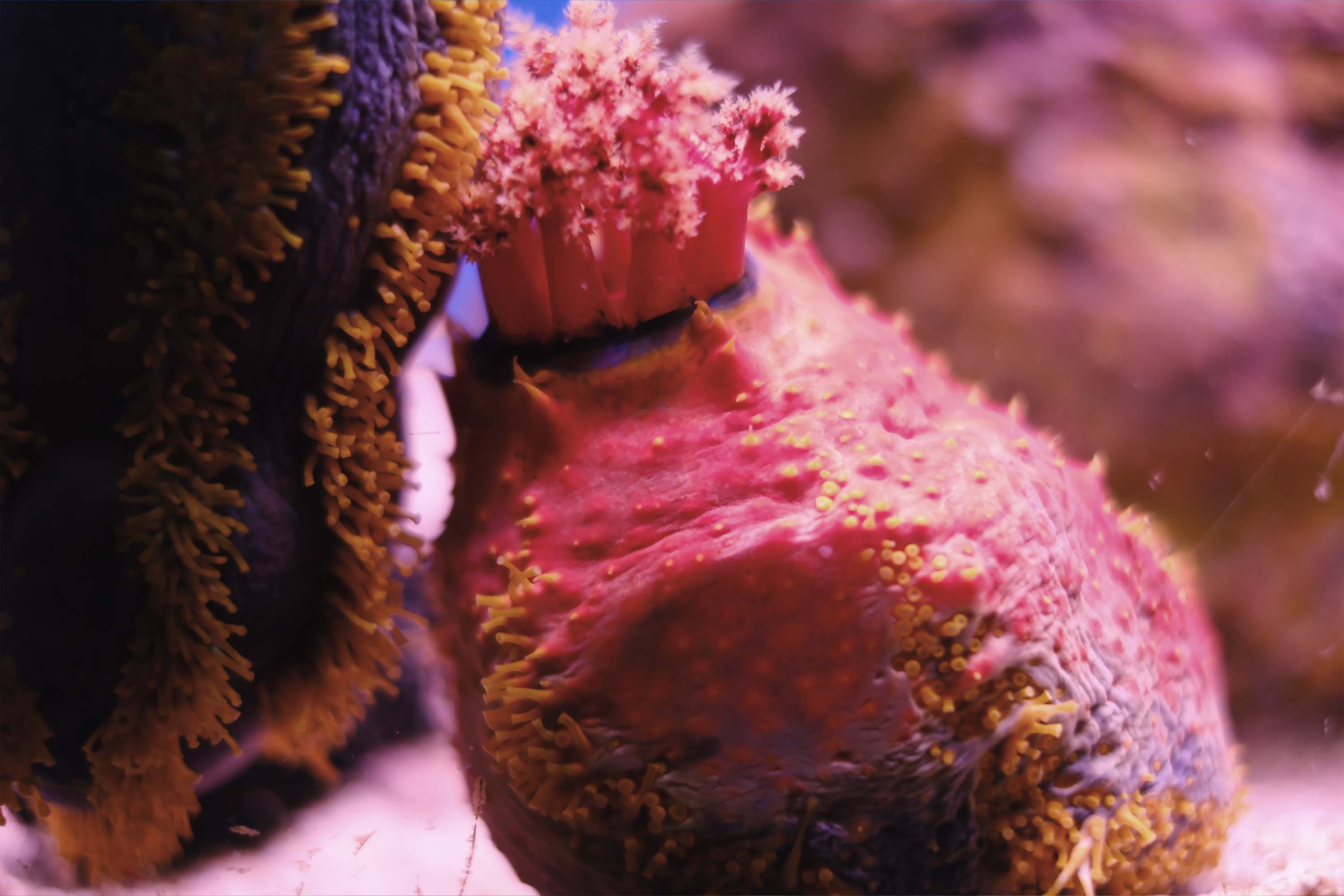
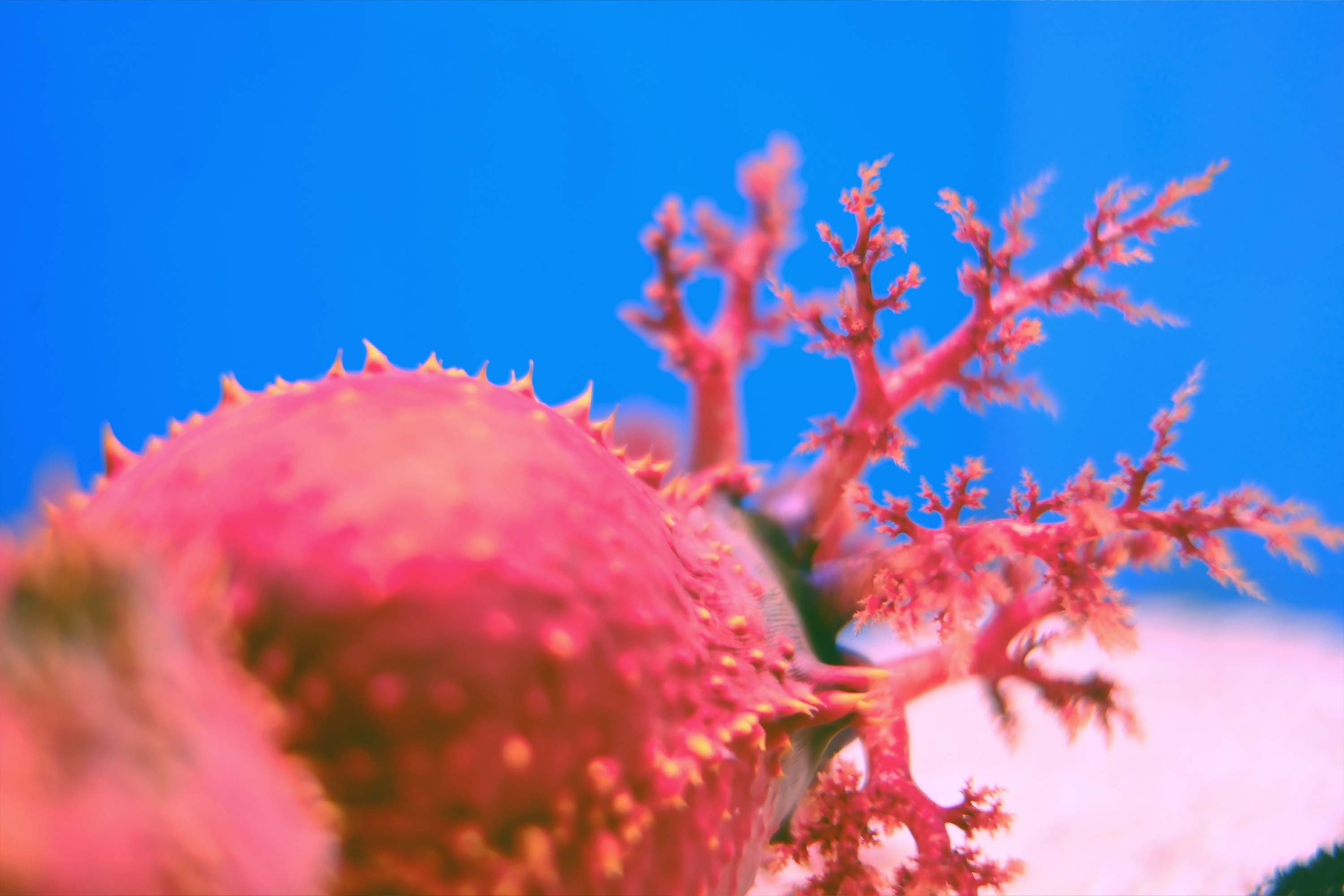
Sea Apple
Sea apples have numerous tentacles around their mouths and prominent tube feet all over their bodies, featuring yellow, pink or orange hues. They expel their internal organs to ward off enemies when in danger. Their tentacles catch plankton for food, and tube feet enable them to move. They will release toxic substances when startled or after death.
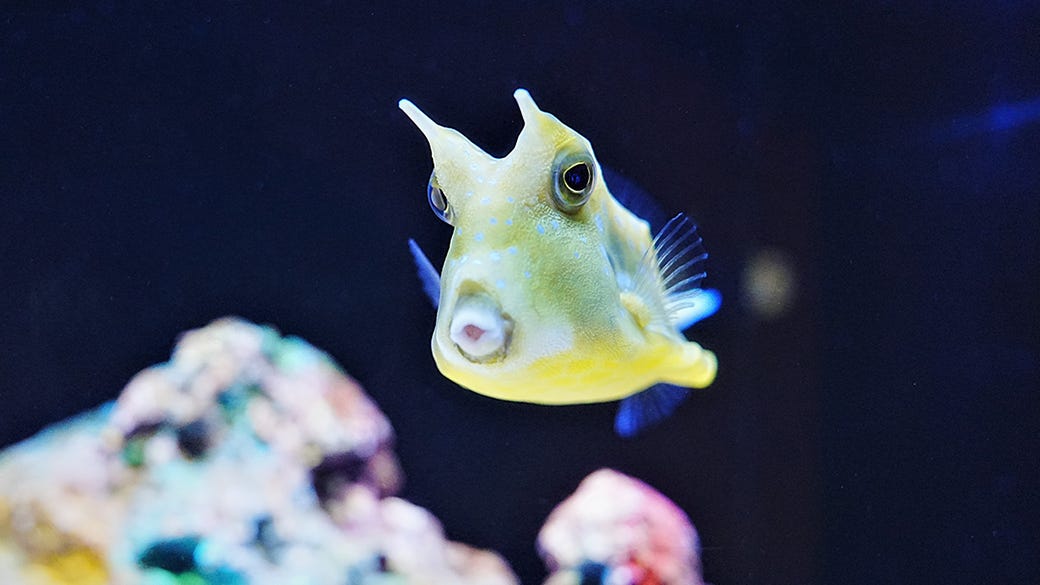
Longhorn Cowfish (Boxfish)
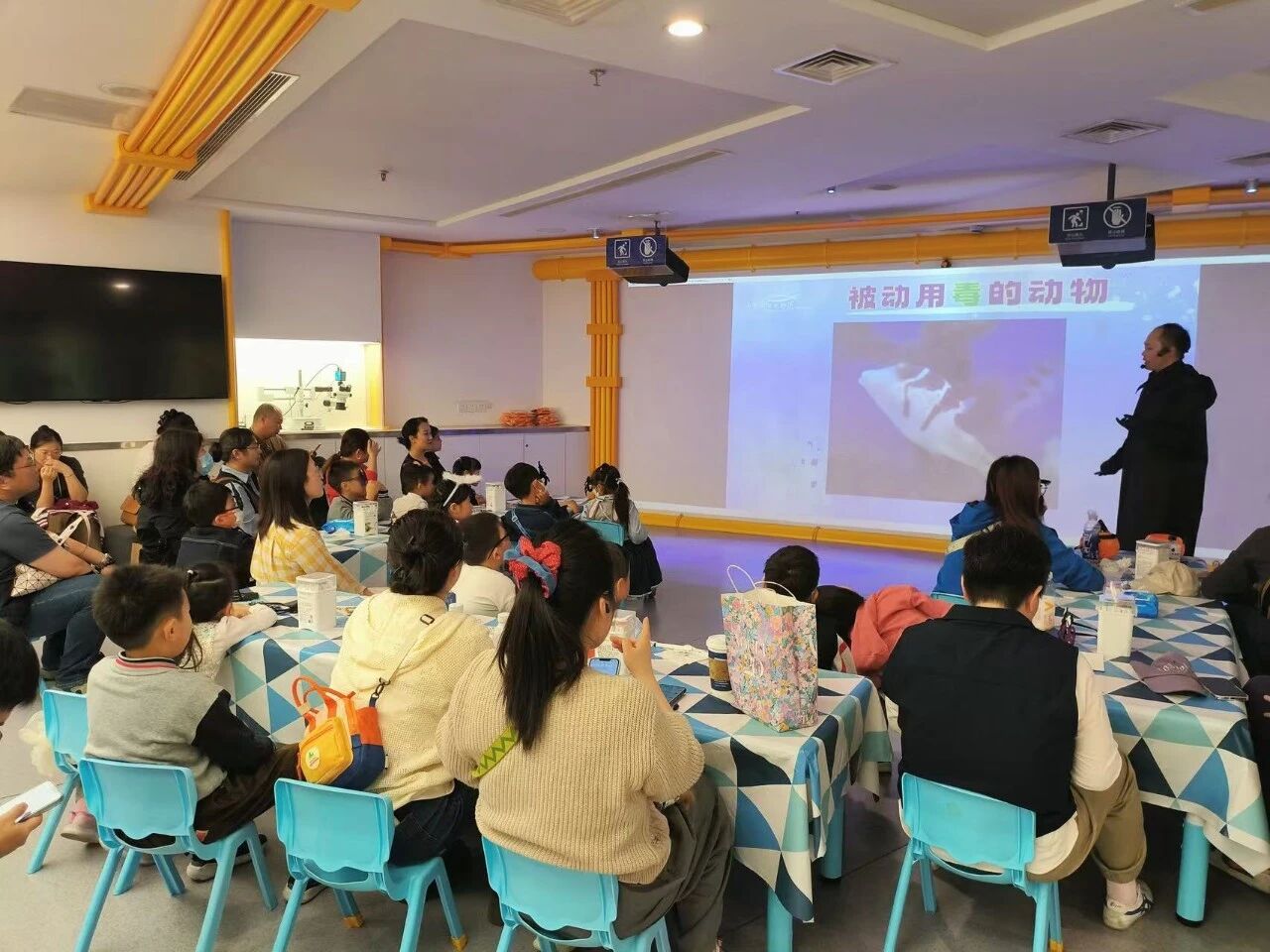
Recent Activities